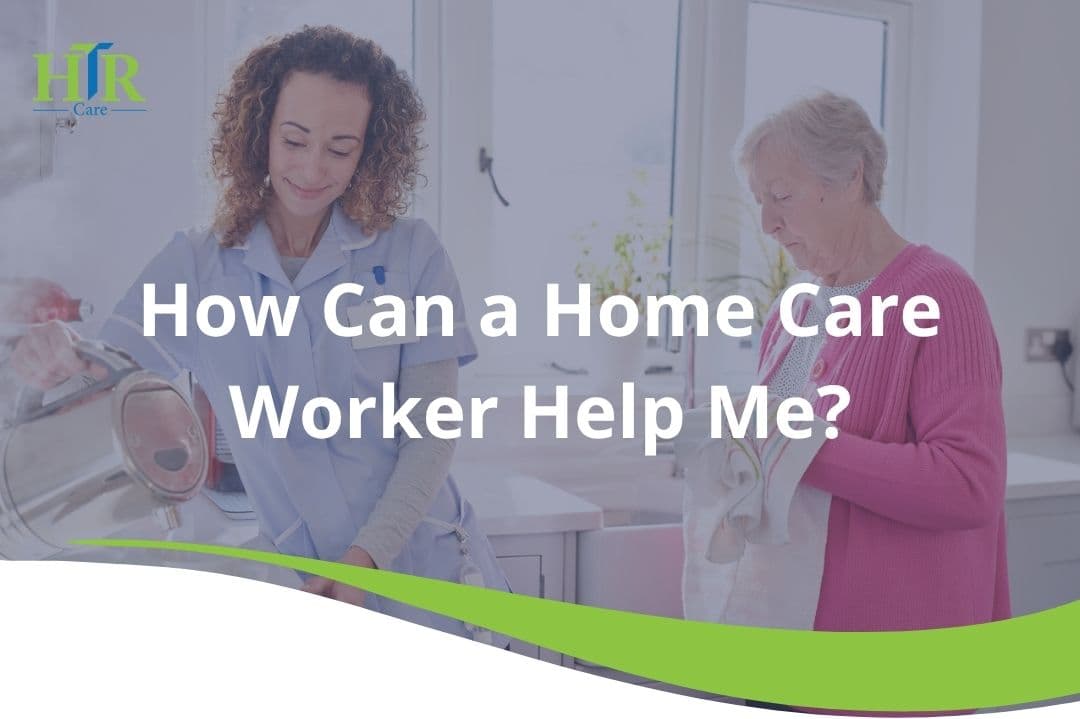

A practical guide to elderly care in London. Learn about home care options, funding, assessments, and how to choose trusted support for senior Adults.
Living in London offers access to world-class services, transport, and healthcare. Yet when an older family member begins to need support, finding the right elderly care in London can feel complex and emotionally demanding. Families often face difficult questions when exploring care delivered at home or other support options:
How much support is needed?
Can care be provided at home?
Who pays for care in London?
How do you know which provider to trust?
In 2026, elderly care in London is more flexible and personalised than ever before. This guide explains the care options available, how to access support, how funding works, and how to make safe, informed decisions for yourself or a loved one.
What Does Elderly Care in London Actually Include?
Elderly care in London refers to a broad range of services designed to help older adults live safely, comfortably, and with dignity. Care is no longer limited to residential homes. Many people now receive tailored support in their own homes and communities.
At its core, elderly care focuses on three goals:
Maintaining independence
Managing health and daily needs
Supporting emotional wellbeing and social connection
Services are adapted to the individual, rather than forcing people into one-size-fits-all solutions.
Types of Elderly Care Available in London
Elderly care in London includes a range of flexible support options designed to help older adults live safely, maintain independence, and receive the right level of care based on their health, lifestyle, and personal needs. From care delivered at home to specialist condition-led support, services can be tailored to short-term or long-term requirements.
Home-Based Care (Domiciliary Care)
Home care allows older adults to remain in familiar surroundings while receiving support with everyday tasks through domiciliary care services.
. Carers visit the home according to an agreed schedule.
Support may include:
Personal care such as washing and dressing
Meal preparation and hydration support
Medication reminders or assistance
Light household tasks
Safety monitoring and reassurance
Home care in London can range from short daily visits to multiple visits per day, depending on need.
Live-In Care
Live-in care in London provides continuous support from a dedicated carer who stays in the home. This option is often chosen when care needs become more complex but the individual wishes to avoid moving into a care home.
Live-in care supports:
Mobility assistance
Overnight supervision
Consistent routines
Emotional reassurance and companionship
For many families, live-in care offers stability while preserving independence.
Companionship and Social Support
Not all elderly care is medical or physical. Loneliness and isolation can have serious effects on mental and physical health.
Companionship care focuses on:
Regular social interaction
Emotional reassurance
Accompanied outings or appointments
Support with hobbies and routines
This type of care is especially valuable for older adults living alone.
Specialist and Condition-Led Care
Some individuals require tailored care due to long-term conditions or recovery needs. Specialist elderly care in London may include dementia care at home, designed to support memory, routines, and emotional wellbeing. Short-term support is also available for post-hospital recovery at home, helping older adults regain strength and confidence safely after discharge.
Dementia and memory loss
Parkinson’s disease
Stroke recovery
Diabetes management
End-of-life and palliative care
Specialist care requires trained carers who understand the condition and can adapt care as needs change.
Why Many Older Adults Choose Care at Home in London
Remaining at home is a strong preference for many older people. Home-based elderly care supports this choice while reducing risks.
Benefits include:
Familiar surroundings that reduce confusion and anxiety
Greater control over daily routines
Lower risk of hospital readmission
One-to-one attention rather than shared staffing
Care at home is often adjusted gradually, increasing support as needs evolve rather than forcing sudden changes.
How to Access Elderly Care in London
Accessing elderly care in London usually begins with understanding available routes, including council assessments, private care arrangements, and NHS-funded support. The right pathway depends on care needs, urgency, and financial circumstances.
Requesting a Care Needs Assessment
A care needs assessment is the formal starting point for many families. This assessment is carried out by the local council’s adult social services team.
The assessment looks at:
Ability to manage daily activities
Mobility and safety risks
Cognitive and emotional wellbeing
Support from family or carers
The outcome helps determine eligibility for council-supported care or funding.
Private Care Arrangements
Private elderly care in London is arranged directly with a care provider. This route offers:
Faster access
Flexible scheduling
Greater choice of services
Many families use private care either alongside council support or while waiting for assessments.
NHS Continuing Healthcare (CHC)
Some individuals may qualify for NHS Continuing Healthcare if their primary need is health-related rather than social. This funding can fully cover care costs but requires a detailed clinical assessment.
Eligibility is not automatic, and professional guidance is often helpful when applying.
Understanding the Cost of Elderly Care in London
Some families may be eligible for free home care in the UK, depending on care needs, financial assessments, and local authority funding criteria. Care costs in London vary depending on location, level of support, and complexity of care.
Key factors that influence cost include:
Number of care hours required
Type of care (home visits vs live-in care)
Evening, weekend, or overnight support
Specialist training requirements
Working with a provider that offers transparent domiciliary care pricing helps families plan confidently and avoid unexpected costs as care needs change. Transparency is essential. Reputable providers explain fees clearly and provide written care plans and cost breakdowns.
How to Choose a Trusted Elderly Care Provider in London
Selecting a provider is one of the most important decisions families make.
What to Look For
A reliable care provider should offer:
Clear care plans tailored to the individual
Trained and vetted carers
Consistent communication with families
Transparent pricing and contracts
Regular reviews as needs change
Checking inspection reports, staff training standards, and safeguarding procedures is essential.
Warning Signs to Avoid
Be cautious if a provider:
Cannot explain how carers are trained or supervised
Avoids questions about pricing or contracts
Does not offer a written care plan
Has high staff turnover with little continuity
Trust and clarity are non-negotiable in elderly care.
Supporting Safety and Independence at Home
Small changes can significantly improve safety for older adults living at home.
Common supports include:
Grab rails and mobility aids
Improved lighting and non-slip flooring
Personal alarms and emergency call systems
Medication management tools
Occupational therapists can assess the home and recommend appropriate adaptations.
Emotional Wellbeing, Community and Family Support
Quality elderly care in London extends beyond physical tasks.
Community involvement, mental stimulation, and social contact are critical for wellbeing. Day activities, gentle exercise programmes, and social groups help older adults remain engaged.
Family carers also need support. Respite care and flexible care plans help prevent burnout and maintain healthy relationships.
What Families Can Expect from HTR Care in London
HTR Care provides elderly care in London with a focus on dignity, safety, and individual choice.
Our approach includes:
Person-centred care planning
Trained carers with ongoing supervision
Flexible support from short visits to live-in care
Clear communication and transparent pricing
Care plans are reviewed regularly to reflect changing needs, ensuring continuity and reassurance for families.
A Simple Checklist to Get Started
If you are beginning your care journey, these steps can help:
Gather medical records and medication lists
Request a care needs assessment if appropriate
Consider whether home care or live-in care is suitable
Speak with care providers and request sample care plans
Ask about carer continuity and review processes
Start with a trial period where possible
Support is available at every stage.
Conclusion
Elderly care in London is no longer about fitting people into fixed systems. It is about creating flexible, respectful support that adapts as life changes.
Whether care is needed temporarily or long-term, the right approach can protect independence, wellbeing, and dignity. With clear information, thoughtful planning, and trusted providers, families can make confident decisions and ensure older loved ones are supported safely at home.
Frequently Asked Questions
How quickly can elderly care be arranged in London?
Private care can often begin within days, while council-arranged care may take longer following assessment.
Can care plans change over time?
Yes. Care plans should be reviewed regularly and adjusted as needs evolve.
Is home care suitable for complex needs?
With trained carers and appropriate planning, home care can support complex and specialist needs.
Do families need to manage care themselves?
No. Reputable providers coordinate care, supervision, and communication with families.

About Meena Pradhan
Care Coordinator/Senior Field Supervisor