Discover how personalised home care from HTR Care helps seniors stay mobile, social and independent: safe exercise, companionship, fall prevention.
As we age, it’s common to experience a gradual loss of energy, balance, and confidence. Everyday activities such as standing up from a chair, climbing the stairs, or taking a short walk can begin to feel overwhelming. This decline often leads to reduced movement, isolation, and a loss of independence. The right support at the right time can make a meaningful difference.
Home care for seniors provides that support in a familiar, comfortable environment. By delivering care at home, physical and emotional barriers are reduced, encouraging safe movement, renewed purpose, and regular social interaction. Seniors are supported to stay active at their own pace, helping them maintain confidence and control over their daily lives.
In this article, you’ll discover practical ways home care helps older adults remain mobile, engaged, and independent. We explore real-life examples of personalised care plans, fall-prevention strategies that improve safety, daily assistance that conserves energy, and companionship that motivates gentle activity. You’ll also learn how practical home care services support long-term mobility and help seniors continue living well at home.
How Personalised Home Care Plans Keep Seniors Physically Active
A successful care journey begins with a thorough assessment. Trained care coordinators evaluate mobility levels, medical conditions, pain, fatigue, and personal goals. This detailed understanding allows them to create personalised home care plans that align with each individual’s abilities, routines, and lifestyle preferences.
These plans typically include gentle, progressive movement tailored to the senior’s needs. Examples include short daily walking schedules, chair-based stretches, balance exercises, and light strength activities using everyday household items. Such movement reduces prolonged sitting, builds confidence, and supports long-term mobility. Carers monitor progress closely and adjust activities to ensure they remain safe, achievable, and motivating.
Personalisation also means aligning activities with personal interests. For instance, live-in care can support independence by enabling someone who enjoys gardening to participate in smaller, manageable tasks rather than watching from the sidelines. If music inspires movement, carers may introduce chair-based dancing or rhythmic exercises that feel enjoyable rather than clinical.
Health professionals often recommend several short periods of movement throughout the day rather than one long session. This approach fits naturally into daily routines and is easier to sustain. Over time, these small but consistent efforts build stamina and strength. Simply put, a tailored home care plan is not exercise for exercise’s sake. It is a pathway to independence, dignity, and quality of life.
Safe Homes and Fall Prevention: Making Movement Less Risky and More Likely
Fear of falling is one of the main reasons older adults reduce physical activity. Fall-prevention home care addresses this concern by improving both the home environment and the way movement is supported.
Environmental changes are often simple and cost-effective. Care teams remove trip hazards, secure loose rugs, improve lighting, and recommend grab rails near stairs and in bathrooms. These adjustments significantly reduce the risk of accidental falls. Carers also provide guidance on suitable footwear and introduce mobility aids when appropriate.
In addition, trained carers use safe moving and handling techniques to assist with transfers, standing, and supervised walking. Knowing that skilled support is nearby reduces anxiety and increases confidence. This sense of safety matters. When seniors feel secure, they are far more likely to attempt short walks, climb stairs, or take part in everyday household activities.
Daily Living Support That Frees Energy for Hobbies and Movement
Everyday tasks can require more energy than many people realise. When carers assist with activities such as shopping, cleaning, dressing, or bathing, seniors conserve their physical strength for meaningful movement and enjoyment.
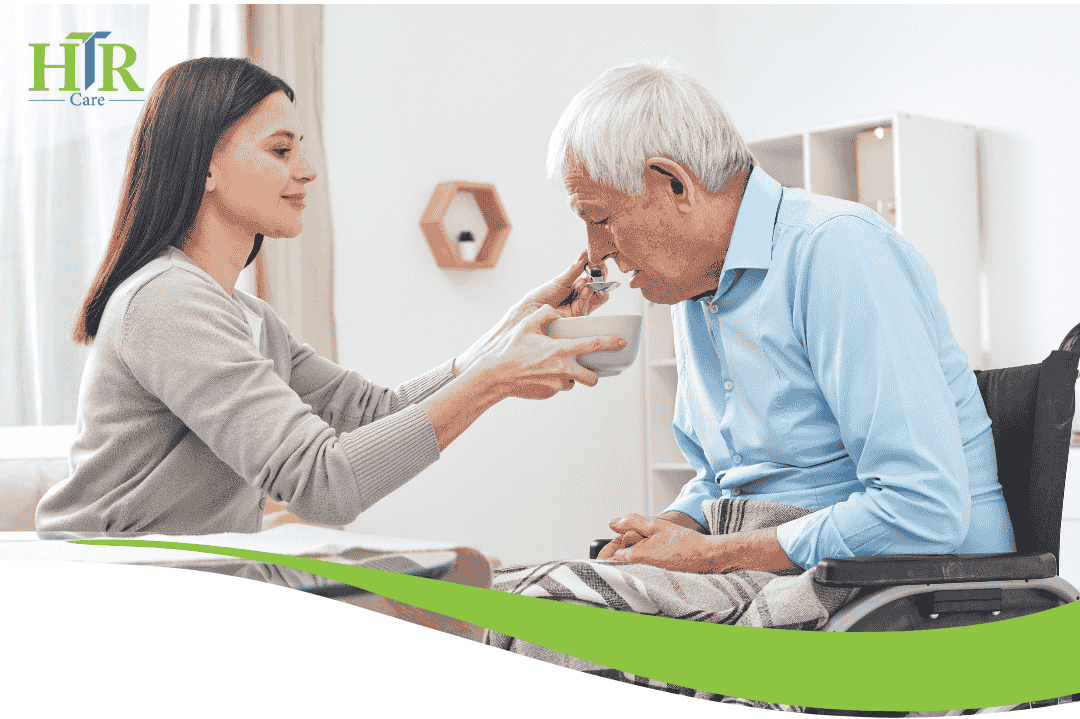
High-quality home care follows an enablement approach rather than taking over completely. Carers support participation wherever possible. For example, a carer may prepare ingredients for a meal while encouraging the individual to stir, chop, or serve under supervision. This graded support helps rebuild strength, coordination, and confidence over time.
Support with medication management and regular, nutritious meals also plays an essential role. Missed medication or poor nutrition can lead to fatigue, dizziness, or low motivation. When these factors are well managed, seniors are better able to enjoy social outings, hobbies, and gentle household activities that count as purposeful movement.
If you would like to explore this further, the article Why Domiciliary Care Helps Seniors Stay Independent at Home offers practical examples of how daily support promotes independence.
Companionship, Social Life and Cognitive Activities That Motivate Movement
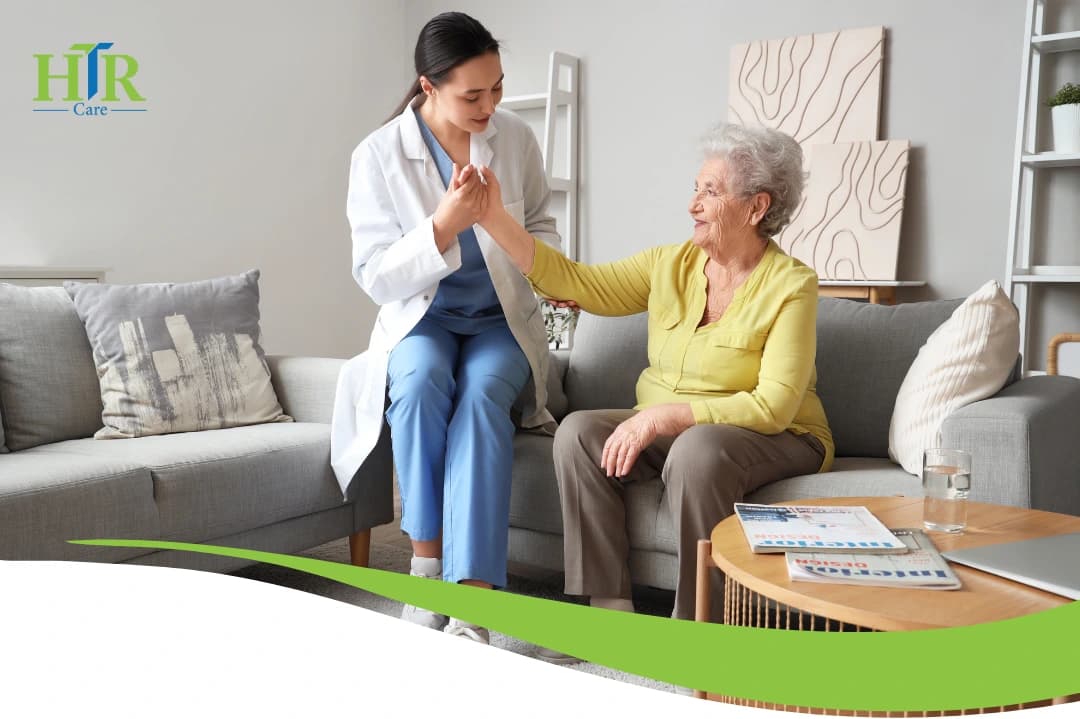
Companionship is often one of the strongest motivators for staying active. Companionship care transforms movement from a solitary task into a shared and enjoyable experience. A walk with a carer, gardening together, or attending a community group naturally encourages physical activity.
Regular social interaction reduces loneliness and improves mood. Improved emotional wellbeing increases willingness to move and engage. Cognitive activities such as puzzles, memory games, and creative crafts also support physical engagement through actions like reaching, standing, and handling objects. These small movements help maintain coordination and balance.
Carers can also facilitate access to the wider community. Attending a day centre, faith group, or local class provides structure and purpose. This social rhythm creates regular opportunities for movement and helps sustain an active lifestyle over time.
Practical Supports: Transport, Medication Management and Nutrition to Sustain Activity
Barriers to activity are often practical rather than physical. Reliable transport, effective medication routines, and proper nutrition are just as important as exercise programmes.
Transport support enables seniors to attend medical appointments, social events, and community activities. Removing this barrier often leads to more consistent participation in activities that require leaving the home.
Medication management is equally critical. Missed or poorly timed medication can cause dizziness, drowsiness, or low blood pressure, all of which reduce mobility. Trained carers organise medication schedules, monitor side effects, and liaise with healthcare professionals when adjustments are needed.
Nutrition provides the fuel for movement. Balanced meals and adequate hydration sustain energy throughout the day. Carers can prepare protein-rich breakfasts, encourage nutrient-dense snacks, and ensure regular fluid intake. Over weeks and months, these small dietary improvements contribute significantly to stamina and physical resilience.
Why Choose HTR Care: Trained Staff, CQC Standards and Personalised Services That Keep Seniors Active
Choosing the right care provider plays a vital role in maintaining an active life at home. HTR Care combines experience, regulated practice, and skilled staff to support seniors in staying mobile, independent, and engaged.
All HTR Care staff undergo DBS checks and receive training in safe moving and handling, medication administration, and person-centred care planning. These skills are essential when supporting walking routines, transfers, and supervised activity.
HTR Care offers flexible services that align with the strategies outlined in this article. Options include short hourly visits for companionship and activity prompts, live-in care for continuous support, and transport assistance for community engagement. Each service begins with a personalised assessment focused on the client’s goals, preferences, and abilities.
Engaging a trusted provider early can help prevent physical decline and support long-term independence.
Conclusion
Activity matters at every stage of life. For older adults, staying active supports mobility, independence, and emotional wellbeing. Home care for seniors works because it combines personalised planning, a safer home environment, practical daily support, and meaningful companionship. Together, these elements remove barriers, conserve energy, and create lasting motivation.
If you would like to explore how personalised home care can help your loved one stay active, contact HTR Care to arrange a needs assessment.