Learn how stroke increases dementia risk, warning signs to watch for, prevention steps and how home care can support recovery and independence.
A stroke occurs when blood flow to part of the brain is suddenly interrupted, depriving brain cells of oxygen and causing injury that can affect movement, speech, memory and thinking. Dementia is an umbrella term for a progressive decline in cognitive abilities such as memory, judgement and reasoning that interferes with everyday life.
A stroke can change a life in an instant. Memory, judgement and independence can be affected in ways that surprise families and professionals alike. Many people wonder whether a stroke is simply a one-off medical event or the start of a longer decline in thinking and memory. The connection between stroke and dementia is real, but it is not always straightforward.
For families trying to understand what dementia care looks like in real life after a stroke, our dementia care at home guide explains care options, daily support needs and how home-based care is structured in England. This blog article explains how a stroke can lead to cognitive problems, how big the risk is, when different types of brain disease overlap, what can be done to lower risk, and practical steps families can take at home. We will also explain how trained home-care support can help after a stroke.
How Stroke Can Cause Cognitive Decline: The Mechanics of Vascular Dementia and Post-stroke Dementia
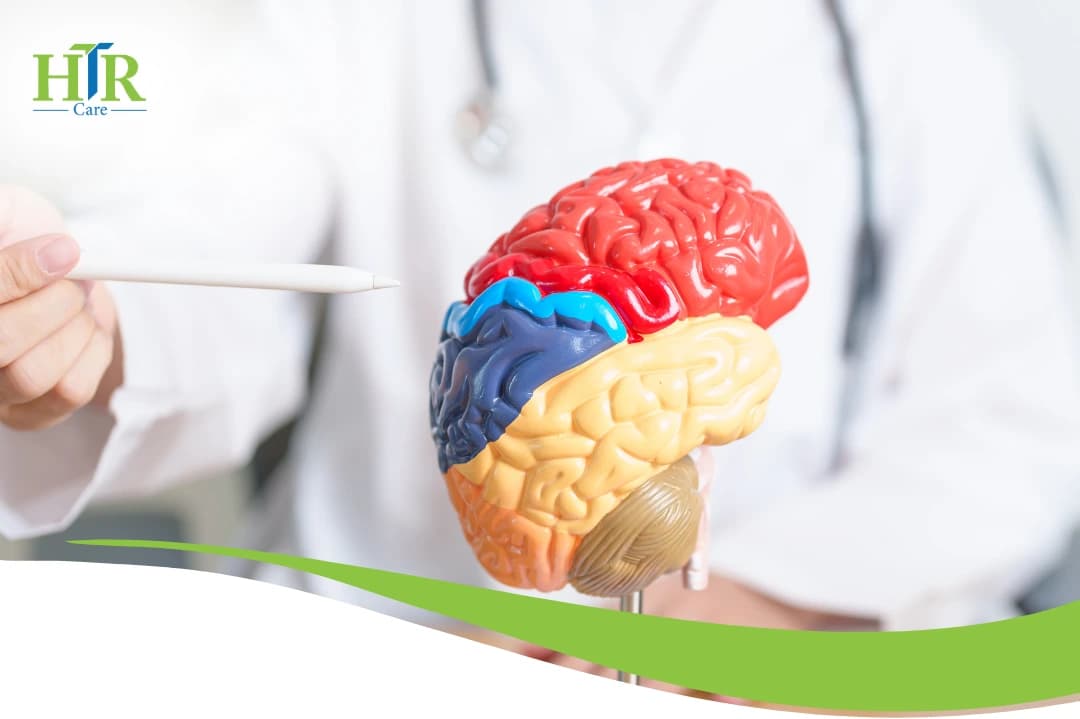
A stroke occurs when blood flow to part of the brain is interrupted. Cells in the affected area are starved of oxygen and may die. That damage can affect memory, language, attention and other thinking skills depending on location and size of the injury.
When this damage causes persistent problems with thinking, the result can be post-stroke dementia or a form of vascular dementia. Vascular dementia signs and symptoms arise when the brain does not receive enough blood, often because of large strokes, many small "silent" strokes, or disease of the small blood vessels deep in the brain. The pattern of symptoms is sometimes different to that of Alzheimer’s disease. People with vascular problems may have more difficulty with planning, multitasking and walking, and symptoms can fluctuate.
Few biological pathways to bear in mind:
- Direct tissue loss from a major stroke produces immediate cognitive deficits.
- Multiple small infarcts and damage to the brain’s white matter gradually erode thinking ability.
- Reduced blood flow plus inflammation can accelerate other age-related changes in the brain.
Clinicians also distinguish sudden cognitive change immediately after a stroke from a progressive decline that develops over months or years. Both are important to recognise because care needs and prevention strategies differ.
How Much Does Stroke Increase Dementia risk? Key Statistics Every Family Should Know
Understanding numbers makes informed planning possible. Studies show that people who have had a stroke are at significantly higher risk of developing dementia than people who have not had a stroke. Recent large population studies report that stroke survivors have about an 80% higher risk of being diagnosed with dementia compared with matched people without stroke. (PubMed)
Risk is not constant over time. The first 12 months after a stroke is a particularly high-risk period for developing dementia; in some studies dementia risk in that first year rose nearly threefold compared with people who have not had a stroke. Over longer follow-up, risk remains elevated for many years though it is lower than the immediate post-stroke peak. (Heart Association)
The number and pattern of vascular events matters. Having multiple strokes increases the chance of dementia much more than a single, small infarct. Pooled analyses indicate that multiple infarcts can raise the risk by about 2.8 times compared to people without recurrent strokes.
Who is at greatest risk? Older age, uncontrolled high blood pressure, atrial fibrillation, diabetes, recurrent strokes and extensive small vessel disease on brain scans all raise the odds. Knowing these risk factors helps families and clinicians target prevention and support.
Mixed Causes: When Stroke and Alzheimer’s Co-exist
Not every person with dementia after a stroke has pure vascular dementia. Many older people show mixed pathology. This is called mixed dementia and it means changes associated with both vascular disease and Alzheimer’s disease are present together.
Mixed dementia matters because it can change the pattern of symptoms and influence treatment decisions. For example, someone with mixed pathology may experience both the memory loss typical of Alzheimer’s and the slowed thinking or balance problems that accompany vascular injury. Imaging and careful clinical assessment help clinicians identify mixed causes, but certainty can be difficult without specialist testing. Many families are unsure whether symptoms are caused by vascular damage, Alzheimer’s disease, or both. Understanding the difference between dementia and Alzheimer’s disease can help set realistic expectations and guide care decisions.
From a family perspective, the practical consequence is that both vascular risk management and supportive dementia care are important. Asking clinicians about imaging results, cognitive baseline measures and plans for managing vascular risk will help shape a clearer care pathway.
Preventing Dementia After Stroke: Clinical Steps and Lifestyle Measures You Can Act On Today
Prevention after stroke focuses on reducing the chance of another stroke and addressing the vascular drivers of cognitive decline.
Important clinical interventions:
- Treat atrial fibrillation with appropriate anticoagulation when indicated. This lowers the risk of further embolic strokes.
- Manage blood pressure aggressively within the safe targets set by clinicians. High blood pressure is a leading cause of small vessel disease.
- Use statins and control diabetes to reduce vascular risk. Smoking cessation is essential.
- These measures reduce the chance of new brain injury and therefore reduce the risk of further cognitive decline. Evidence supports that aggressive vascular risk management after stroke is effective in lowering long-term dementia risk.
Lifestyle actions also play a key role and are within reach for many families. Physical activity, following a brain-healthy eating pattern such as the MIND approach, cognitive stimulation and strong social connections all support brain health. These steps matter both for the person who has had a stroke and for carers who help sustain healthy routines.
Practical Tips:
Prevention is a team effort. Rehabilitation professionals, GPs and home-care teams can work together to ensure medications are taken correctly, blood pressure is monitored. Routines that support exercise and healthy food must be in place since the role of nutrition in elderly health is extremely important.
Caring Well After Stroke When Cognition Is Affected: Practical Home Strategies and Support
When cognition is affected after a stroke, daily life changes. Families can adapt the home and routines to make independence safer and more achievable. Small, simple steps make a big difference:
- Establish clear routines and use visible memory prompts for appointments and medications. Medication management at home can be complex after a stroke, and trained carers can help.
- Make the environment easy to navigate: Remove loose rugs, improve lighting and create predictable routes between commonly used rooms in order to create a supportive home environment.
- Support mobility with aids and short supervised walks; this helps cognition as well as physical recovery.
- Use a graded approach to tasks so that success builds confidence and stress is reduced.
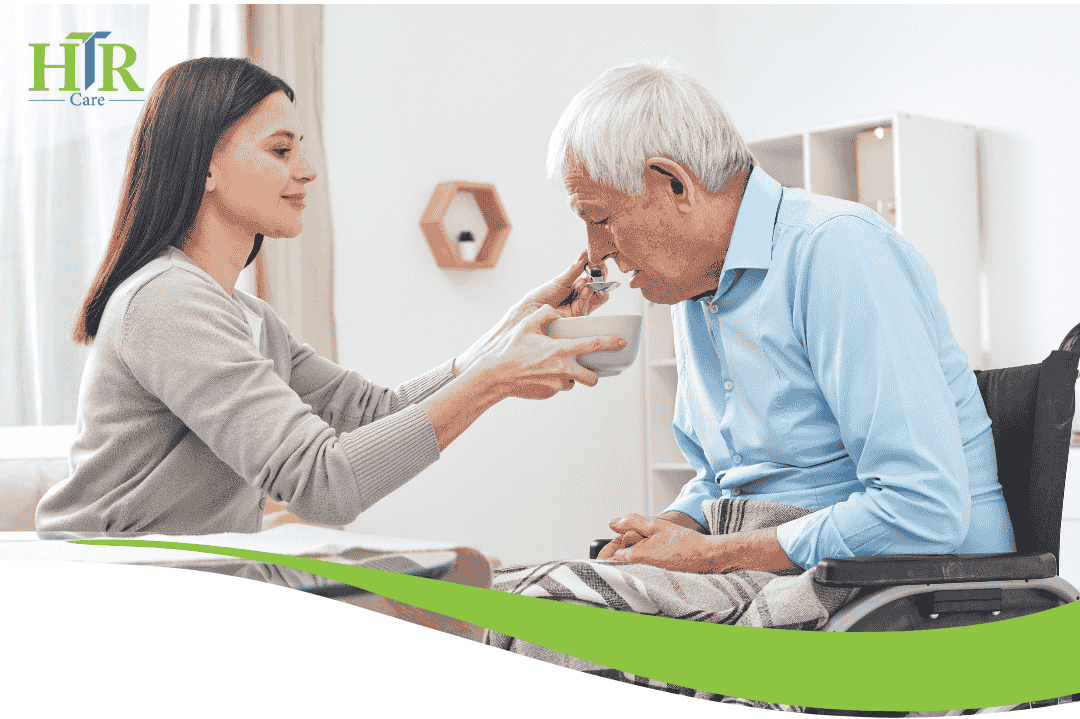
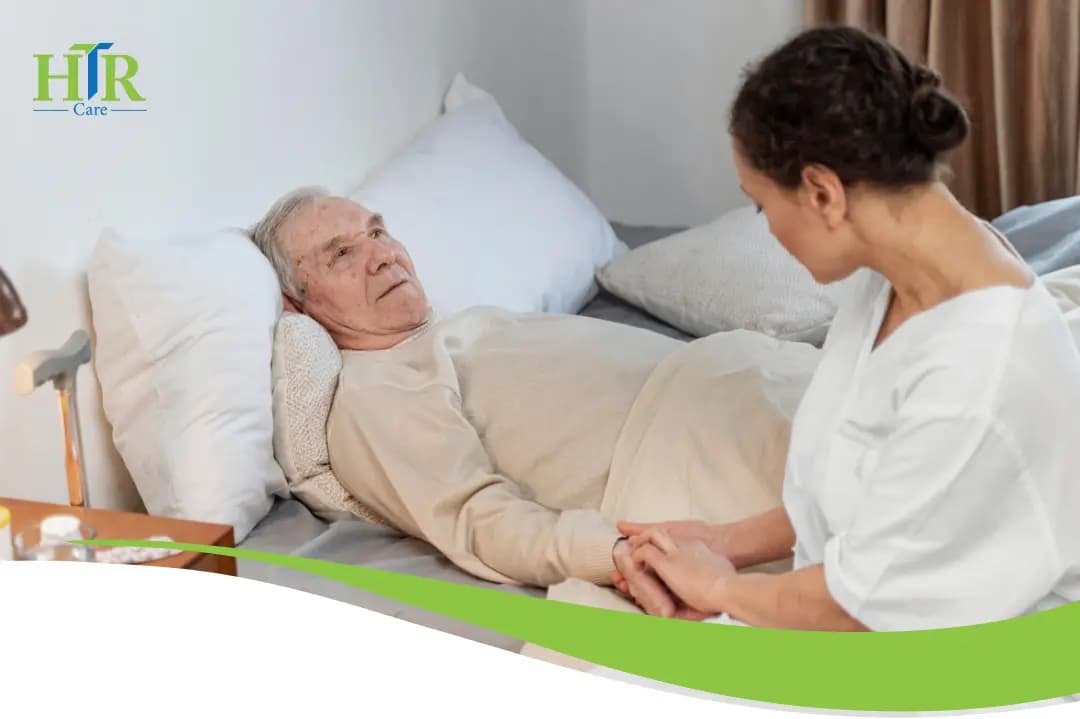
Home care professionals play an important role. Domiciliary care, whether in short visits or live-in arrangements, supports daily routines, helps with personal care, and supports rehabilitation goals. Creating a safe and familiar environment is essential when cognition is affected. A dementia-friendly home with domiciliary care support can significantly reduce confusion, falls and caregiver stress after stroke.
Conclusion
A stroke is more than an isolated medical event. It can leave a lasting mark on the brain and significantly increase the risk of dementia, particularly in the year after the event and when strokes recur. Understanding the mechanisms behind post-stroke dementia and recognising who is at greatest risk helps families and clinicians take action.
Prevention is both medical and practical. Controlling vascular risk factors, following secondary prevention plans and adopting brain-healthy lifestyle habits reduce the chance of further brain injury and may lower dementia risk. At home, careful planning, environmental adjustments and trained support make recovery and daily life safer and more dignified.
If you are planning care or wondering about next steps, talk to your clinical team and consider how domiciliary support can help. HTR Care supports stroke survivors and people living with dementia across London and England. Our teams are trained in safe moving and handling, medicine administration and delivering compassionate, person-centred care. If you would like help planning home-based support, contact HTR Care for a personalised assessment and practical next steps.
FAQs
1. What is the difference between stroke-related memory problems and dementia?
Short-term memory and attention can be affected immediately by a stroke; dementia is a longer-term, progressive decline in multiple thinking skills that interferes with daily life. A clinical assessment can distinguish the two.
2. How soon after a stroke should I be concerned about dementia?
The first 12 months carry the highest increased risk, so close monitoring during that period is important. Any persistent decline in thinking or daily function should prompt a clinical review.
3. Can dementia after stroke be prevented?
While not all cases are preventable, careful secondary stroke prevention and control of vascular risk factors substantially reduce the risk of further brain injury and therefore lower dementia risk.
4. How can home care help after a stroke with cognitive problems?
Home care can support medication management, daily routines, rehabilitation exercises and safety adaptations, which together help preserve independence and reduce caregiver strain. See Managing Medications Safely at Home with Domiciliary Care for practical tips.
5. When should I consider specialist dementia services or supported accommodation?
If cognitive decline affects safety, mobility or the ability to manage daily tasks despite home adaptations, discussing specialist dementia services or supported accommodation with your clinician or care advisor is advised. Respite and staged support options can also be helpful.

About Meena Pradhan
Care Coordinator/Senior Field Supervisor