Choosing the right overnight care is not just about cost. It is about making sure your loved one has the right level of support through the night without overspending on care they may not need. By understanding the difference between sleeping night care and waking night care, you can make a decision that protects their safety, supports their comfort, and gives your family greater peace of mind.
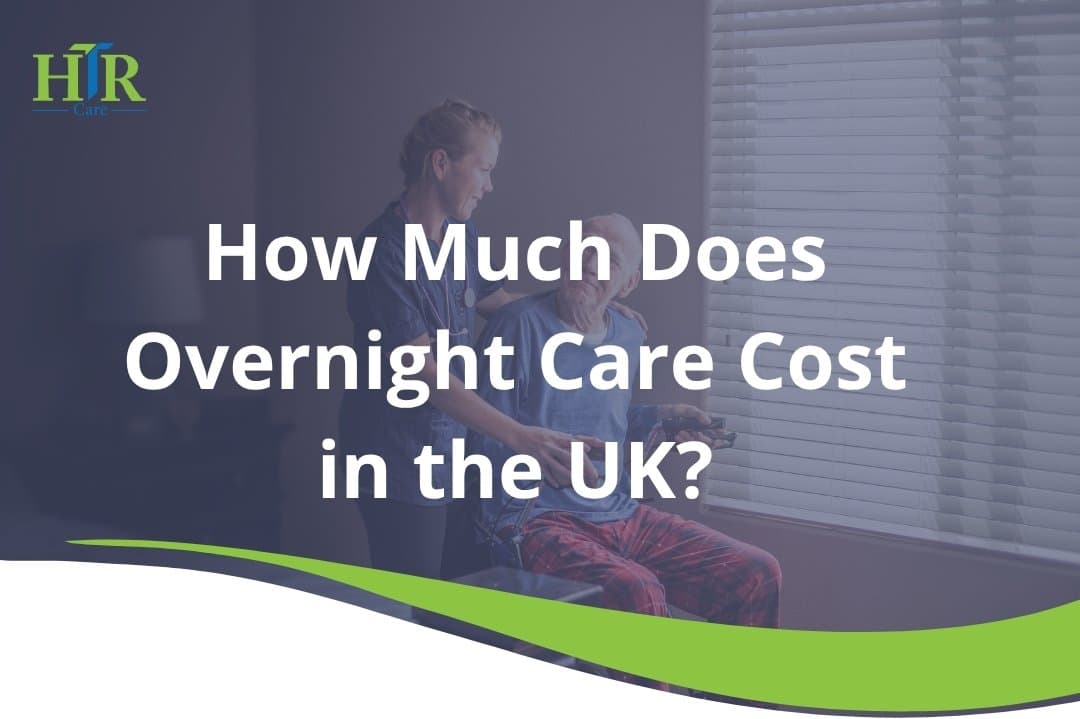
Overnight care in the UK costs between £100 and £230 per night for sleeping night care and between £150 and £320 per night for waking night care in 2026. The Lottie 2026 national average places sleeping night care at £210 per night and waking night care at £260 per night.
The exact cost depends on which type of overnight care your loved one needs, how complex their care requirements are, and where you live. The right type depends on how often and how urgently your loved one needs support during the night. A person who rarely wakes needs sleeping-night care, whereas a person who needs frequent toileting, regular repositioning, or continuous monitoring needs waking-night care from a carer who stays alert for the full shift.
What Is Overnight Care?
Overnight care is professional support provided inside your loved one's home during the night, typically covering the hours of 10pm to 7am or 8am. Overnight care is arranged when a person cannot be safely left alone at night due to fall risk, a health condition, post-surgical recovery needs, or the effects of dementia.
Overnight care differs from live-in care in that the carer attends specifically to the night shift rather than residing in the home full time. Overnight care is most commonly used alongside daytime visiting care or as a temporary measure following a hospital discharge. It allows your loved one to remain at home, in a familiar environment, rather than moving into a residential setting.
There are 3 main types of overnight care available in the UK:
Sleeping night care: The carer rests on site in a designated room and responds when your loved one calls for assistance. Sleeping night care suits people who are generally settled at night but need someone present for occasional support, reassurance, or safety. Sleeping night care is the more affordable option and is appropriate when interventions are predictable and infrequent.
Waking night care: The carer remains fully awake and active throughout the entire shift, providing continuous monitoring and immediate support whenever needed. Waking night care is required when your loved one needs frequent assistance, has unpredictable overnight needs, or cannot be left unsupervised at any point during the night.
Nursing overnight care: A registered nurse provides clinical care throughout the night, covering tasks such as syringe driver management (a device used to deliver continuous medication), complex wound care, oxygen monitoring, or catheter care (management of a urinary drainage tube). Nursing overnight care is charged at a higher rate than standard overnight care and is arranged when clinical tasks exceed what a trained care worker is qualified to perform.
How Much Does Sleeping Night Care Cost?
Sleeping night care costs between £100 and £230 per night in the UK in 2026. The Lottie 2026 national average places sleeping-night care at £210 per night. Most sleeping night shifts cover 9 to 10 hours, typically running from 10pm to 7am or 8am.
Sleeping night care costs less than waking night care because the carer is not contracted to remain active for the full duration of the shift. A sleeping night carer is expected to respond up to 2 or 3 times during the night. Any requirement beyond that frequency typically moves the arrangement into waking night care territory.
How Much Does Waking Night Care Cost?
Waking night care costs between £150 and £320 per night in the UK in 2026. The Lottie 2026 national average places waking night care at approximately £250 to £260 per night. Waking night care costs more than sleeping night care because the carer stays fully awake and active throughout the shift.
The carer monitors your loved one continuously, carries out scheduled care tasks, and responds immediately to any needs that arise. Waking night care at £260 per night costs approximately £1,820 per week and up to £94,640 per year at a nightly frequency. Waking night care is necessary when your loved one's nighttime needs are frequent, unpredictable, or clinically significant.
How Does Sleeping Night Care Compare to Waking Night Care on Cost?
The key difference between sleeping and waking night care is whether the carer is contracted to remain awake and active for the full shift. This distinction directly determines what you pay per night.
Sleeping Night Care
Average cost per night (2026): £100–£230
Lottie 2026 national average: £210
Carer status overnight: Resting on-site and responds when needed
Expected interventions per night: Up to 2–3 times
Best suited for: Occasional, predictable night-time needs
Typical tasks: Toileting support, reassurance, and helping someone settle back to sleep
Annual cost (7 nights a week): Approx. £76,440
Waking Night Care
Average cost per night (2026): £150–£320
Lottie 2026 national average: £260
Carer status overnight: Fully awake and active throughout the shift
Expected interventions per night: Frequent or ongoing support
Best suited for: Frequent, complex, or unpredictable night-time needs
Typical tasks: Repositioning, medication support, monitoring, and fall prevention
Annual cost (7 nights a week): Approx. £94,640
A formal care needs assessment is the most reliable guide when choosing between the two types. Your loved one's overnight needs can change over time. A sleeping night arrangement should be reviewed and upgraded to waking night care when interventions increase in frequency or complexity.
When Is Overnight Care Needed?
Overnight care is needed when a person cannot be safely left alone at home during the night without risk to their health or safety.
There are 6 situations that most commonly lead families to arrange overnight care:
Post-hospital discharge: People returning home after surgery or a hospital stay often need monitoring overnight to manage medication, observe recovery, and respond to any complications that arise.
Frequent night-time falls: People with a history of falling at night, or those with significantly reduced mobility, need a carer present to prevent injury and respond immediately if a fall occurs.
Advanced dementia with night-time wandering: Dementia frequently causes disorientation during the night, leading people to leave their bed or home unsafely. Overnight care keeps the person monitored and settled throughout the night.
Carer respite: Family carers who provide support during the day need uninterrupted sleep at night to continue providing care safely. An overnight carer takes over the night shift so the family carer can rest.
Complex medication schedules: Some medications must be administered at specific times during the night. An overnight carer ensures doses are given accurately and on schedule.
Palliative or end-of-life care: People in the final stages of a serious illness often need continuous comfort, monitoring, and clinical support throughout the night that family members cannot provide alone.
What Factors Affect Overnight Care Costs?
5 main factors affect overnight care costs in the UK. Understanding these helps you compare provider quotes accurately and choose the right arrangement for your loved one's needs.
1. Type of Night Care
The type of overnight care needed is the single biggest factor in determining cost. Sleeping night care is significantly more affordable than waking night care. Waking night care costs less than nursing-level overnight care. Using the wrong type of overnight care affects both safety and cost. A formal care needs assessment helps identify the correct type before you commit to a provider.
2. Clinical Complexity
The more complex your loved one's health needs are, the higher the nightly rate. A person who needs occasional toileting assistance is priced differently from a person with advanced dementia who needs continuous repositioning, medication administration, and behavioural monitoring.
When clinical tasks such as catheter care, syringe driver management, or oxygen monitoring are required, nursing-level carers must be engaged. Nursing-level overnight care carries a substantially higher nightly rate. Always confirm in writing whether the provider is quoting for a standard overnight carer or a registered nurse.
3. Shift Length and Timing
Yes, shift length and timing directly affect the total cost. Most overnight shifts cover 9 to 12 hours. Longer shifts cost more in total, whether charged at a flat nightly rate or an hourly rate. Shifts that start before 10pm or extend beyond 7am may attract additional charges. Care on weekends and bank holidays typically costs more than weekday care, as providers pay carers at higher rates for unsociable hours.
A single-night booking on short notice usually attracts a surcharge compared to a regular weekly arrangement. Block bookings for multiple nights per week often qualify for a reduced per-night rate.
4. Location
Your location directly affects the nightly rate you are quoted. London and the South East consistently attract the highest overnight care rates in the UK. In East London, sleeping night care for a 9-hour shift ranges from £190 to £230 per night, with waking night rates higher still.
The Midlands and North of England offer more competitive nightly rates, reflecting lower local living costs and wage expectations. Rural areas may carry travel supplements on top of the quoted flat rate, which increases the effective nightly cost.
5. Provider’s Model
A fully managed home care agency employs the carer directly and covers payroll, training, Disclosure and Barring Service (DBS) checks, insurance, supervision, and emergency cover. An introductory platform connects families with self-employed carers and leaves employment responsibilities with the household.
Fully managed agencies charge higher nightly rates. Those costs cover the regulatory compliance and carer replacement arrangements that protect your loved one overnight. Always confirm that any overnight care provider holds a current registration with the Care Quality Commission (CQC) and check the most recent inspection rating before engaging any service.
Is Overnight Care Cheaper Than a Care Home?
“Yes, targeted overnight care at home is often more cost-effective than a residential care home placement when the primary need is night-time support.”
Care home fees in the UK typically range from £900 to £1,200 per week for residential care, covering accommodation, meals, and round-the-clock staffing. Your loved one's home is also excluded from local authority means-testing when they continue to live in it. The same property would be counted as an asset if they moved into a care home.
Sleeping night care at the national average of £210 per night costs approximately £1,470 per week for seven nights. Sleeping night care is comparable to care home fees in total cost but keeps your loved one at home in familiar surroundings with one-to-one dedicated overnight attention.
How to Fund Overnight Care
Overnight care in the UK can be funded through local authority support, NHS pathways, personal benefits, or self-funding. Starting the assessment process early gives your family the best chance of accessing support before overnight care costs become difficult to manage.
1. Local Authority Funding
Local authority funding is available in England to those whose assets fall below the upper capital threshold of £23,250. A care needs assessment, followed by a financial assessment, determines whether the person qualifies for full or partial council funding. Those with assets below £14,250 typically receive fully funded care. Those between the two thresholds contribute proportionally.
Arranging a care needs assessment with your local authority should be the first step, as the process can take several weeks from referral to funding confirmation.
2. NHS Continuing Healthcare
NHS Continuing Healthcare (CHC) fully funds care for individuals assessed as having a primary health need. CHC is not automatically granted based on a diagnosis and is assessed individually by the NHS. People whose overnight care needs are driven primarily by a health condition are more likely to qualify for CHC funding. Requesting a CHC assessment early is strongly recommended when clinical needs are significant. Retrospective CHC claims are difficult to secure, so early application is essential.
3. Attendance Allowance and Benefits
Attendance Allowance is a non-means-tested benefit for people over State Pension age who need help with personal care or supervision, including during the night. The higher rate for 2025/26 is £114.60 per week and does not depend on savings or income. Attendance Allowance does not cover the full cost of overnight care but reduces the net nightly outlay when combined with other funding sources.
Carer's Allowance is available to unpaid family carers who provide at least 35 hours of care per week.
4. Direct Payments
Direct payments are available to those who qualify for local authority funding and want to choose their own overnight care provider. The council transfers the assessed funding amount directly to the individual or their family, giving full control over which carer or provider is engaged for overnight support. Direct payments are particularly useful when your family has already identified a preferred carer or wants the same person attending consistently each night.
How to Choose an Overnight Care Provider
To choose the right overnight care provider for your loved one, follow these 6 steps:
Get a formal care needs assessment first. Contact your local authority adult social care team and request an assessment before approaching any provider. The assessment determines which type of overnight care is appropriate and whether council funding is available.
Confirm whether the arrangement is a sleeping night or a waking night before accepting any quote. Ask the provider to define in writing what that means for your loved one's specific needs and exactly which tasks are included in the shift.
Request a written itemised quote that separates the base nightly rate from any surcharges for weekends, bank holidays, travel, or additional tasks. Confirm whether the rate is a flat fee or an hourly calculation.
Confirm DBS check status, training records, and clinical qualifications for the specific carer who will attend. Ask whether the same carer attends consistently or whether the provider uses a rotating roster of staff.
Ask about emergency cover arrangements. Confirm in writing what happens if the overnight carer is unavailable at short notice and how quickly a replacement can be deployed.
Check the provider's CQC registration and inspection rating before signing any agreement. At HTR Care, CQC-aligned standards are applied across every overnight care package. Every family receives a full written care plan and cost breakdown before overnight services begin.
What Should You Do Next to Arrange Overnight Care?
Overnight care in the UK in 2026 costs between £100 and £230 per night for sleeping care and between £150 and £320 per night for waking care, with national averages of £210 and £260 per night, respectively.
The right type depends on the frequency and clinical complexity of your loved one's night-time needs. Funding routes, including local authority support, NHS Continuing Healthcare, Attendance Allowance, and direct payments, can all reduce the financial burden.
Arranging a care needs assessment early, requesting itemised written quotes, and confirming CQC registration are the most effective steps you can take before committing to an overnight care arrangement.
To discuss overnight care options for your loved one, contact the HTR Care team for a clear, no-pressure assessment of your situation and a full written cost breakdown before any services begin.

About Meena Pradhan
Care Coordinator/Senior Field Supervisor