
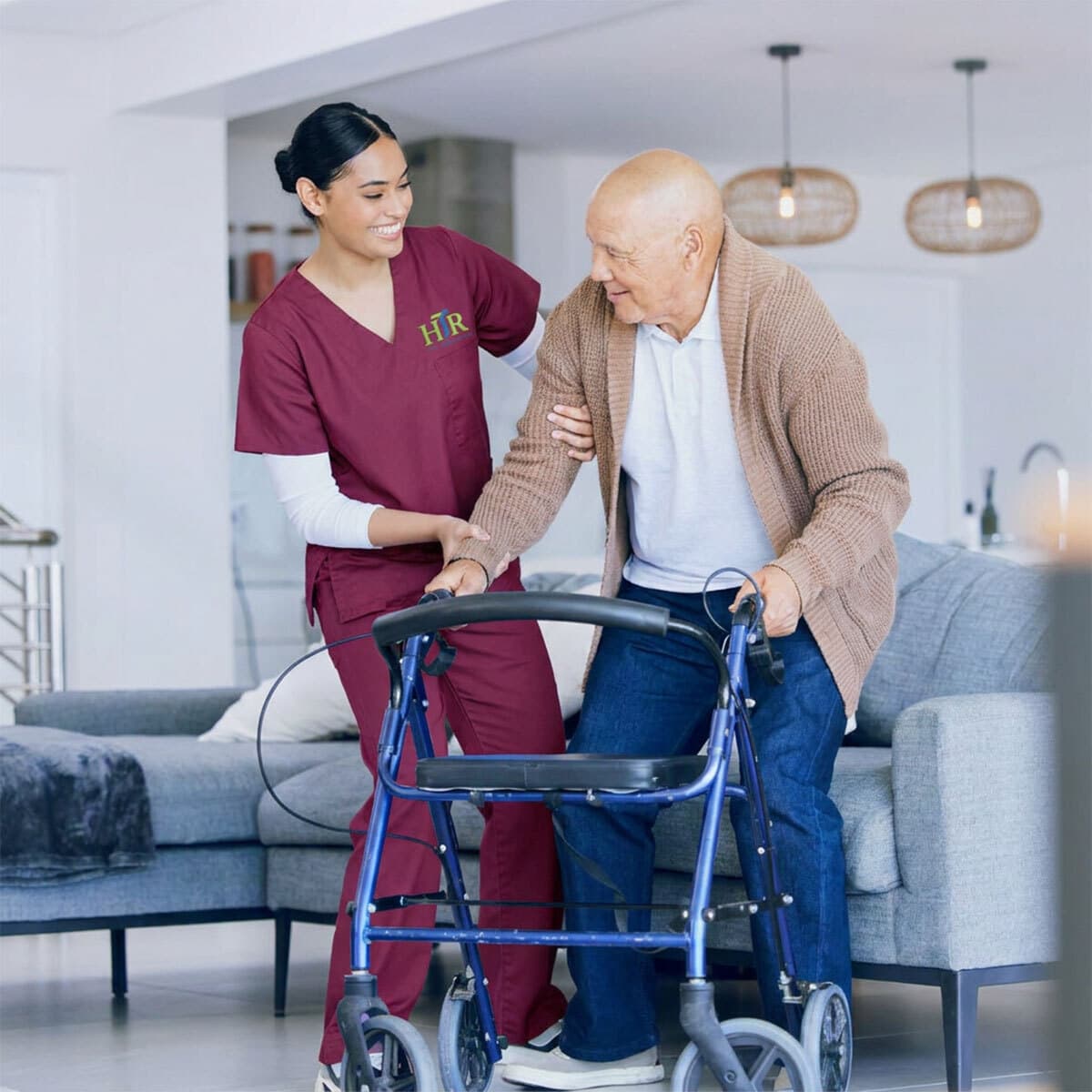



Care That Supports Recovery Where It Actually Happens - at Home
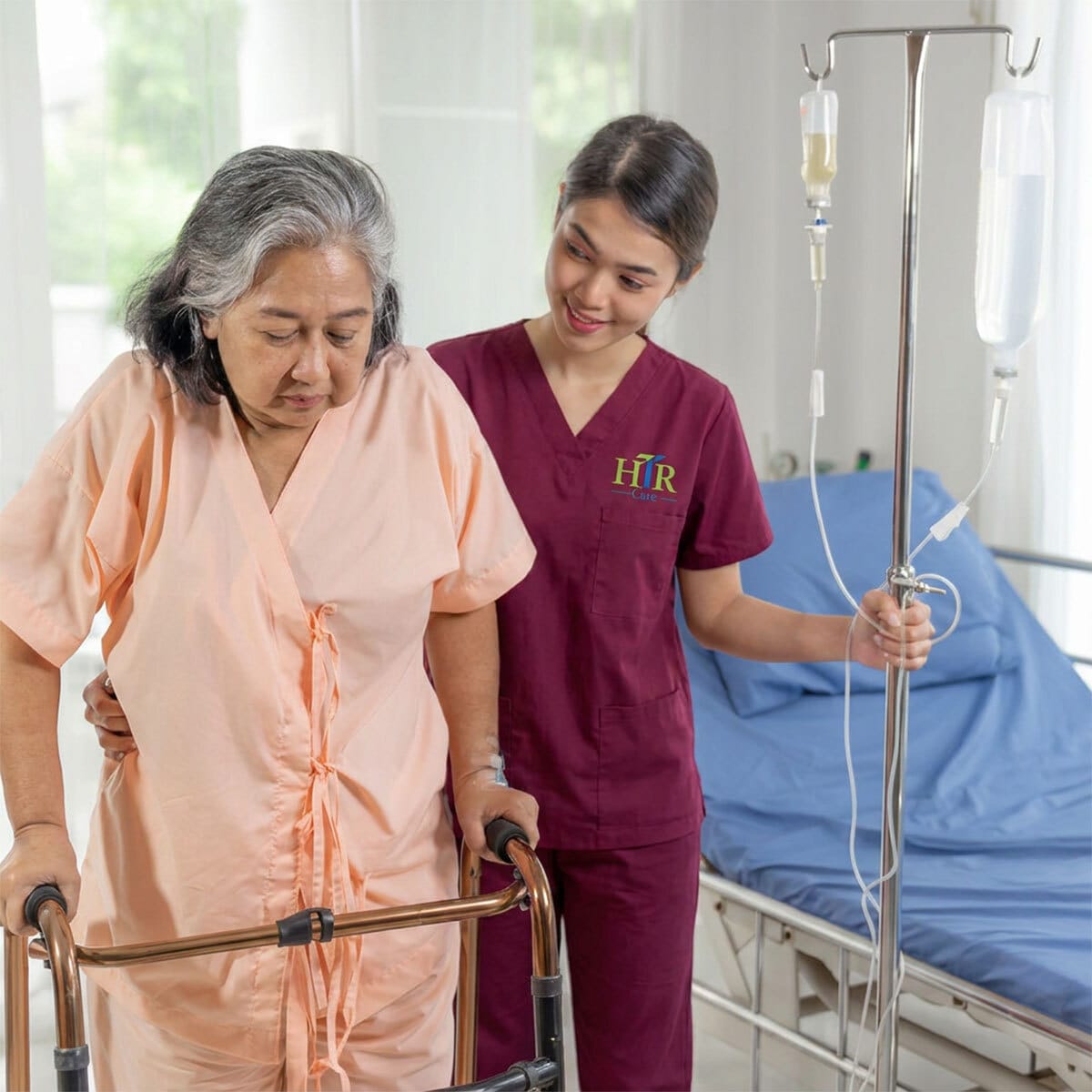
After-hospital care is short-term professional support delivered at home after discharge from the hospital. It exists to make sure recovery continues safely once medical treatment in the hospital has ended, but your loved one is still not fully independent. It covers the practical and personal parts of recovery - washing, dressing, medication, mobility, meals, wound care, and reassurance. For some families, it is a short period of help for a few days after a straightforward procedure. For others, it continues for weeks following surgery, stroke, illness, or a more complex recovery.
HTR Care has been providing after-hospital care across Greater London and surrounding areas since 2017. We are rated 9/10 by families and regulated by the Care Quality Commission (CQC), rated Good across all five domains: Safe, Effective, Caring, Responsive, and Well-Led. After-hospital care can usually begin within 24 hours, and sooner in urgent cases when discharge happens quickly or unexpectedly
What is After-Hospital Care in Practice?
After-hospital care or Reablement services is the bridge between hospital discharge and full recovery at home. It supports your loved one during the early stage, where they may still feel weak, unsteady, or overwhelmed by new routines such as medication changes, wound care, or reduced mobility.
Across the UK, hospital discharge is now faster than it used to be, which means people often return home earlier in their recovery journey. Without proper support, this can lead to complications such as falls, missed medication, poor nutrition, or readmission to the hospital.
After-hospital care reduces those risks by keeping support consistent at home during the most sensitive stage of recovery.
HTR Care is fully regulated by the CQC and trusted by families across Greater London and surrounding areas for safe, structured home recovery support.
Up to 28% of older adults are readmitted to the hospital within 28 days when recovery at home is not properly supported.
Source: NHS England
Three Types of Live-in Support
Personal & Daily Support
Help with washing, dressing, eating, moving around, and rebuilding confidence in daily routines after discharge.
Clinical Recovery Support
Support with medication, wound care, and coordination with NHS community nurses and GPs.
Reablement Support
Helping your loved one rebuild independence step by step rather than becoming dependent on long-term care too quickly.
What After-Hospital Care at Home Covers
Personal Care During Recovery
After hospital discharge, personal care often becomes difficult due to pain, fatigue, or limited mobility. We support your loved one with washing, dressing, grooming, and continence care in a calm, respectful way that follows recovery needs and hospital guidance.

Medication Management
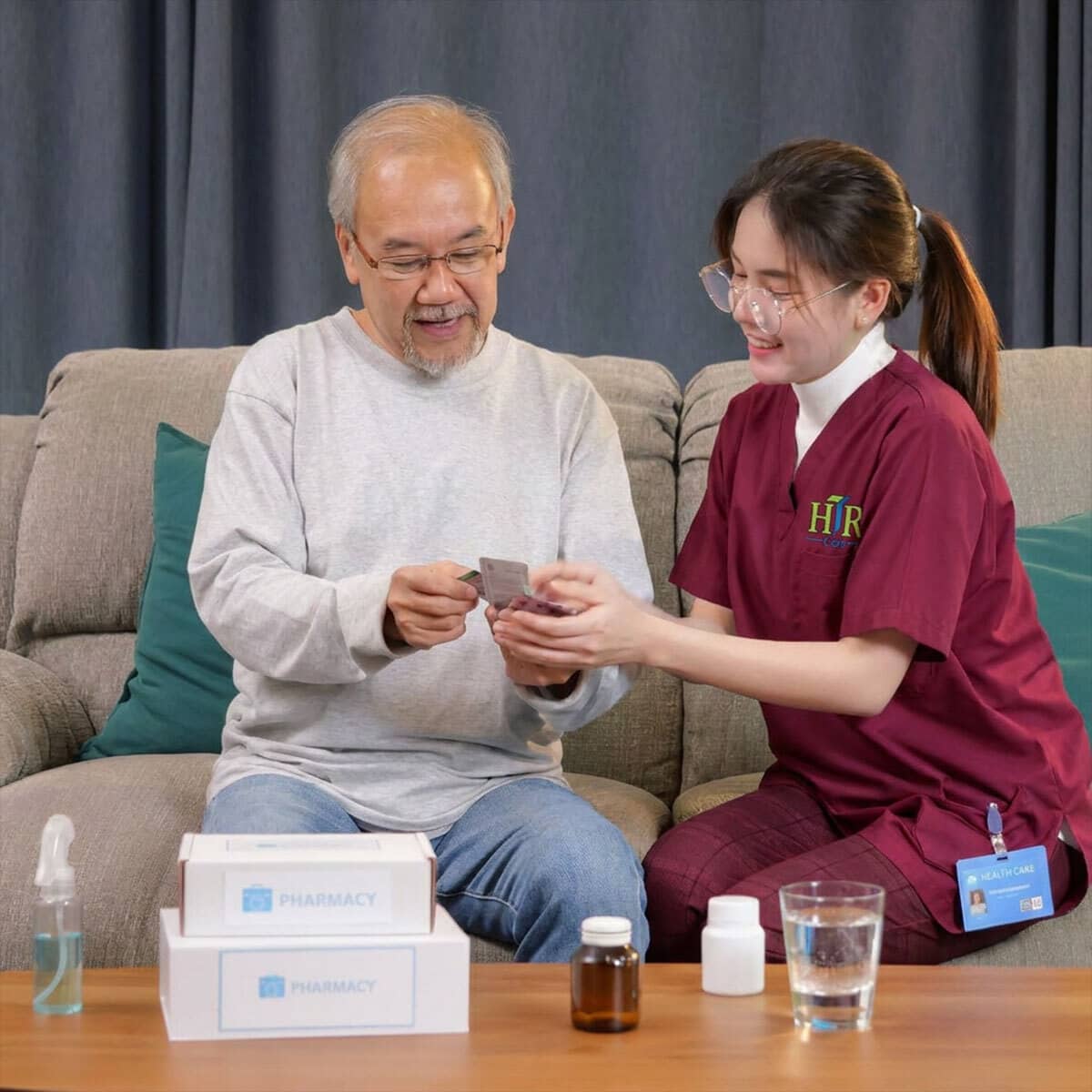
Hospital discharge often introduces new medications or changed doses. We ensure medication is taken correctly, at the right times, and support communication with GPs or pharmacists if anything changes.
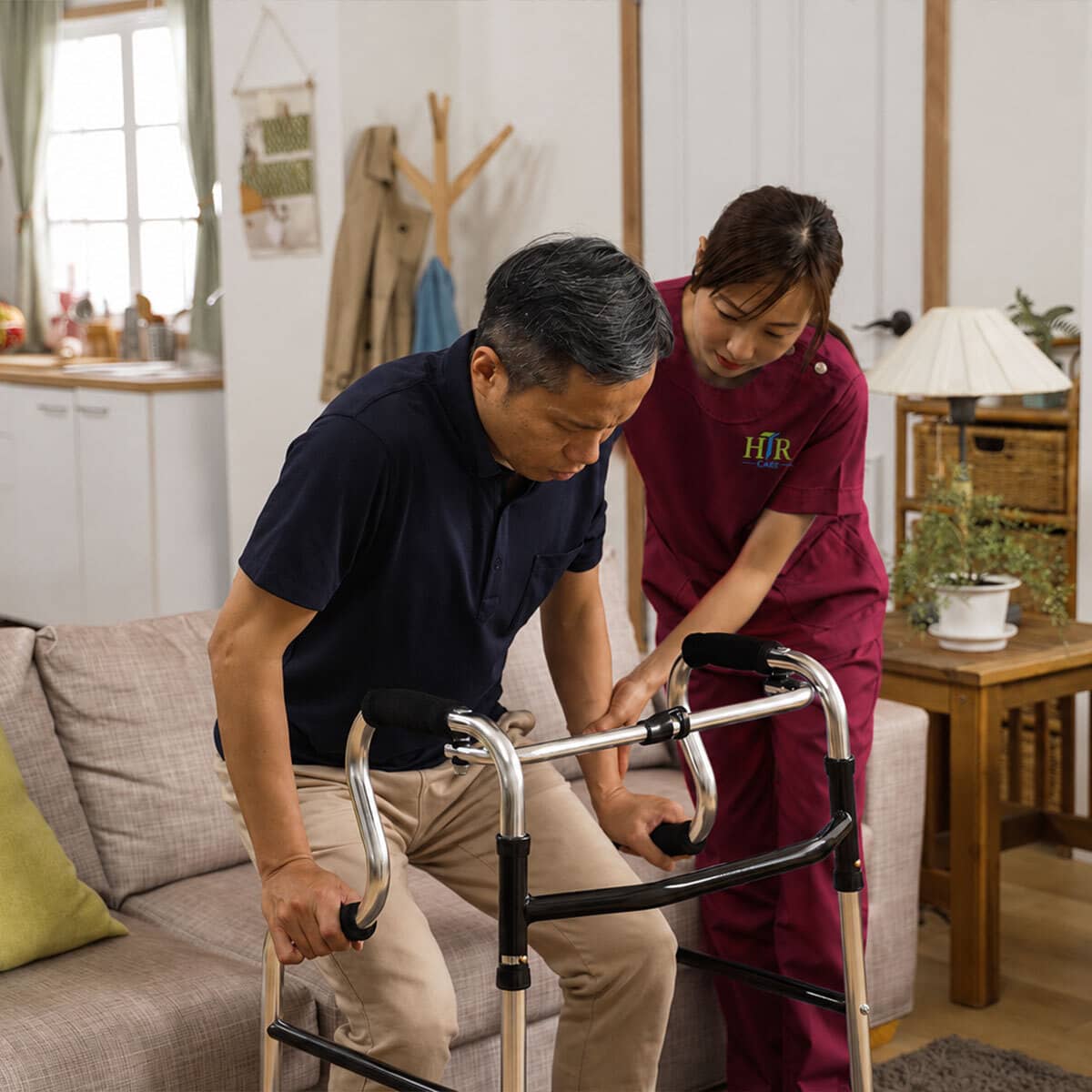
Mobility Support and Fall Prevention
We support safe movement at home, including getting in and out of bed, walking with aids, and moving around safely to reduce the risk of falls during recovery.
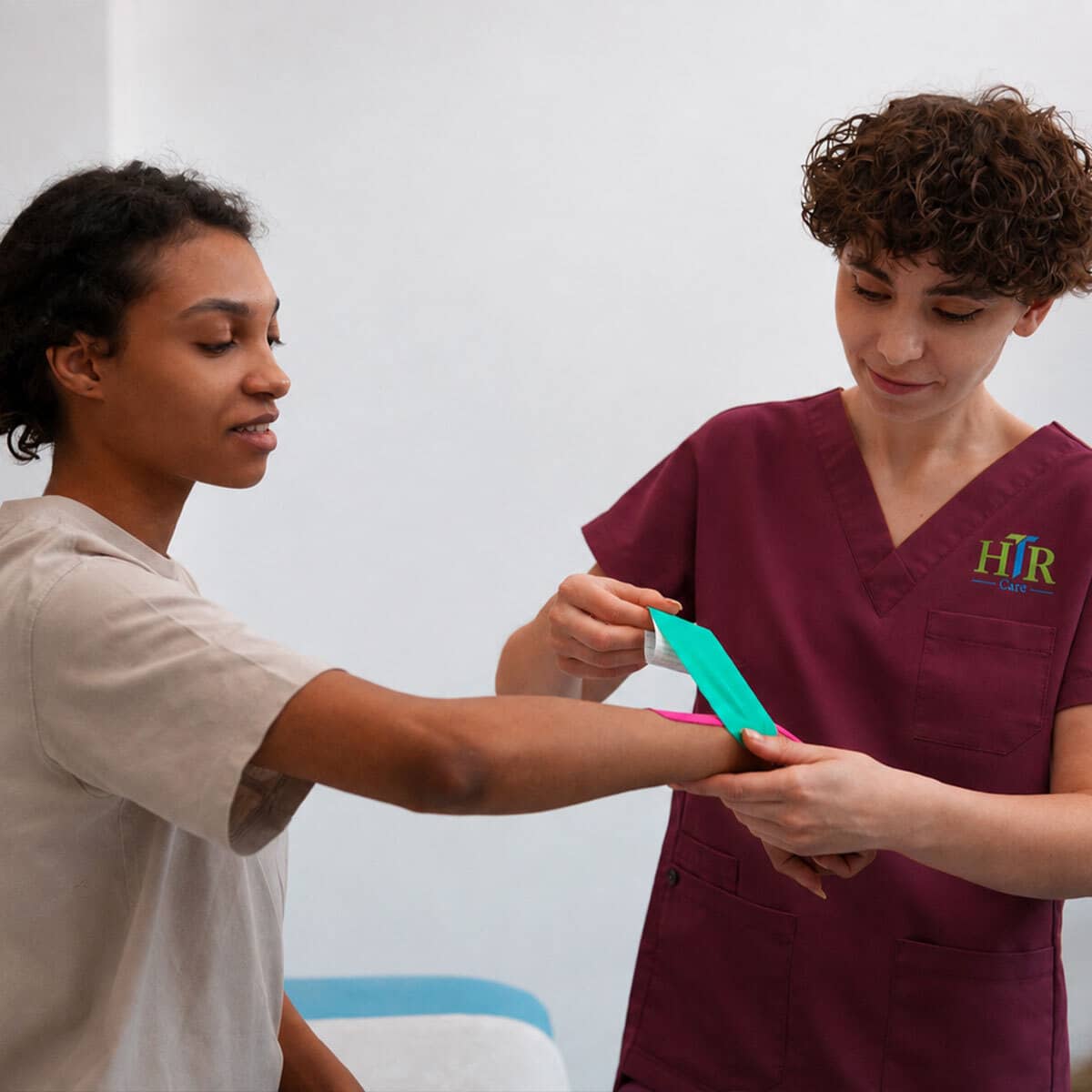
Wound Care and Monitoring
We monitor surgical sites and dressings, watching closely for infection, swelling, or delayed healing, and reporting concerns early to healthcare professionals.
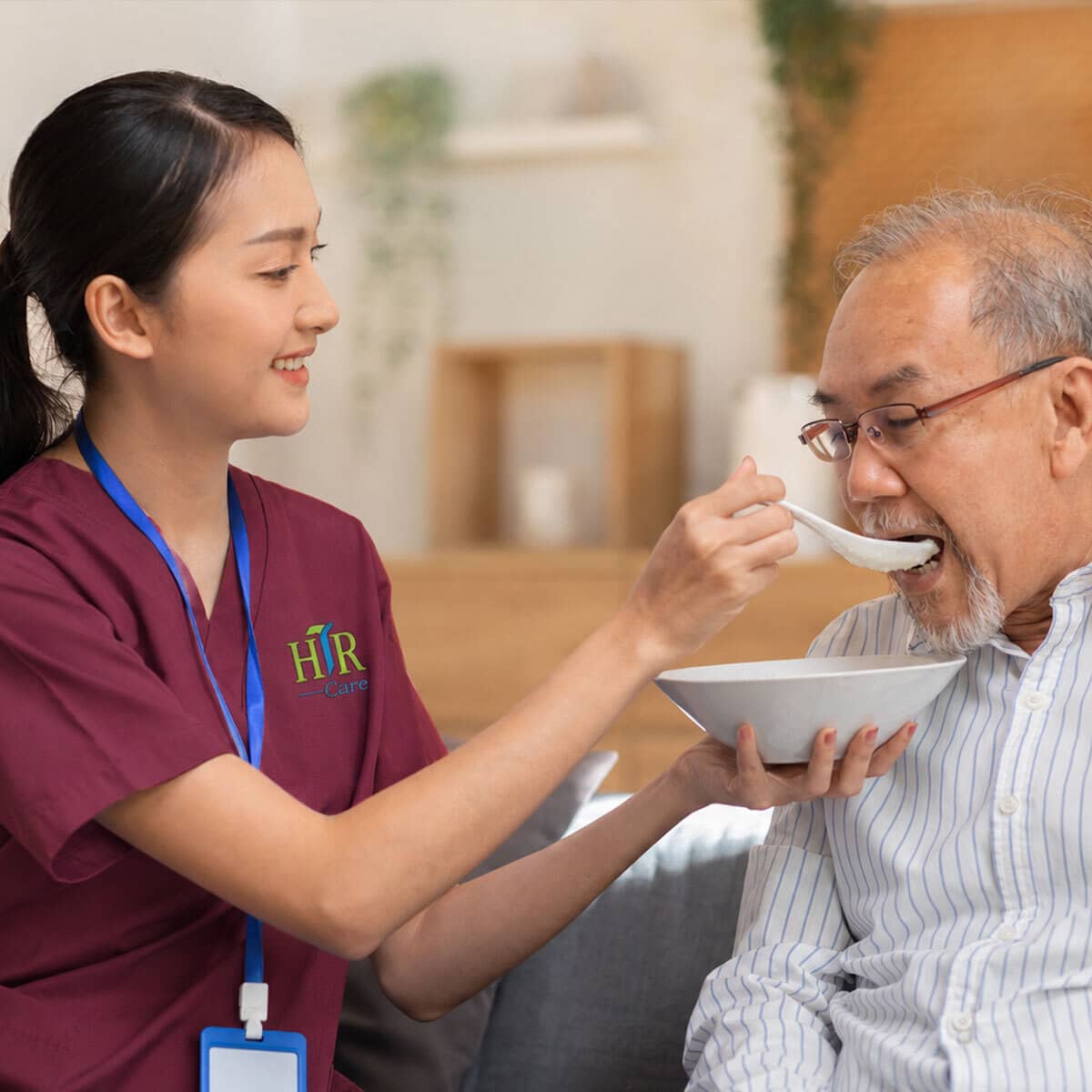
Meal Preparation and Nutrition
We prepare meals based on recovery needs, dietary instructions, and appetite changes so your loved one maintains strength during healing.

Reablement and Independence
We support your loved one in doing things themselves where possible - not rushing them, but rebuilding confidence step by step after hospital discharge.
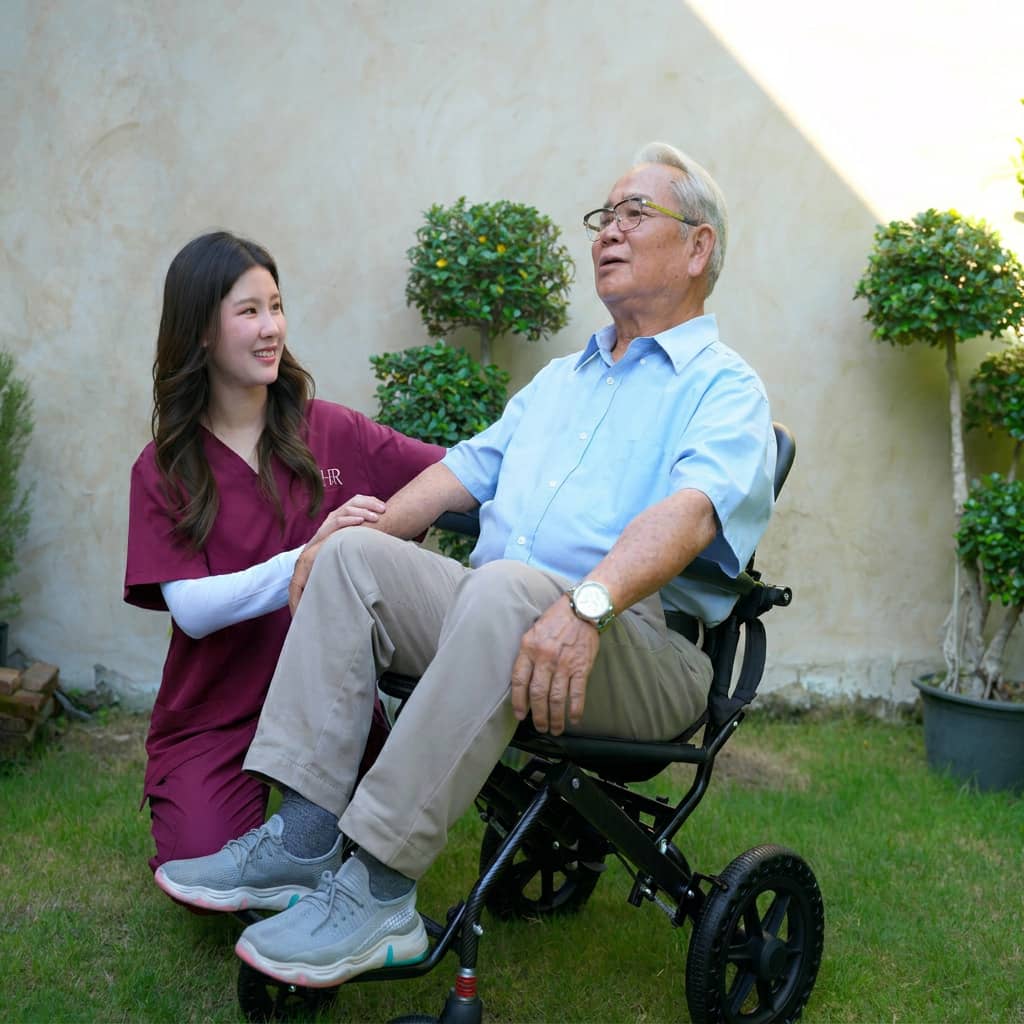
Companionship and Emotional Support
Recovery can feel emotionally heavy after hospital discharge. We provide steady reassurance so your loved one feels supported, not isolated, during this transition.

Coordination with NHS Teams
We work alongside discharge teams, district nurses, GPs, physiotherapists, and occupational therapists so recovery at home stays aligned with clinical care plans.
Why Families Choose HTR Care for After-Hospital Care
Care That Starts Quickly When It Matters
We can arrange after-hospital care within 24 hours, and sooner when urgent, so your loved one is supported immediately after discharge.
Smooth Transition From Hospital to Home
We ensure there is no gap in care between discharge and home recovery so your loved one does not feel unsupported at any point.
Regulated, Safe, and Trusted Care
HTR Care is regulated by the Care Quality Commission (CQC) and rated Good across all areas, with a strong 9/10 family rating across Greater London and surrounding areas.
Carers Matched to Recovery Needs
We match carers based on the type of recovery - whether post-surgery, stroke recovery, illness, or frailty - so care is always appropriate and consistent.
Care Built From Hospital Discharge Plans
We base every care plan directly on hospital discharge notes so your loved one receives exactly the right support at home.
Arranging Care with HTR Care
We understand that arranging home care can feel overwhelming at first, especially when families are already under pressure. That is why we keep the process simple and supportive from the beginning.
Speak with Our Team
A friendly conversation to understand your situation, answer questions, and talk through the support you may need.
Home Care Assessment
We arrange a care assessment to better understand routines, preferences, daily challenges, and the level of support required.
Begin Your Care
Once everything is agreed, we carefully match you with a suitable carer and begin support in a way that feels comfortable and familiar.
What Families Say About Us
Real stories from the people who matter most; the families we serve every day
The Areas We Cover
Frequently Asked Questions About After-Hospital Care
What is after-hospital care?
Why is after-hospital care important?
How quickly can after-hospital care start?
What does after-hospital care include day to day?
Is after-hospital care only for older people?
How long does after-hospital care last?
Can after-hospital care reduce the risk of going back to hospital?
Do you work with hospitals and NHS teams?
Is after-hospital care temporary?
Is HTR Care regulated and safe?
Send Us a Message
We aim to respond to all enquiries within 2 business hours.
Phone
020 3004 8402Email Us
[email protected]Opening Hours
Weekend: Emergency On-call Only