





Specialist Home Care for More Complex Medical Needs

Complex care is specialist home care for individuals with serious or long-term medical conditions who need ongoing clinical support alongside daily care at home. For example, someone living with Motor Neurone Disease may need help with mobility, feeding support, and medication throughout the day, while someone recovering from a spinal injury may require catheter care, repositioning, and rehabilitation support at home.
HTR Care has been providing complex care across Greater London and surrounding areas since 2017 from Belmont House, Uxbridge (UB8 1HE). All complex care arrangements are overseen by our Registered Manager, Rajen Jussun, a qualified Registered Nurse with more than 30 years of experience across NHS hospitals, rehabilitation settings, and private care services. HTR Care is regulated by the Care Quality Commission and rated Good across all five inspection domains: Safe, Effective, Caring, Responsive, and Well-Led. Complex care can often begin within 24 hours, or sooner in urgent situations.
What is Complex Care?
Complex care is a type of specialist home care for individuals living with serious, progressive, or long-term health conditions that require more support than standard home care can provide.
Alongside personal care and daily assistance, complex care also includes clinical support delivered by specially trained carers. This may involve tracheostomy care, PEG feeding, seizure management, ventilator support, catheter care, respiratory support, and specialist mobility assistance.
For example, someone living with Multiple Sclerosis may need support with transfers, medication, and fatigue management throughout the day, while someone recovering from a brain injury may need structured routines, rehabilitation support, and close monitoring at home.
More families across the UK are choosing home-based care because it allows loved ones to remain in familiar surroundings while receiving personalised one-to-one support.
Adults aged 85+ requiring 24-hour care are expected to nearly double by 2035, increasing demand for specialist home-based care.
Source: Homecare Association
Three Types of Complex Support
Clinical Procedures
Support with procedures such as catheter care, PEG feeding, wound care, tracheostomy care, and medication administration delivered safely at home.
Condition-Specific Support
Specialist care tailored around conditions such as MND, MS, acquired brain injury, epilepsy, spinal injury, and severe respiratory illness.
Personal & Daily Care
Support with washing, dressing, mobility, meals, routines, and emotional well-being adapted around personal and medical needs.
What Our Complex Care Service Covers

Dementia and Alzheimer's Disease Care
Dementia care at home should feel familiar, respectful, and adapted to each person’s condition.

Learning Disabilities Care
Our carers provide personalised learning disability support built around each person’s abilities and goals.

Motor Neurone Disease (MND) Care
We support people with MND through progressive, personalised care that protects comfort and dignity.

Palliative and End-of-Life Care
Our carers work closely with GPs, district nurses, and hospice teams for coordinated palliative care.
Parkinson's Disease Care
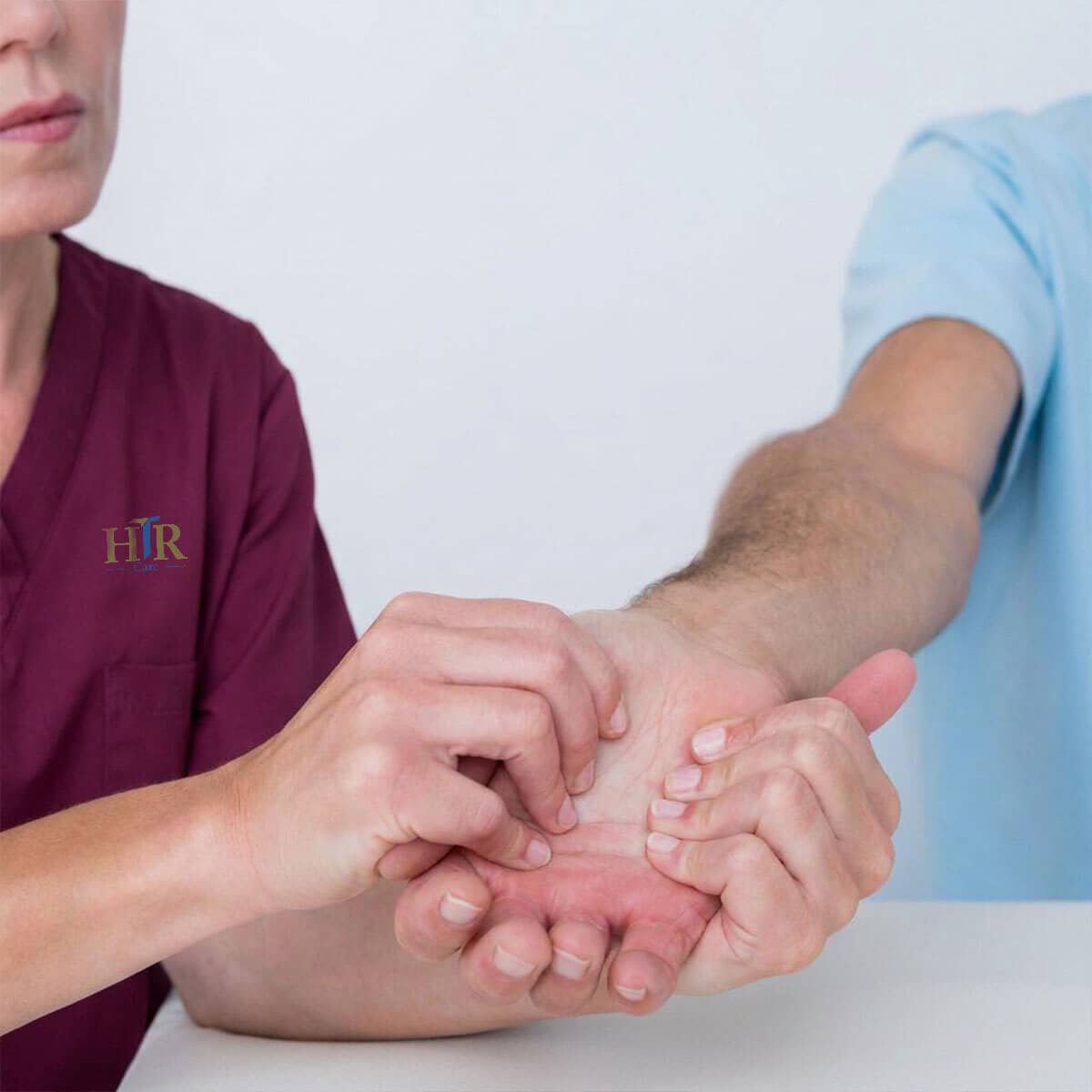
Our Parkinson’s carers support daily living, medication routines, mobility, and safer movement at home.

Reablement Services
We support recovery at home through practical reablement care focused on independence and confidence.

Spinal Injury Care
Our carers support spinal injury clients with personal care, mobility, catheter care, and skin monitoring.

Stroke Care
Our carers help clients regain confidence, mobility, and independence after a stroke.
Why Families Choose HTR Care for Complex Care
CQC Regulated and Trusted
HTR Care is regulated by the Care Quality Commission and rated Good across all inspection domains: Safe, Effective, Caring, Responsive, and Well-Led.
Your Loved One Always Comes First
We match carers based on your loved one’s needs, condition, personality, and daily routine, so care feels familiar even when someone new steps in.
Carefully Matched Carers
Every carer is selected based on verified training and experience. If your loved one has dementia, Parkinson’s, or mobility needs, we match someone who already understands that condition.
Introductions Before Care Begins
We always introduce the carer before care starts, so your loved one and family know exactly who is coming into the home. This reduces stress and builds trust from day one.
Joined-Up Support With NHS and Specialist Teams
We work alongside GPs, district nurses, hospital teams, and specialists to help ensure care remains coordinated, consistent, and responsive as needs change.
Arranging Care with HTR Care
We understand that arranging home care can feel overwhelming at first, especially when families are already under pressure. That is why we keep the process simple and supportive from the beginning.
Speak with Our Team
A friendly conversation to understand your situation, answer questions, and talk through the support you may need.
Home Care Assessment
We arrange a care assessment to better understand routines, preferences, daily challenges, and the level of support required.
Begin Your Care
Once everything is agreed, we carefully match you with a suitable carer and begin support in a way that feels comfortable and familiar.
What Families Say About Us
Real stories from the people who matter most; the families we serve every day
The Areas We Cover
Frequently Asked Questions About Complex Care
What is complex care at home?
How much does complex care cost?
What is the difference between complex care and standard domiciliary care?
Who qualifies for complex care at home?
Can complex care at home be funded by the NHS?
What clinical procedures can carers perform at home?
How long does complex care last?
How is complex care different from nursing home care?
Send Us a Message
We aim to respond to all enquiries within 2 business hours.
Phone
020 3004 8402Email Us
[email protected]Opening Hours
Weekend: Emergency On-call Only