





Companionship Care That Brings Meaningful Connection

Companionship care is a home care service focused on social interaction, emotional support, and meaningful human connection. Visits can include conversation, hobbies, outings, meal preparation, and light household tasks, all arranged around the individual's interests and daily routine. It is suitable for older adults living alone, people feeling isolated, those who have been bereaved, individuals recovering from illness, or anyone who would benefit from regular company. Companionship care can also be combined with personal care or medication support if required.
HTR Care has been providing companionship care across Greater London and surrounding areas since 2017. HTR Care is regulated by the Care Quality Commission and rated Good across all five inspection domains. We carefully match carers based on personality, interests, language, and cultural background, and introduce them before the first visit. In most cases, care can begin within 24 to 48 hours of first contact.
What is Companionship Care?
Companionship care is a type of home support focused on social interaction and emotional well-being, centred on conversation, shared activities, and consistent human connection. With 940,000 older people in the UK often lonely, and this figure projected to reach 1.2 million by 2034, companionship care is a direct response to a growing public health challenge, bringing regular social contact to older adults who might otherwise go days without meaningful human connection.
Loneliness has measurable consequences for physical health, established to be as harmful as smoking 15 cigarettes per day, and is linked to cognitive decline, depression, heart disease, and stroke. The NHS now formally recognises social connection as a health intervention, with research showing that every £1 invested in an effective loneliness intervention can save up to £3 in health costs. Companionship care at home is one of the most direct and personalised forms of this intervention available.
The number of older people in the UK who are often lonely is projected to grow from 940,000 today to 1.2 million by 2034, making companionship care an urgent and growing need.
Source: Age UK
Three Main Types of Companionship Support
Social & Emotional Connection
Genuine conversation, shared activities, and trusted emotional support built around the individual's personality and interests.
Outings & Community Engagement
Accompanied walks, appointments, shopping trips, and social visits to keep older adults connected to the world outside their home.
Cognitive Stimulation & Reminiscence
Life story activities, memory games, reading, puzzles, and music to support brain health and emotional wellbeing.
What Our Companionship Care Includes

Conversation and Social Engagement
Our companionship carers offer genuine conversation, shared interests, and meaningful connections at every visit.
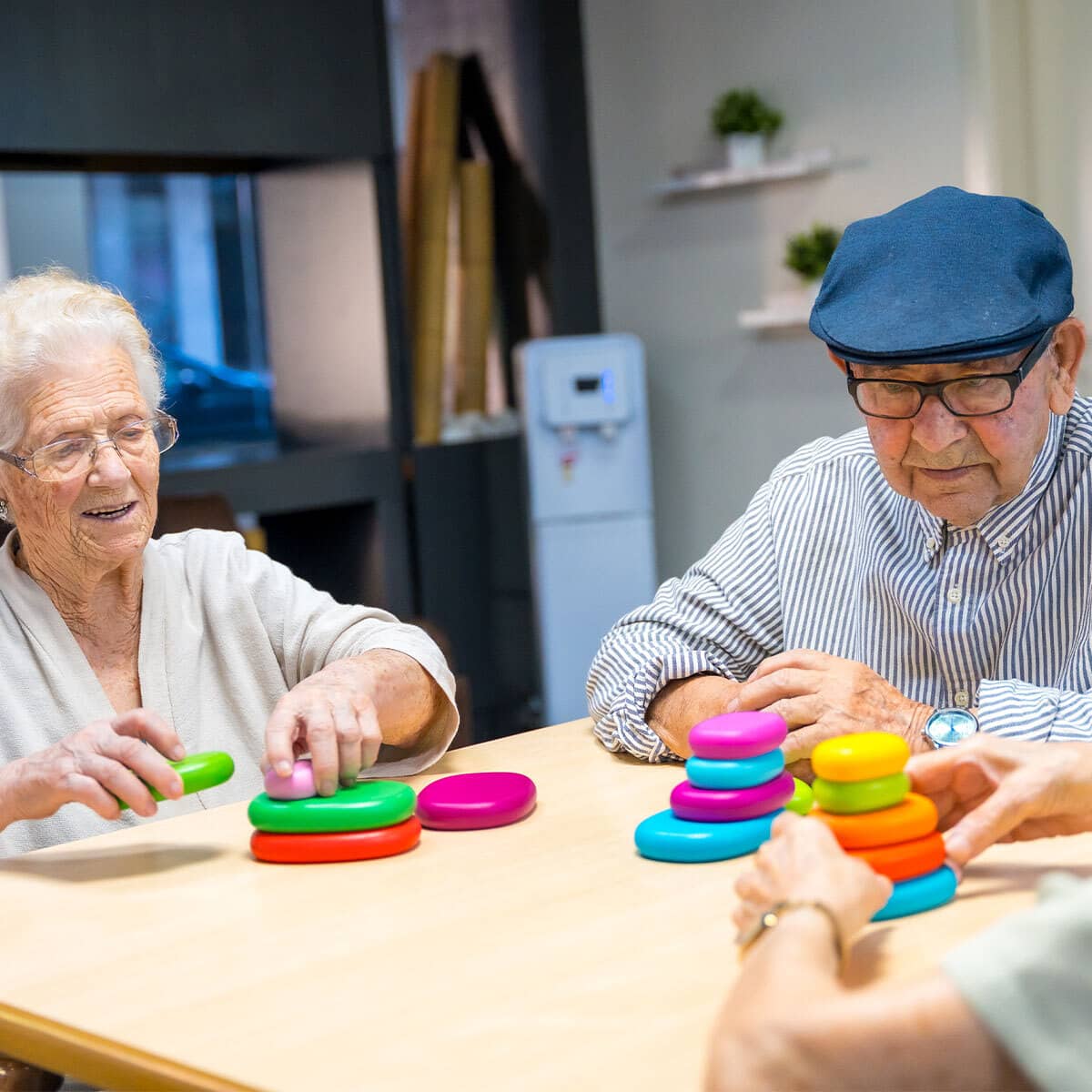
Hobbies and Activities at Home
Our companionship carers share personalised games and activities that bring joy, purpose, and connection.

Meal Preparation and Shared Mealtimes
Our companionship carers make mealtimes social, enjoyable, and suited to each client’s needs.

Accompanied Outings
Our companionship carers support safe outings that protect confidence, independence, and community connection.

Reminiscence and Life Story Activities
Our carers use photographs, music, mementos, and conversation to support reminiscence and wellbeing.

Light Housekeeping and Home Comfort
Our companionship carers provide light housekeeping to keep homes safe, comfortable, and welcoming.

Cognitive Stimulation and Brain Health
Our carers support cognitive stimulation through conversation, reading, puzzles, quizzes, and memory games.
Why Families Choose HTR Care for Companionship Care
CQC Regulated and Trusted
HTR Care is regulated by the Care Quality Commission and rated Good across all inspection domains: Safe, Effective, Caring, Responsive, and Well-Led.
Your Loved One Always Comes First
We match carers based on your loved one’s needs, condition, personality, and daily routine, so care feels familiar even when someone new steps in.
Carefully Matched Carers
Every carer is selected based on verified training and experience. If your loved one has dementia, Parkinson’s, or mobility needs, we match someone who already understands that condition.
Introductions Before Care Begins
We always introduce the carer before care starts, so your loved one and family know exactly who is coming into the home. This reduces stress and builds trust from day one.
Fast Support When You Need It
Care at home can be arranged within 24 hours, and sooner in urgent situations. This ensures your loved one is never left without support, even when plans change suddenly.
Arranging Care with HTR Care
We understand that arranging home care can feel overwhelming at first, especially when families are already under pressure. That is why we keep the process simple and supportive from the beginning.
Speak with Our Team
A friendly conversation to understand your situation, answer questions, and talk through the support you may need.
Home Care Assessment
We arrange a care assessment to better understand routines, preferences, daily challenges, and the level of support required.
Begin Your Care
Once everything is agreed, we carefully match you with a suitable carer and begin support in a way that feels comfortable and familiar.

What Families Say About Us
Real stories from the people who matter most; the families we serve every day
The Areas We Cover
Frequently Asked Questions About Companionship Care
What does companionship care involve?
Is companionship care the same as personal care?
How does companionship care help with loneliness?
How often do companionship carers visit?
Can companionship care be arranged for someone with dementia?
Is companionship care available through the NHS?
What if my loved one refuses to have a carer at home?
How quickly can companionship care start in London?
Can companionship care include help with daily tasks?
Send Us a Message
We aim to respond to all enquiries within 2 business hours.
Phone
020 3004 8402Email Us
[email protected]Opening Hours
Weekend: Emergency On-call Only