
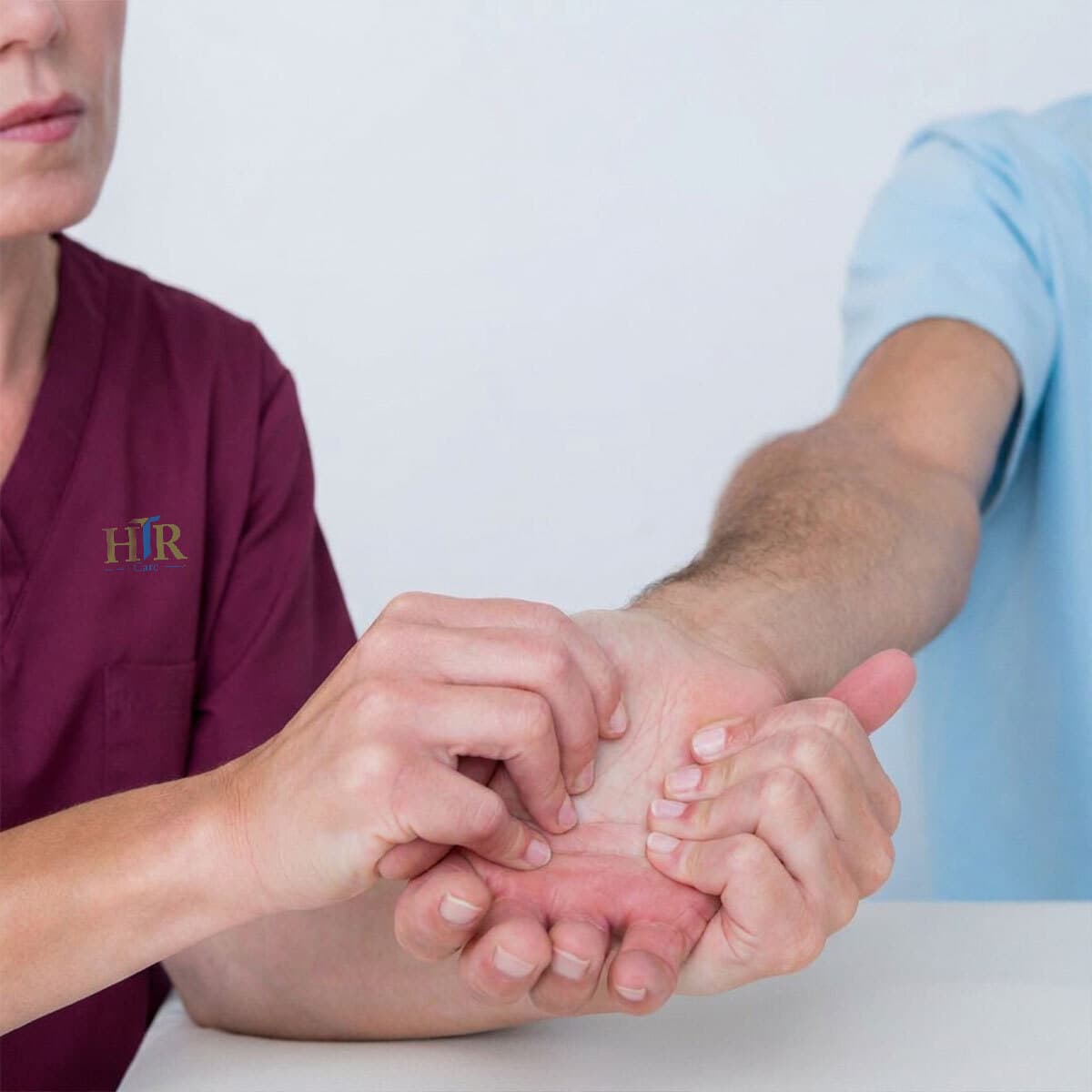
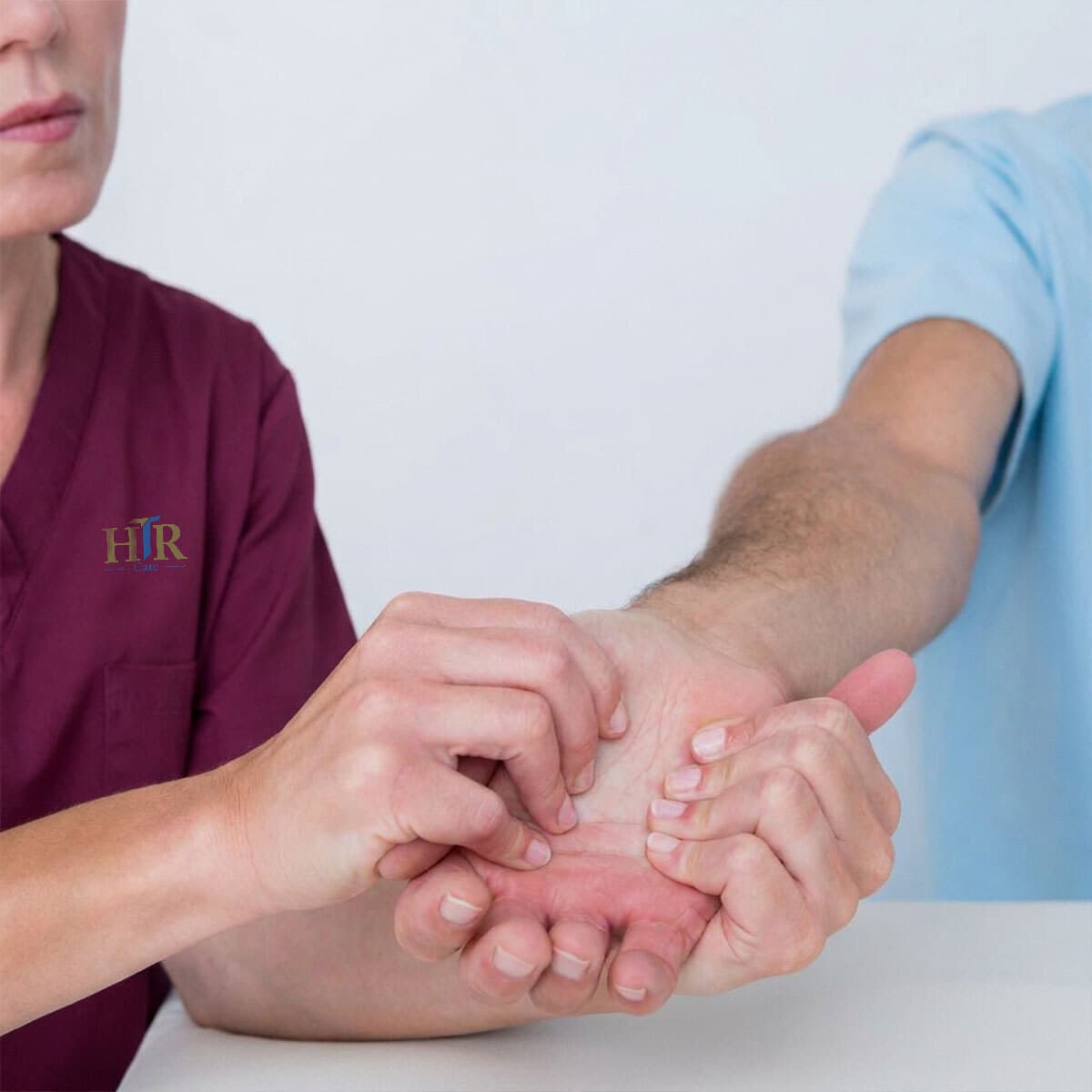



Parkinson's Care That Keeps Pace With Your Condition
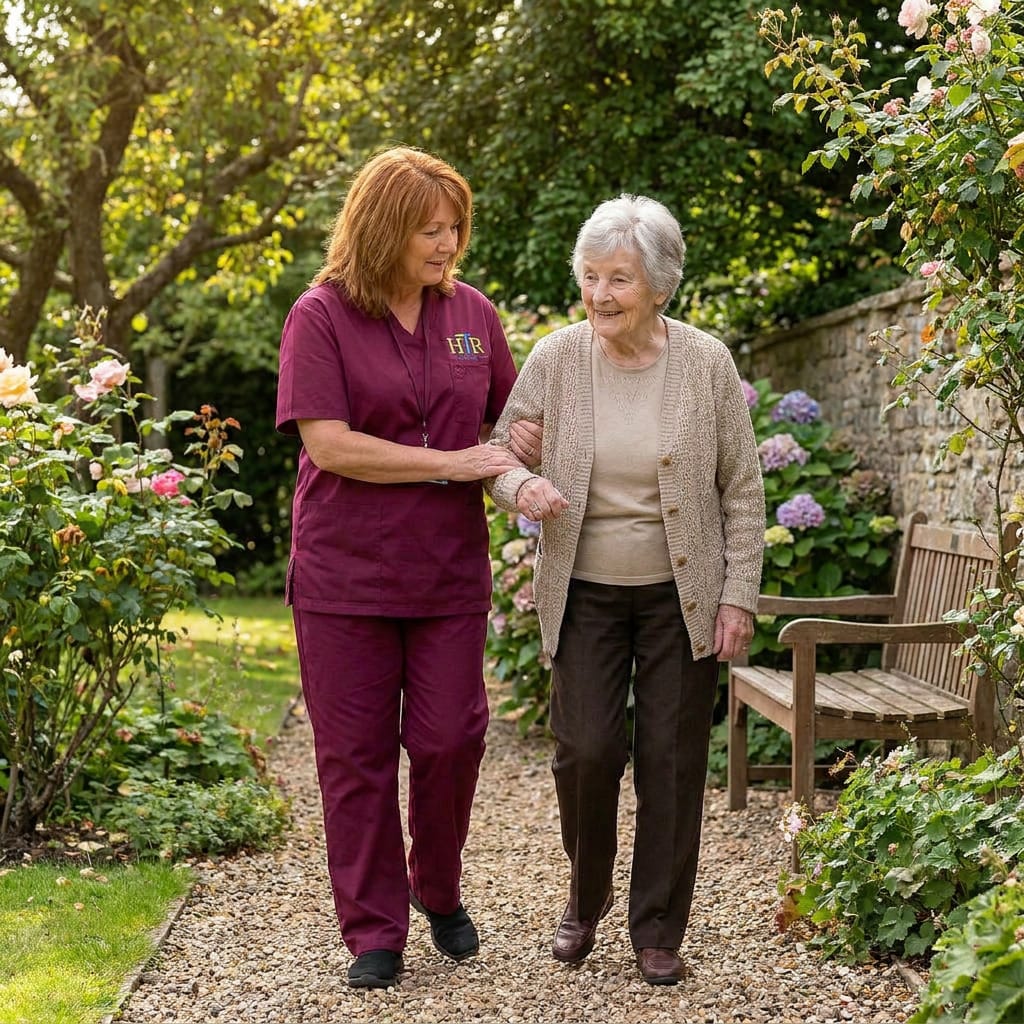
Parkinson's disease care at home is specialist home care designed specifically around how Parkinson's affects daily life at every stage of the condition. Parkinson's care differs from general elderly care because the timing of each activity, including washing, dressing, eating, and movement, must be carefully aligned with the medication cycle to keep symptoms as stable as possible throughout the day.
HTR Care has provided specialist Parkinson's disease care across Greater London and surrounding areas since 2017. HTR Care is regulated by the Care Quality Commission and rated Good across all five inspection domains. We coordinate with Parkinson's nurse specialists, neurologists, and community physiotherapists to ensure each care plan remains aligned with the client's clinical treatment and changing needs.
What is Parkinson's Disease Care at Home?
Parkinson's disease care at home is a specialist type of home care for people living with Parkinson's disease, requiring carers who understand how the condition affects movement, medication response, speech, swallowing, sleep, and mood. With 166,000 people currently diagnosed with Parkinson's in the UK, a new diagnosis occurring every 20 minutes, and prevalence projected to reach 172,505 by 2030, the demand for specialist Parkinson's care at home will continue to grow significantly.
Parkinson's disease is progressive, meaning symptoms worsen over time and care needs increase considerably from earlier to later stages. With up to 60% of people with Parkinson's falling at least once per year, professional Parkinson's care at home provides the trained, consistent support needed to manage this increasing care burden safely, serving people at every age and stage of the condition and not just older adults in advanced stages.
Daily care activities needed increase from an average of 11 in the early stages to 30 in the later stages of Parkinson's, reflecting how significantly care needs grow as the condition progresses.
Source: Parkinson's UK
Three Main Types of Parkinson's Care Support
Medication and ON/OFF Support
Precise medication timing structured around the client's ON and OFF cycle to keep symptoms as stable as possible throughout each day.
Mobility and Fall Prevention
Safe movement support, freezing of gait management using cueing techniques, and consistent fall prevention throughout the day and night.
Personal Care and Daily Living
All personal care, swallowing-safe meal preparation, physiotherapy exercise support, and night-time care adapted to every stage of Parkinson's.
What Our Parkinson's Care Covers at Home

Medication Management and the ON/OFF Cycle
Parkinson’s-trained carers provide medication, care, meals, and mobility support around each client’s ON/OFF periods.

Personal Care Adapted to Parkinson's Symptoms
Our Parkinson’s carers provide personal care carefully to protect dignity, safety, and mobility.

Meal Preparation and Swallowing Safety
Fresh meals prepared according to dietary needs, preferences, and established eating routines so nothing changes in daily life.

Mobility and Daily Support
Safe support with moving around the home, transfers, and daily tasks, helping your loved one stay confident and comfortable.

Communication and Emotional Support
Our Parkinson’s carers provide emotional support, patient communication, and dignity-focused care through every stage.

Overnight Support
Night-time care where needed, including reassurance, toileting support, repositioning, or supervision.

Coordination with the Parkinson's Clinical Team
HTR Care coordinates with clinical teams to keep Parkinson’s care safe, responsive, and joined-up.
Why Families Choose HTR Care for Parkinson's Support
CQC Regulated and Trusted
HTR Care is regulated by the Care Quality Commission and rated Good across all inspection domains: Safe, Effective, Caring, Responsive, and Well-Led.
Your Loved One Always Comes First
We match carers based on your loved one’s needs, condition, personality, and daily routine, so care feels familiar even when someone new steps in.
Carefully Matched Carers
Every carer is selected based on verified training and experience. If your loved one has dementia, Parkinson’s, or mobility needs, we match someone who already understands that condition.
Introductions Before Care Begins
We always introduce the carer before care starts, so your loved one and family know exactly who is coming into the home. This reduces stress and builds trust from day one.
Fast Support When You Need It
Care at home can be arranged within 24 hours, and sooner in urgent situations. This ensures your loved one is never left without support, even when plans change suddenly.
Arranging Care with HTR Care
We understand that arranging home care can feel overwhelming at first, especially when families are already under pressure. That is why we keep the process simple and supportive from the beginning.
Speak with Our Team
A friendly conversation to understand your situation, answer questions, and talk through the support you may need.
Home Care Assessment
We arrange a care assessment to better understand routines, preferences, daily challenges, and the level of support required.
Begin Your Care
Once everything is agreed, we carefully match you with a suitable carer and begin support in a way that feels comfortable and familiar.
What Families Say About Us
Real stories from the people who matter most; the families we serve every day
The Areas We Cover
Frequently Asked Questions About Parkinson's Disease Care
What does Parkinson's care at home include?
What is the ON/OFF cycle in Parkinson's and why does it matter for care?
Can someone with Parkinson's live at home?
How does Parkinson's care change as the condition progresses?
What is freezing of gait in Parkinson's and how is it managed at home?
Can Parkinson's care at home be funded by the NHS?
When should I arrange professional Parkinson's care at home?
Is HTR Care regulated to provide Parkinson's disease care?
How many hours of Parkinson's care can I arrange?
Can Parkinson's carers help with medication reminders?
Send Us a Message
We aim to respond to all enquiries within 2 business hours.
Phone
020 3004 8402Email Us
[email protected]Opening Hours
Weekend: Emergency On-call Only