



Care That Continues When Your Usual Carer Steps Away
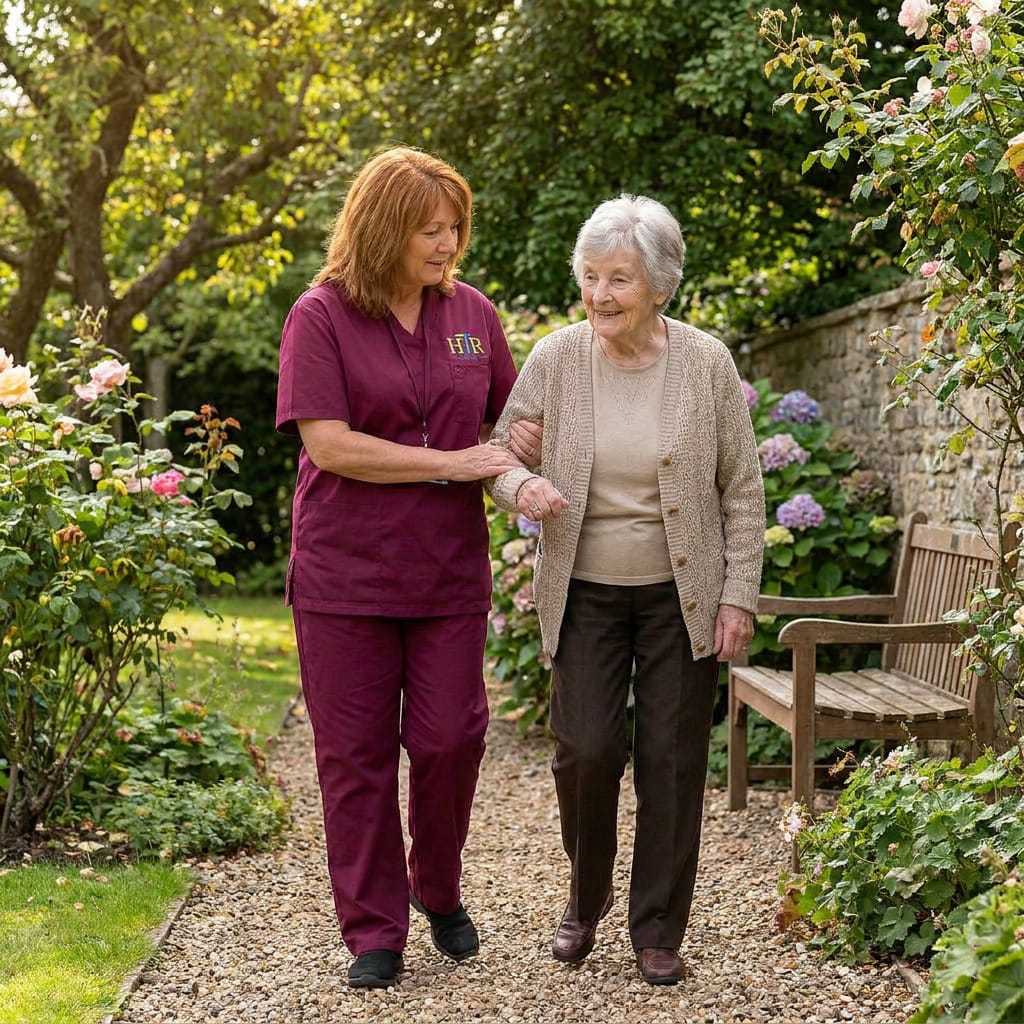
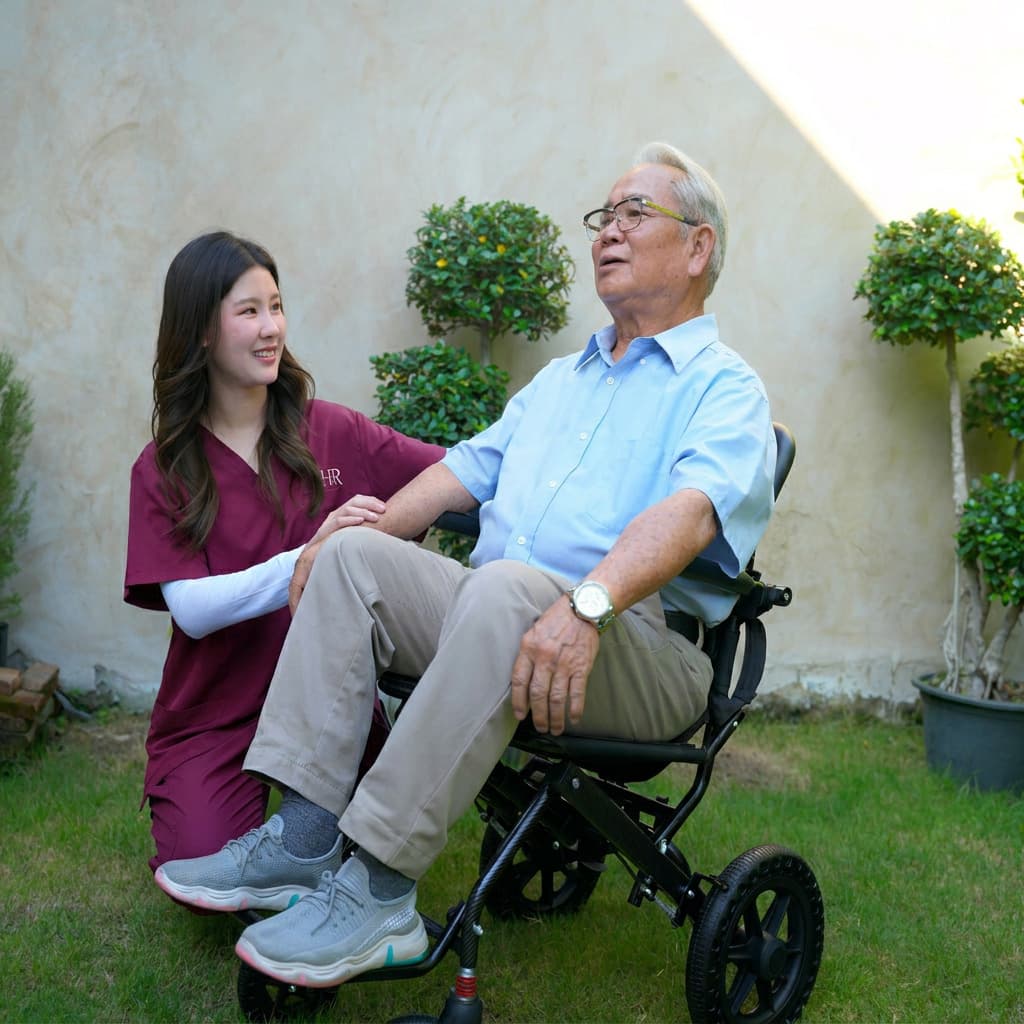
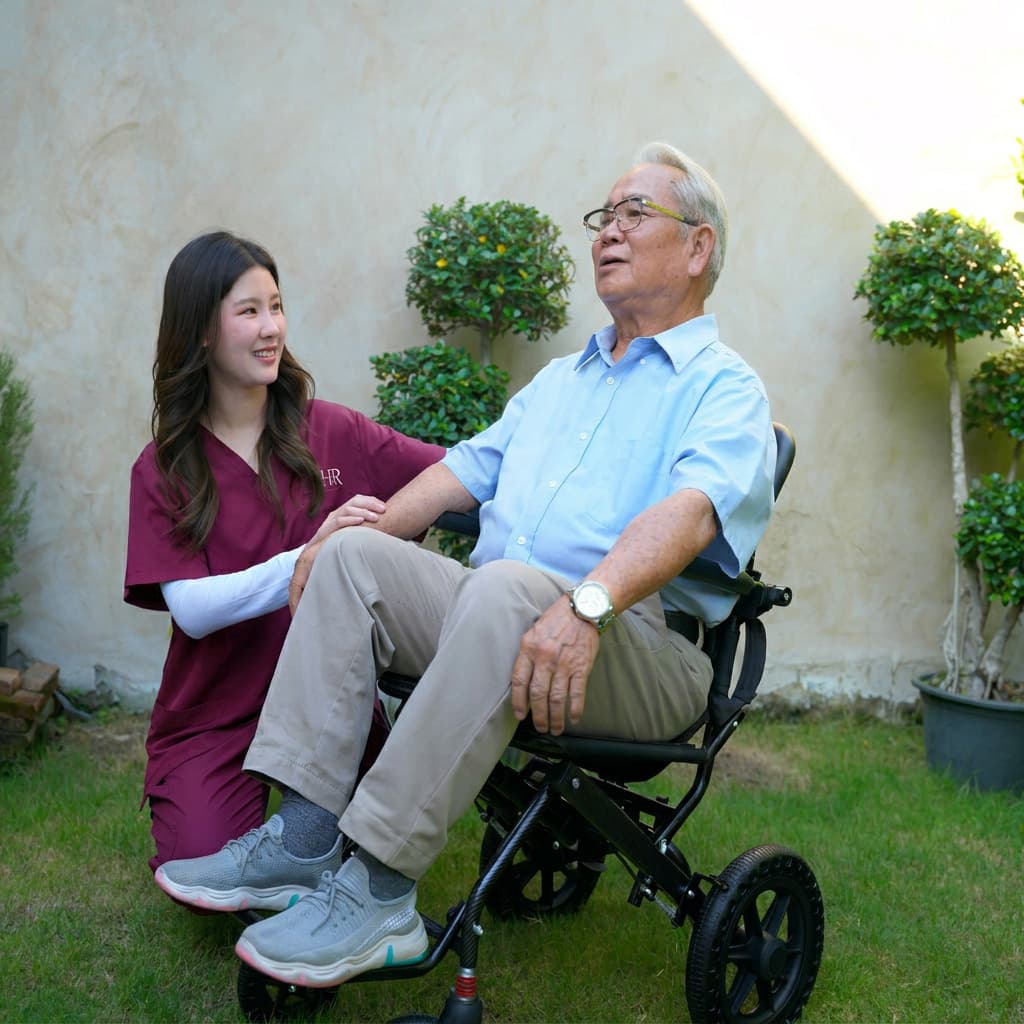
Elderly care is home-based support for older adults who need help with everyday living while continuing to stay in their own home. It is designed around real daily needs rather than one-off tasks, and can include personal care, medication support, meal preparation, mobility assistance, companionship, and help with light household routines. Support can be arranged for a few hours a week, daily visits, overnight care, or full live-in arrangements, depending on what your loved one needs.
HTR Care has been providing elderly care across Greater London and surrounding areas since 2017, operating from Belmont House, Belmont Road, Uxbridge UB8 1HE. We are regulated by the Care Quality Commission and rated Good across all five inspection domains, reflecting consistent standards of safety, compassion, and reliability. We match carers carefully to each person so your loved one is supported by someone who understands their needs, personality, and routine. In most cases, elderly care can begin within 24 hours of first contact - sooner in urgent situations.
What is Elderly Care?
Elderly care means regular, practical, and emotional support delivered at home so your loved one can continue living safely and independently. It is arranged when daily tasks become harder due to age, frailty, illness, or reduced mobility.
Support is not limited to one type of need. It adapts as life changes, helping with both health-related tasks and everyday living so your loved one does not have to struggle alone.
This includes personal care, medication routines, meals, mobility support, companionship, and overnight care if required.
Across the UK, more people are living longer with multiple long-term conditions, and many families are taking on caring responsibilities without formal support. Elderly care at home helps bridge that gap by providing trained carers who can step in consistently, reducing pressure on families while improving safety and well-being at home.
75% of people aged 75 have more than one long-term health condition, rising to 82% by age 85, highlighting the growing complexity of care needs in older age. Source: NHS England
Source: NHS England
Three Main Types of Elderly Care
Personal & Daily Support
Washing, dressing, meal preparation, and housekeeping delivered consistently and with dignity every day.
Health & Medication Support
Medication management, health monitoring, and direct coordination with GPs and district nurses.
Companionship & Wellbeing
Regular social engagement, accompanied outings, and emotional support to reduce isolation and support mental health.
What Our Elderly Care Service Covers

Personal Care at Home
Personal care includes help with washing, bathing, dressing, grooming, toileting, and continence support.

Medication Support
Ensuring medication is taken safely and on time, following existing prescriptions and care plans, and coordinating with health professionals if needed.

Meal Preparation and Nutrition
Fresh meals prepared according to dietary needs, preferences, and established eating routines so nothing changes in daily life.
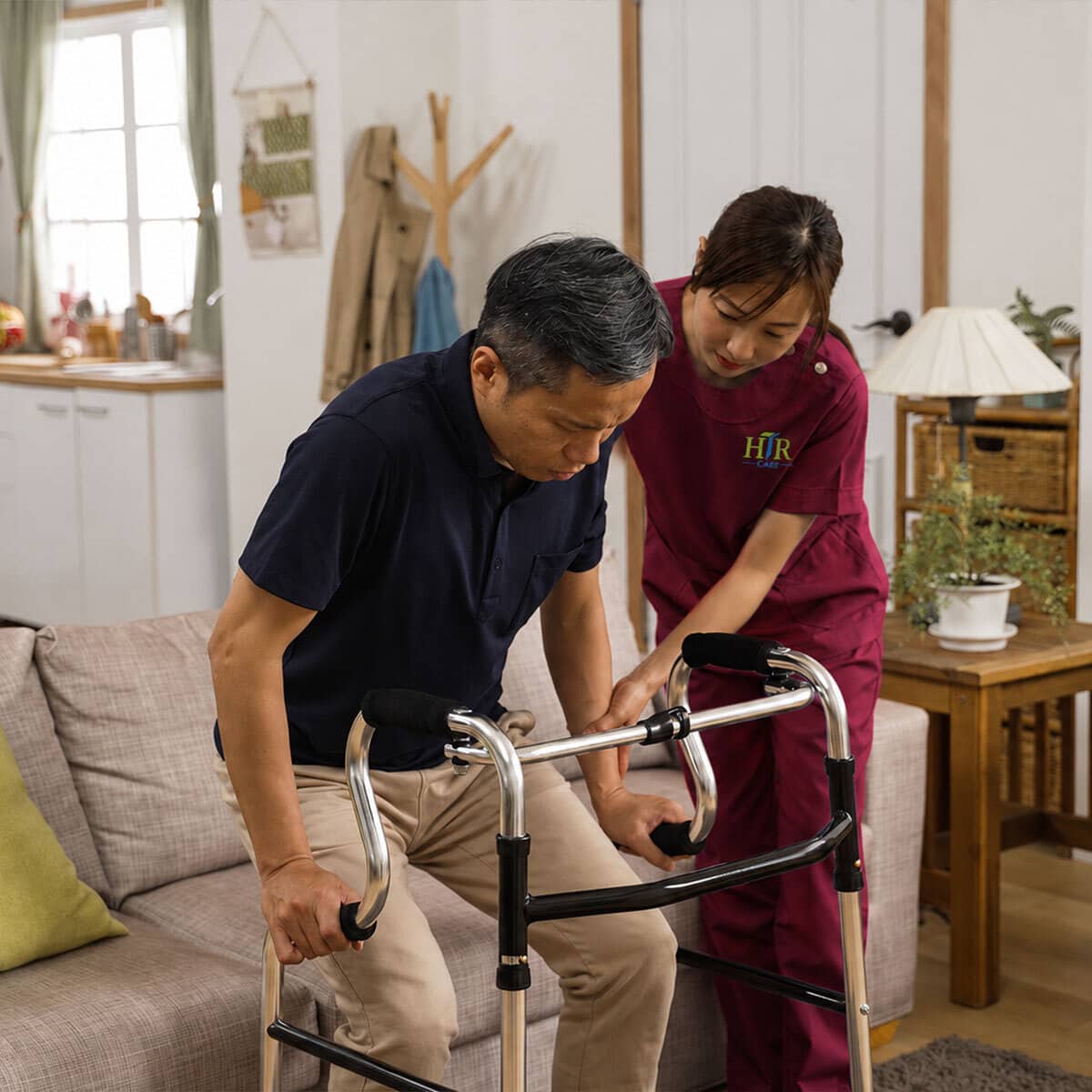
Mobility and Daily Support
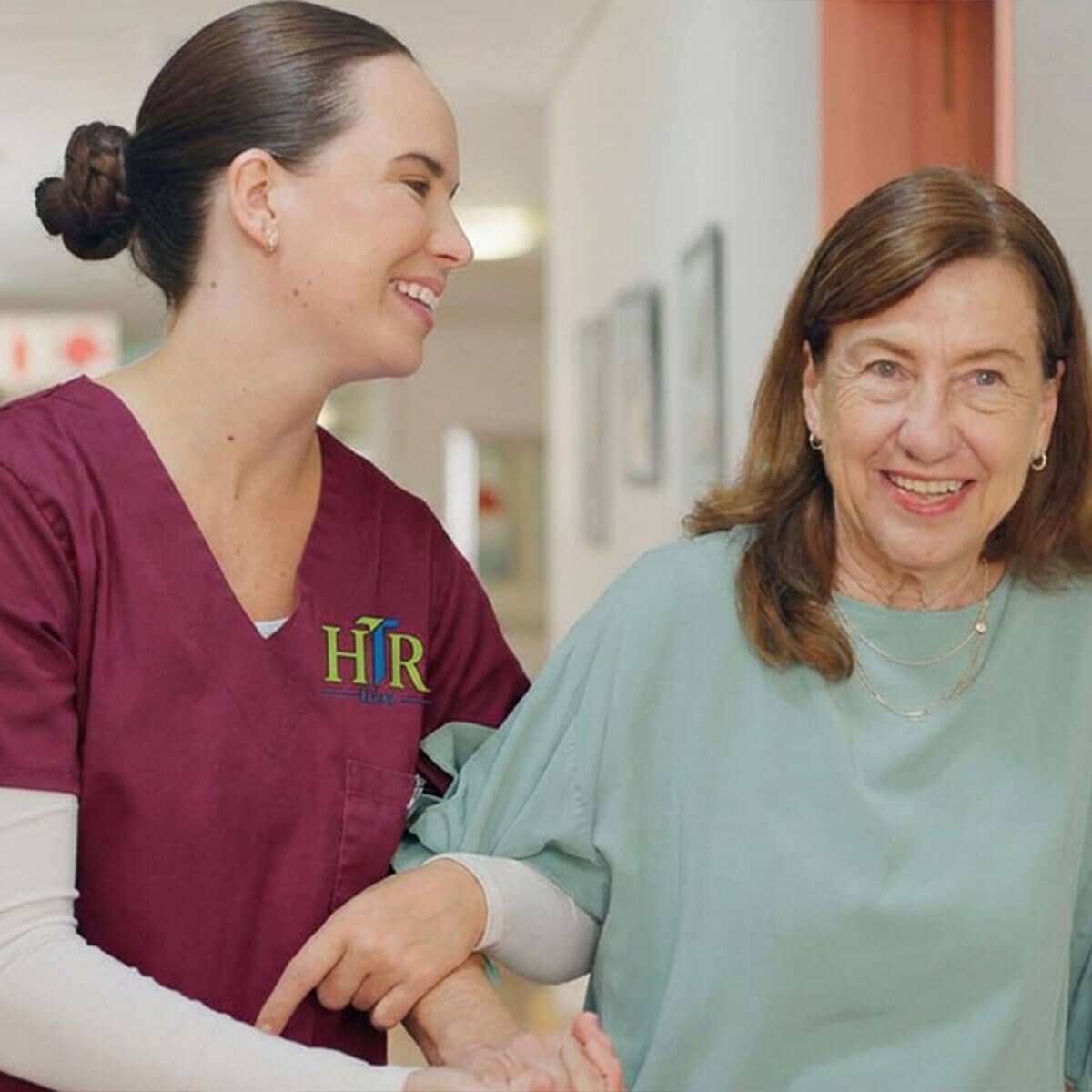
Safe support with moving around the home, transfers, and daily tasks, helping your loved one stay confident and comfortable.
Companionship and Daily Conversation
A steady, friendly presence that reduces loneliness and keeps emotional well-being supported while the usual carer is away.
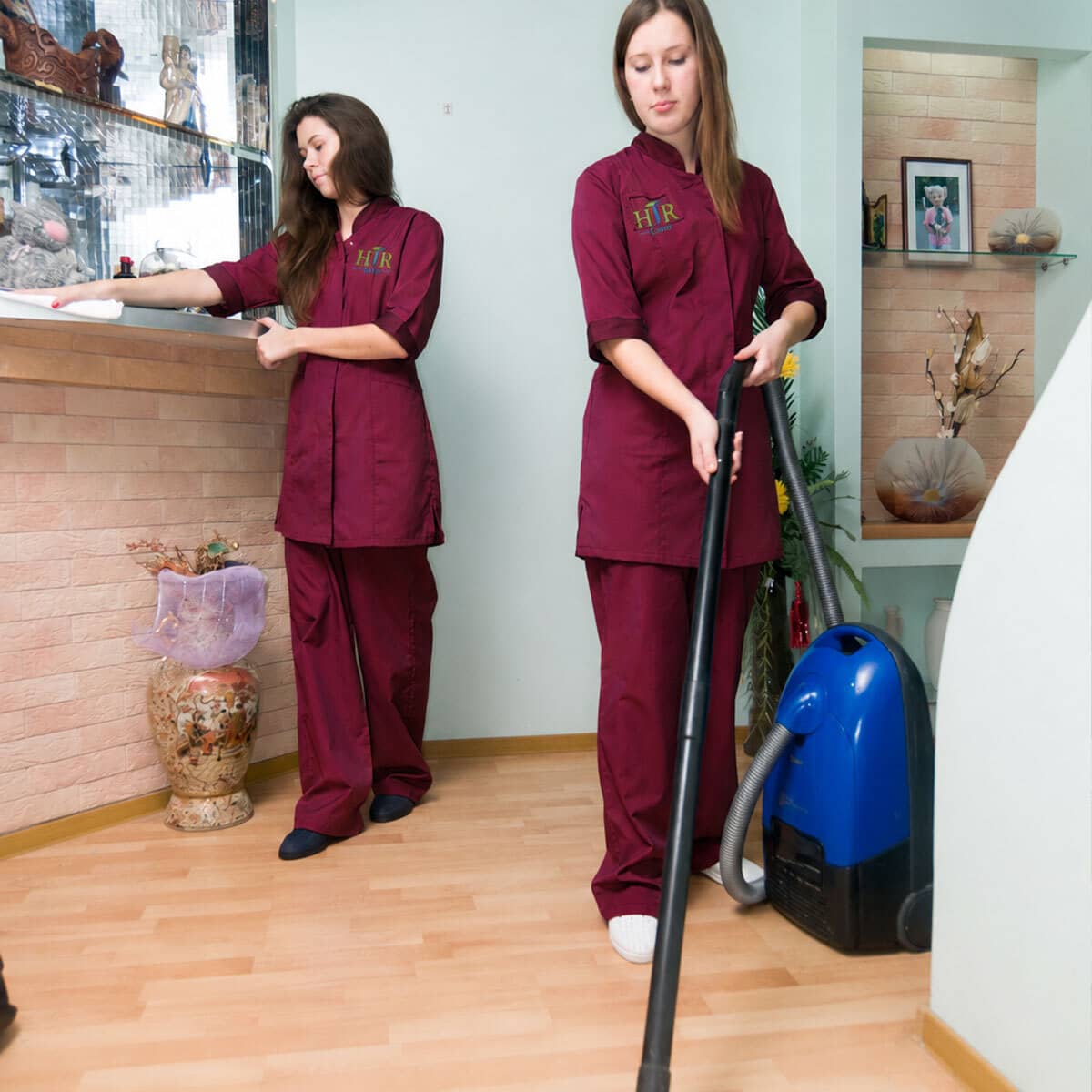
Household Support
Light household tasks such as cleaning, laundry, and keeping the home safe and comfortable so everything feels settled.
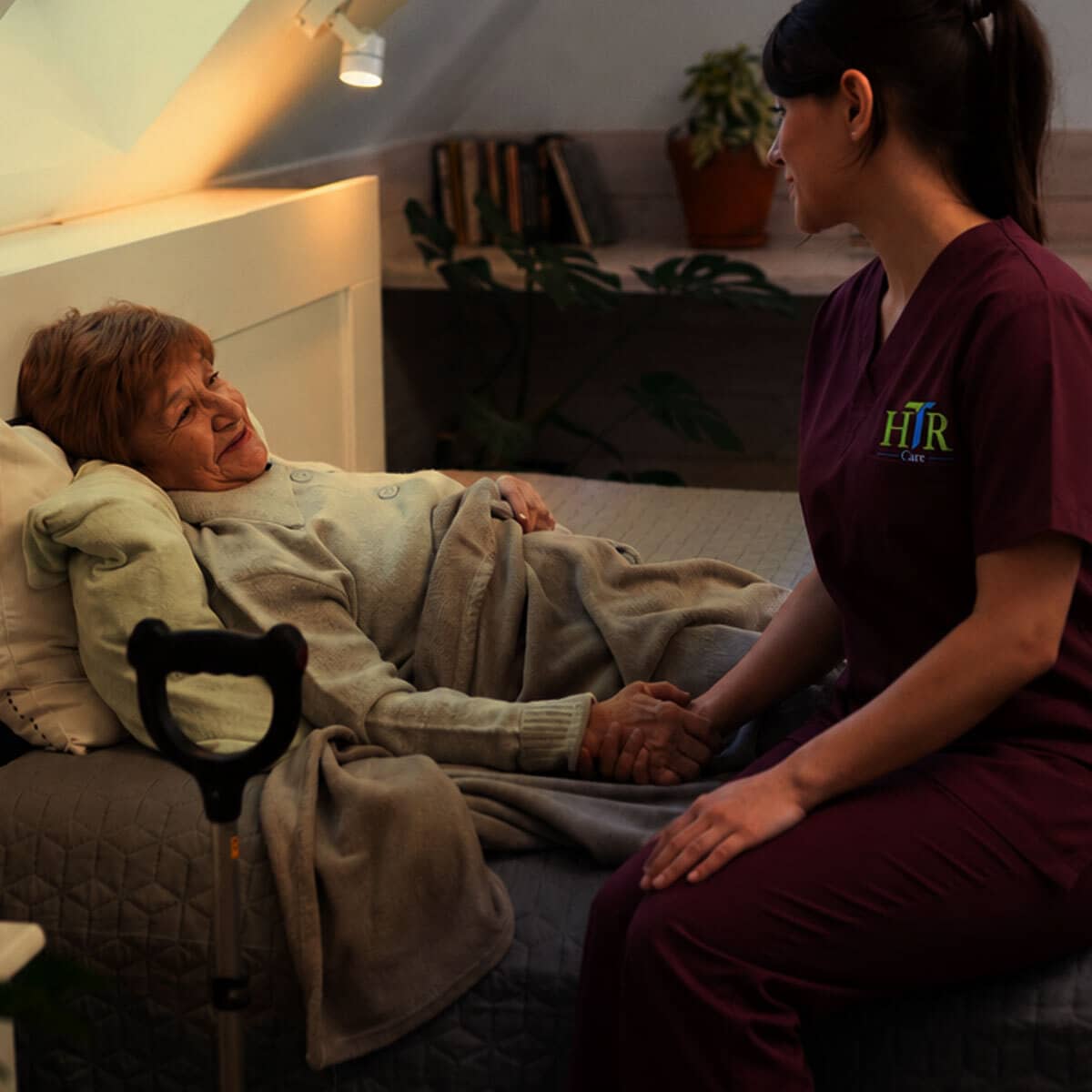
Overnight Support
Night-time care where needed, including reassurance, toileting support, repositioning, or supervision.
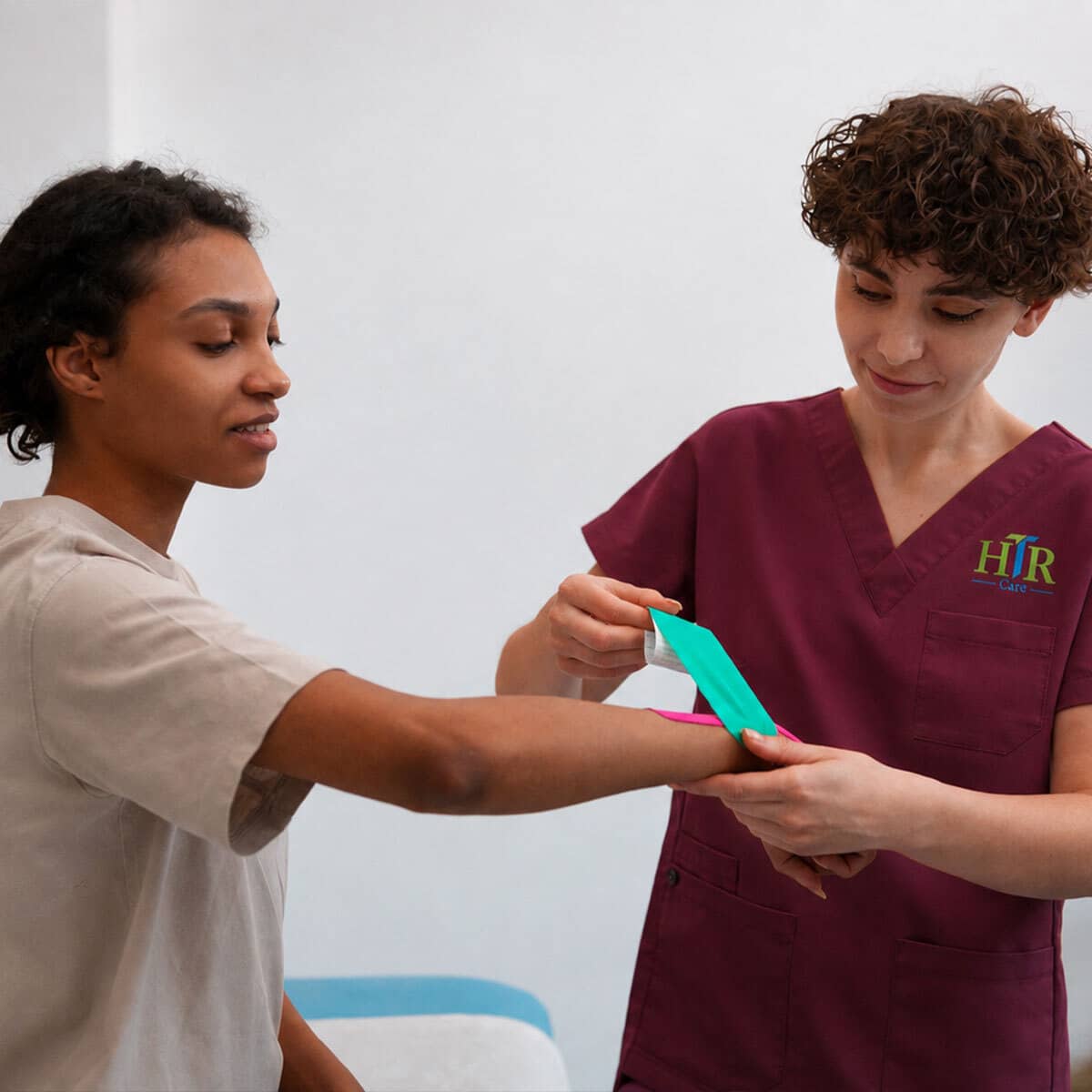
Health Monitoring and Family Updates
Our carers observe changes in health, mood, appetite, or mobility and communicate these clearly to families. Early awareness helps prevent complications and ensures timely action if something changes.
Why Families Choose HTR Care for Elderly Care
CQC Regulated and Trusted
HTR Care is regulated by the Care Quality Commission and rated Good across all inspection domains: Safe, Effective, Caring, Responsive, and Well-Led.
Your Loved One Always Comes First
We match carers based on your loved one’s needs, condition, personality, and daily routine, so care feels familiar even when someone new steps in.
Carefully Matched Carers
Every carer is selected based on verified training and experience. If your loved one has dementia, Parkinson’s, or mobility needs, we match someone who already understands that condition.
Introductions Before Care Begins
We always introduce the carer before care starts, so your loved one and family know exactly who is coming into the home. This reduces stress and builds trust from day one.
Fast Support When You Need It
Care at home can be arranged within 24 hours, and sooner in urgent situations. This ensures your loved one is never left without support, even when plans change suddenly.
Arranging Care with HTR Care
We understand that arranging home care can feel overwhelming at first, especially when families are already under pressure. That is why we keep the process simple and supportive from the beginning.
Speak with Our Team
A friendly conversation to understand your situation, answer questions, and talk through the support you may need.
Home Care Assessment
We arrange a care assessment to better understand routines, preferences, daily challenges, and the level of support required.
Begin Your Care
Once everything is agreed, we carefully match you with a suitable carer and begin support in a way that feels comfortable and familiar.
What Families Say About Us
Real stories from the people who matter most; the families we serve every day
The Areas We Cover
Frequently Asked Questions About Elderly Care
What does elderly care at home include?
How many hours of elderly care are usually needed?
Can elderly care help someone live independently for longer?
At what age is someone considered elderly for the purpose of home care?
Can elderly care at home be funded by the local council?
What is the difference between elderly care and live-in care?
How do I arrange home care for an elderly parent who does not want care?
How quickly can elderly care begin with HTR Care?
Is elderly care at home better than a care home?
Send Us a Message
We aim to respond to all enquiries within 2 business hours.
Phone
020 3004 8402Email Us
[email protected]Opening Hours
Weekend: Emergency On-call Only