



End of Life Care That Puts Comfort and Dignity First
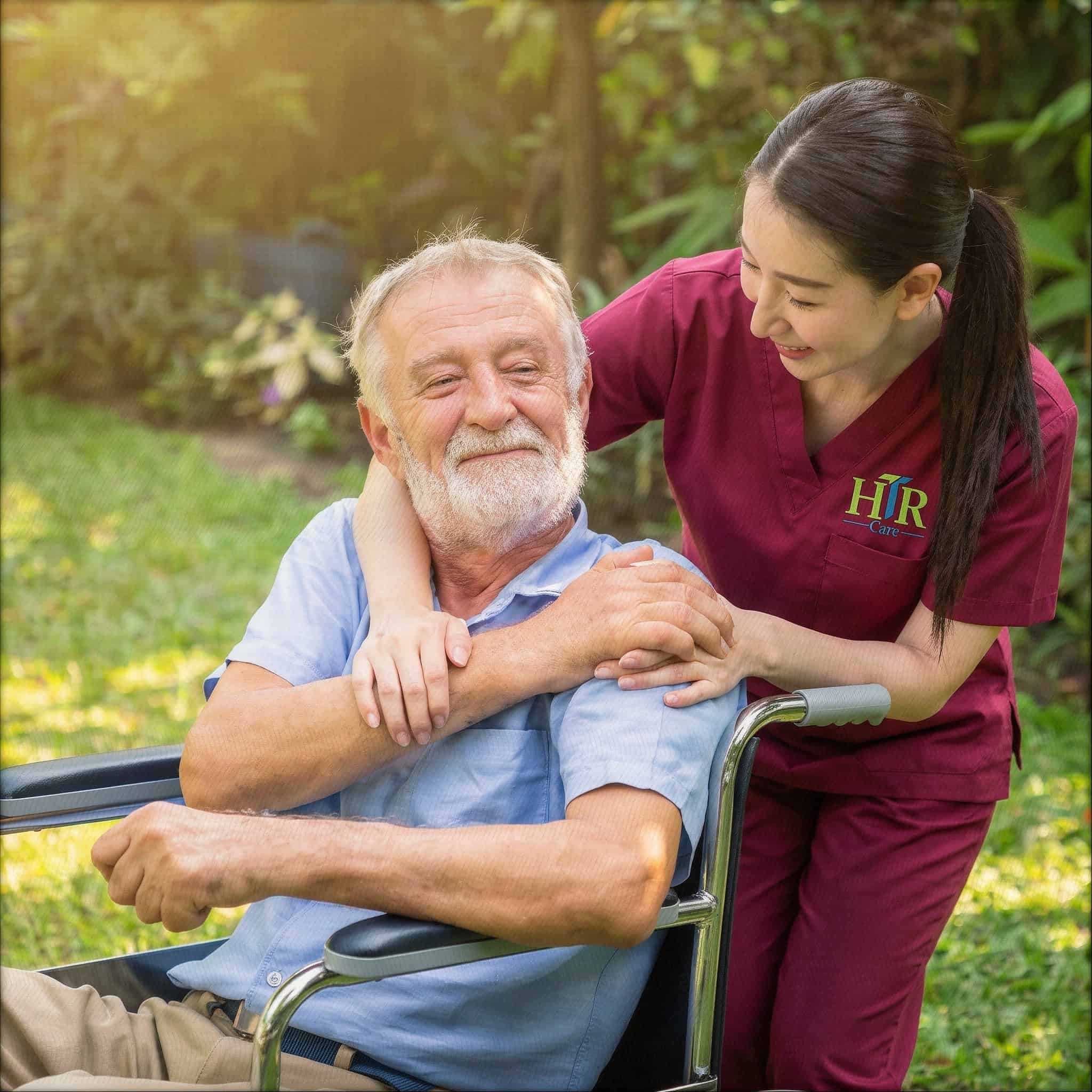
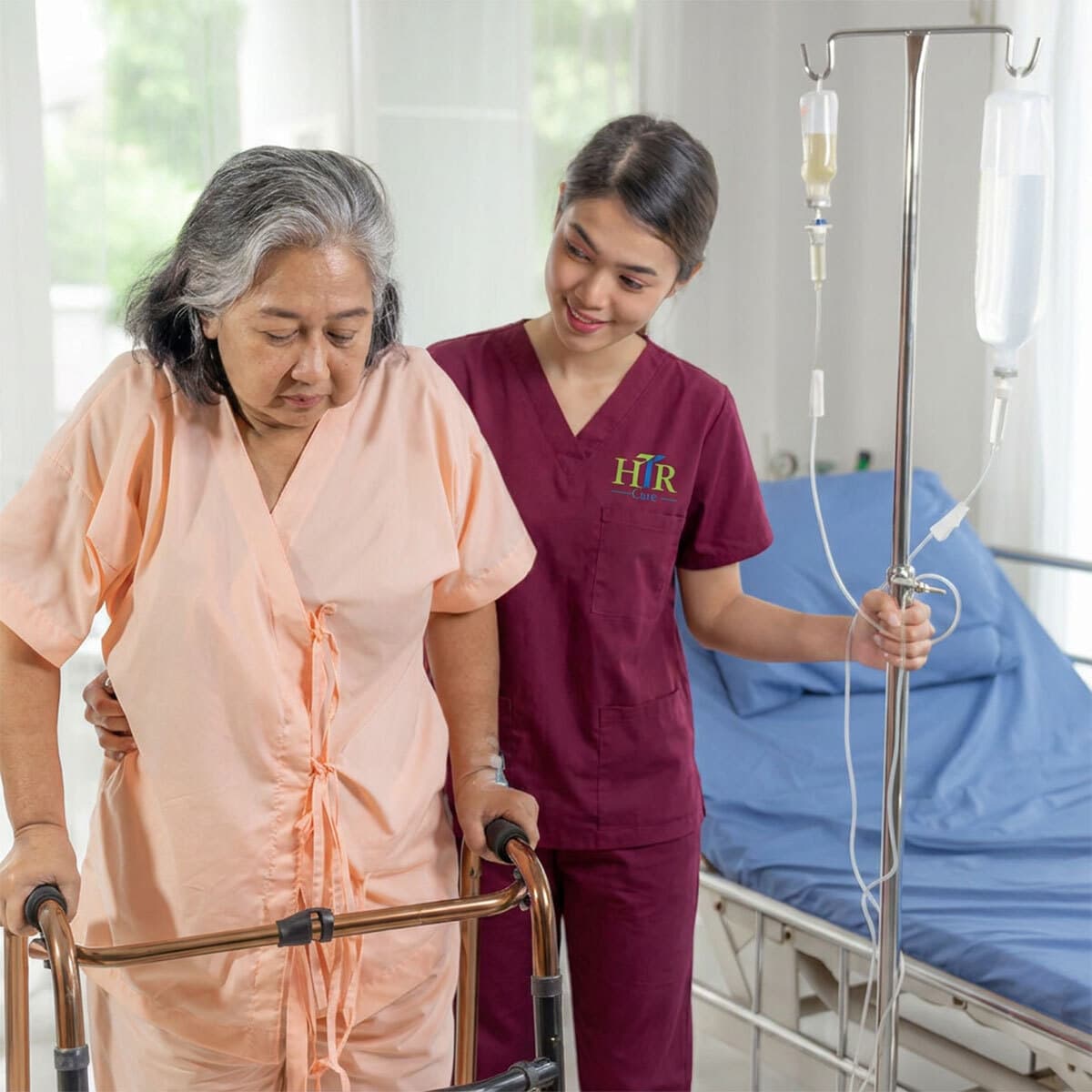
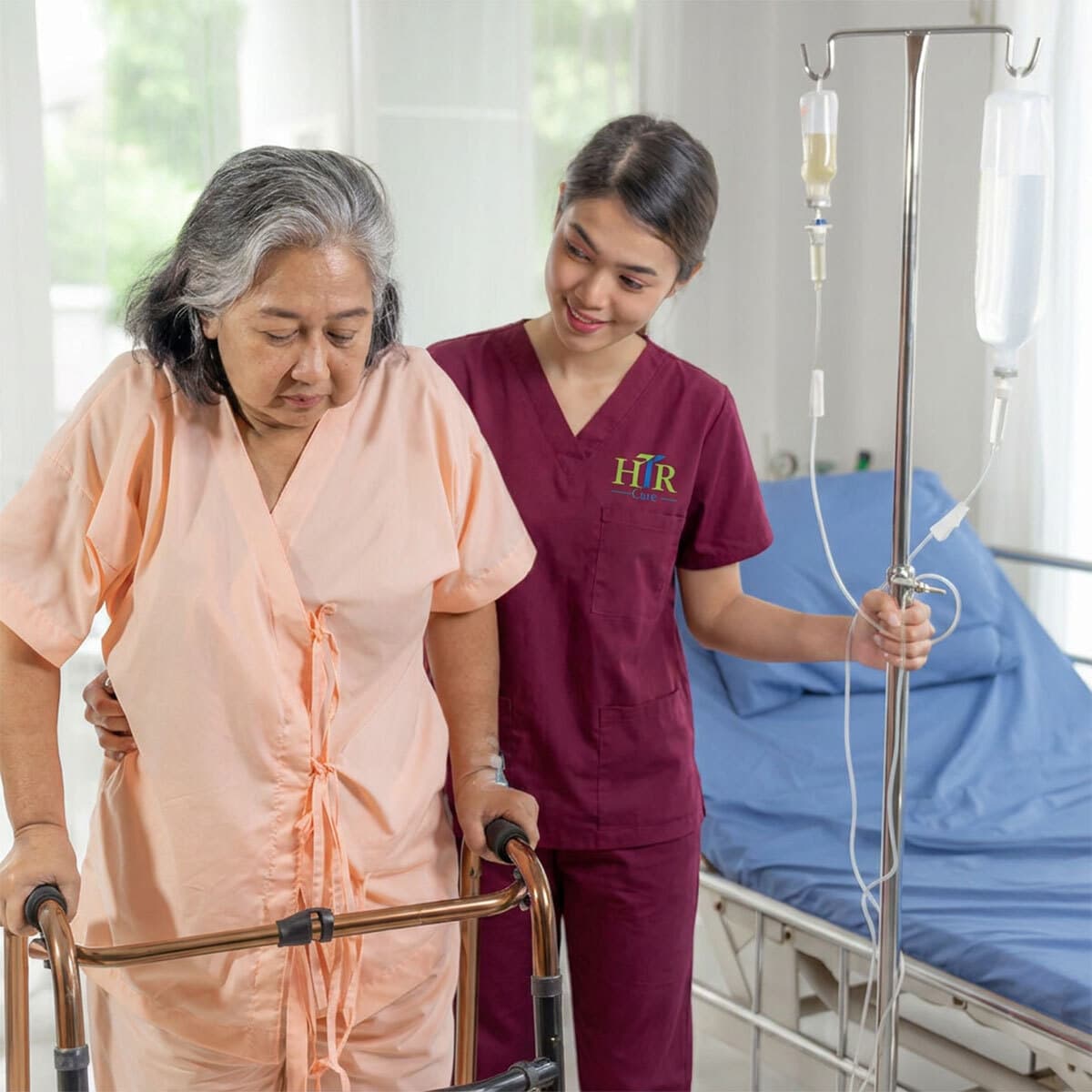
End-of-life care at home is a specialist care service for people who are in the last months, weeks, or days of their life. It covers personal care, comfort and pain management support, medication management, emotional support, companionship, nutrition and hydration assistance, and round-the-clock presence when it is needed most. End-of-life care is suitable for people living with cancer, dementia, heart failure, advanced lung disease, or any other serious condition where the focus of care has moved from treatment to comfort, dignity, and quality of life.
HTR Care has been providing end-of-life care across Greater London and surrounding areas since 2017. HTR Care is regulated by the Care Quality Commission and rated Good across all 5 inspection domains. We work closely with GPs, district nurses, Macmillan nurses, palliative care specialists, and hospice teams to ensure care at home is gentle, coordinated, and fully aligned with the person's wishes.
What is End of Life Care at Home?
End-of-life care at home is a specialist type of care for people in the final stage of a serious or life-limiting illness, focused not on treatment or recovery but on comfort, pain and symptom management, and emotional support. With over 500,000 deaths expected each year in England and Wales and the majority of people expressing a preference to die at home rather than in hospital, the need for professionally arranged end-of-life care at home is significant and growing.
The Marie Curie Better End of Life Report 2024 found that 1 in 3 people were severely affected by pain in their final week of life, and 1 in 2 visited A&E at least once in their final three months, highlighting how many people do not receive the comfort and dignity they deserve. Home-based end-of-life care allows the person to remain in familiar surroundings with family nearby, with care built entirely around their individual wishes, making dying at home possible for far more families than could otherwise manage without professional support.
1 in 3 people are severely affected by pain in their final week of life, and 1 in 2 visit A&E at least once in their final three months without adequate end-of-life care at home.
Source: Marie Curie Better End of Life Report 2024
Three Main Types of End of Life Support
Comfort and Physical Care
Gentle personal care, pressure management, comfort positioning, and nutrition and mouth care adapted to the final stage of life.
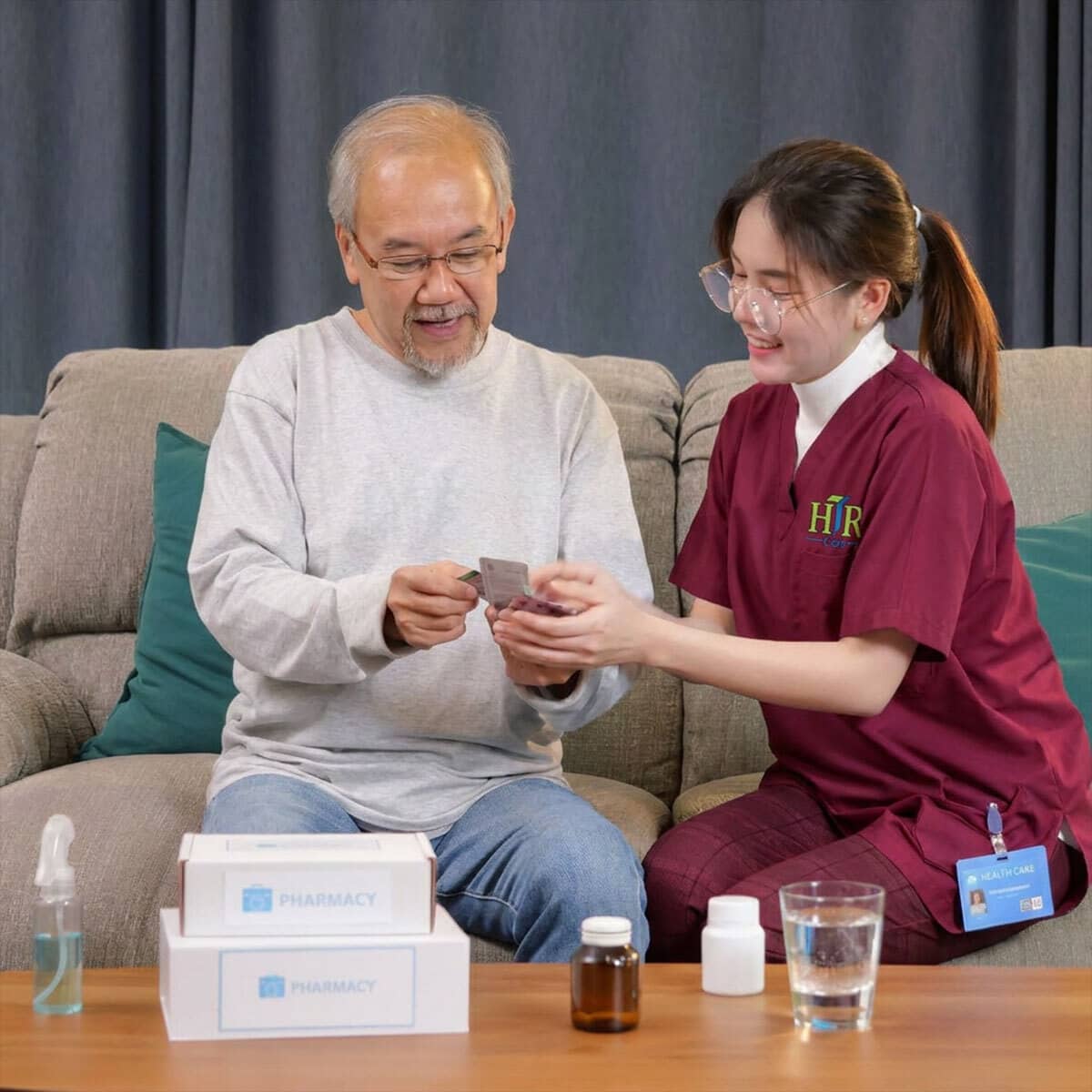
Medication and Clinical Support
Syringe driver monitoring, pain relief coordination, and direct liaison with district nurses and the palliative care team.
Emotional and Spiritual Support
Compassionate presence for the person and their family, honouring cultural, religious, and personal wishes throughout.
What Our End of Life Care at Home Covers
Personal Care
Support with washing, dressing, grooming, and continence care. Always delivered gently and respectfully, following your loved one’s normal routine.

Emotional Support for the Person and the Family
Our end-of-life carers provide calm emotional support for clients and families.
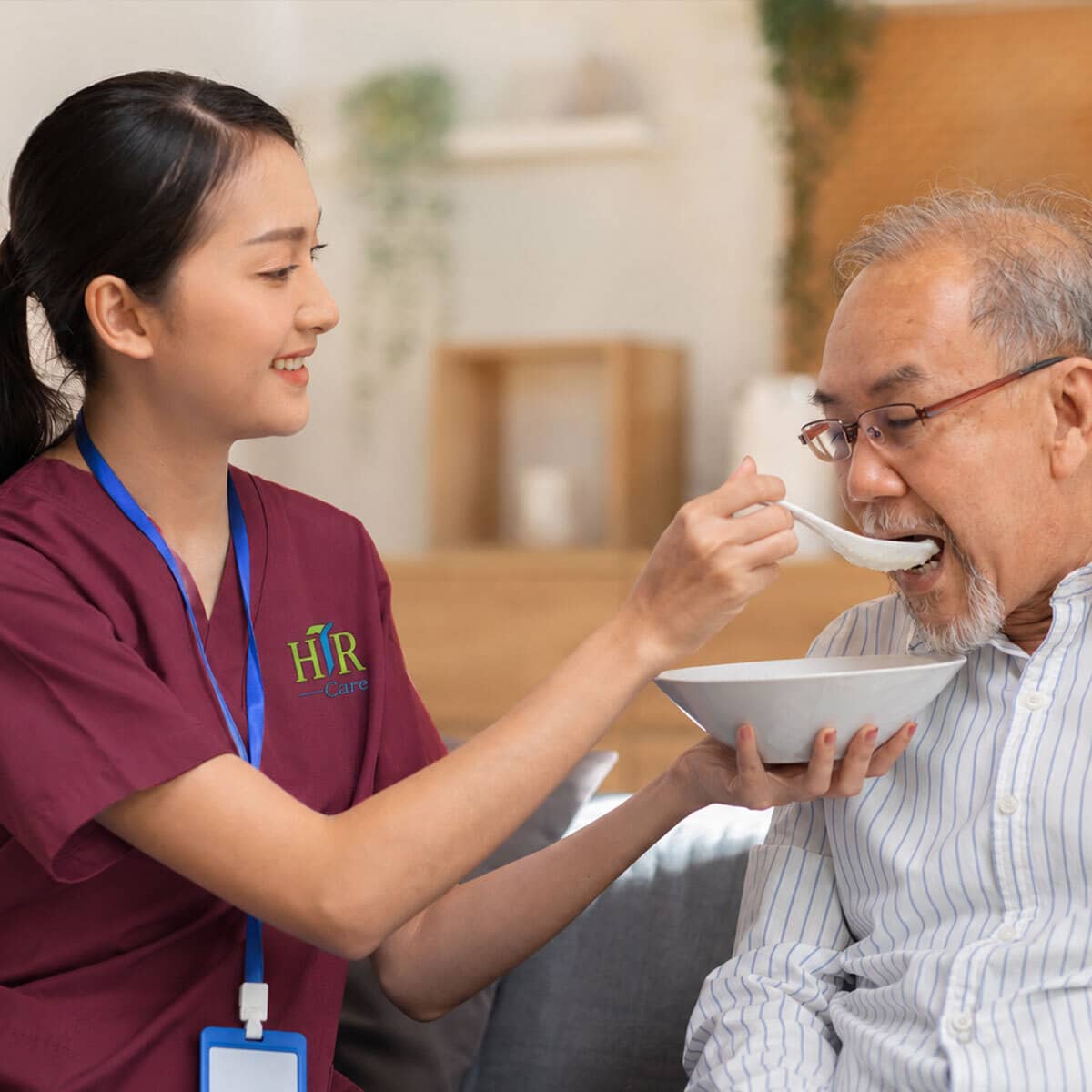
Nutrition, Hydration, and Mouth Care
Our carers support comfort through gentle nutrition, hydration, and careful mouth care.
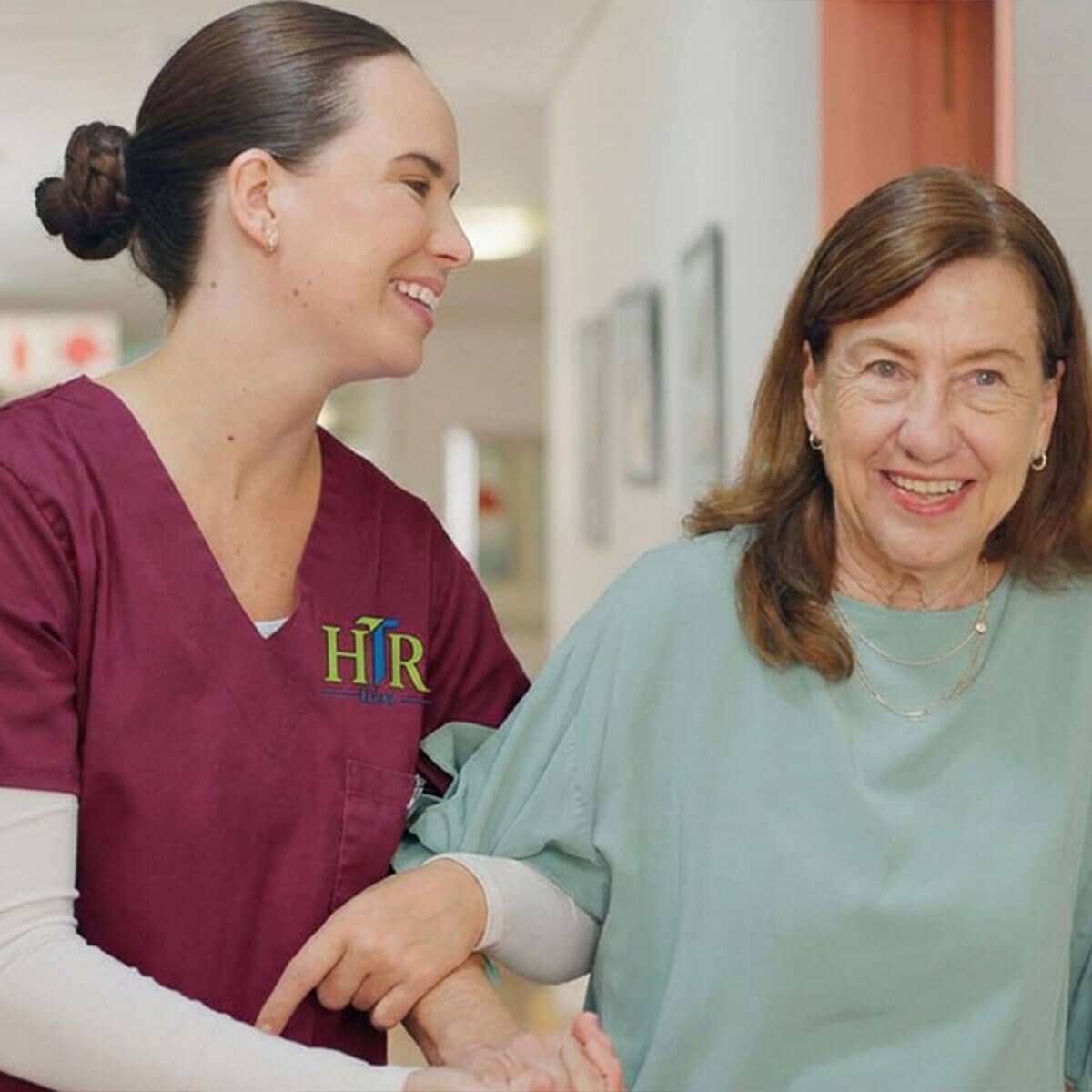
Spiritual, Cultural, and Religious Wishes
Our end-of-life carers honour each family’s spiritual, cultural, and religious wishes with respect.
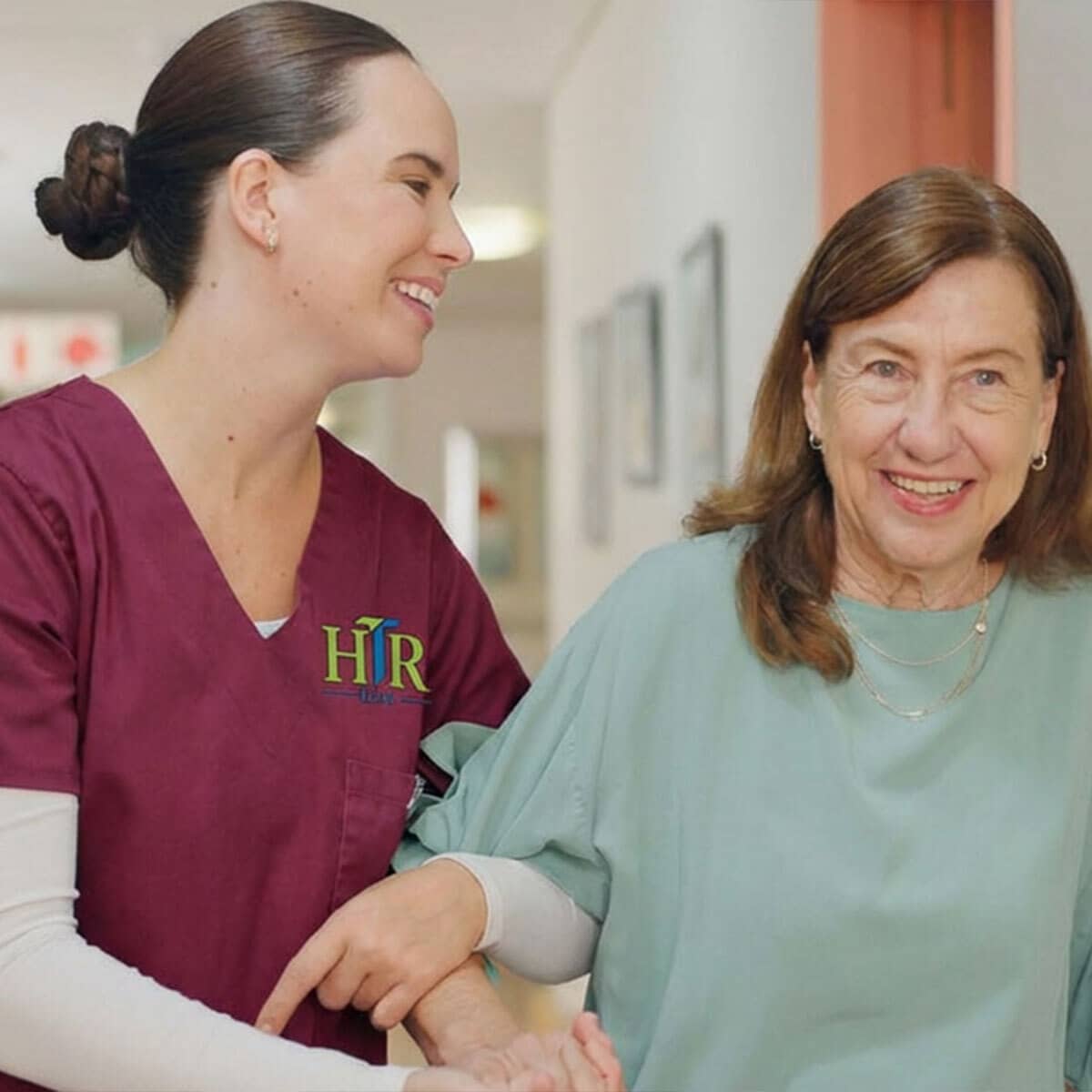
Companionship and Being Present
Our end-of-life carers offer gentle presence, quiet comfort, and reassurance, helping clients feel safe, loved, and never alone.
Why Families Choose HTR Care for End-of-Life Care
CQC Regulated and Trusted
HTR Care is regulated by the Care Quality Commission and rated Good across all inspection domains: Safe, Effective, Caring, Responsive, and Well-Led.
Your Loved One Always Comes First
We match carers based on your loved one’s needs, condition, personality, and daily routine, so care feels familiar even when someone new steps in.
Carefully Matched Carers
Every carer is selected based on verified training and experience. If your loved one has dementia, Parkinson’s, or mobility needs, we match someone who already understands that condition.
Introductions Before Care Begins
We always introduce the carer before care starts, so your loved one and family know exactly who is coming into the home. This reduces stress and builds trust from day one.
Fast Support When You Need It
Care at home can be arranged within 24 hours, and sooner in urgent situations. This ensures your loved one is never left without support, even when plans change suddenly.
Arranging Care with HTR Care
We understand that arranging home care can feel overwhelming at first, especially when families are already under pressure. That is why we keep the process simple and supportive from the beginning.
Speak with Our Team
A friendly conversation to understand your situation, answer questions, and talk through the support you may need.
Home Care Assessment
We arrange a care assessment to better understand routines, preferences, daily challenges, and the level of support required.
Begin Your Care
Once everything is agreed, we carefully match you with a suitable carer and begin support in a way that feels comfortable and familiar.
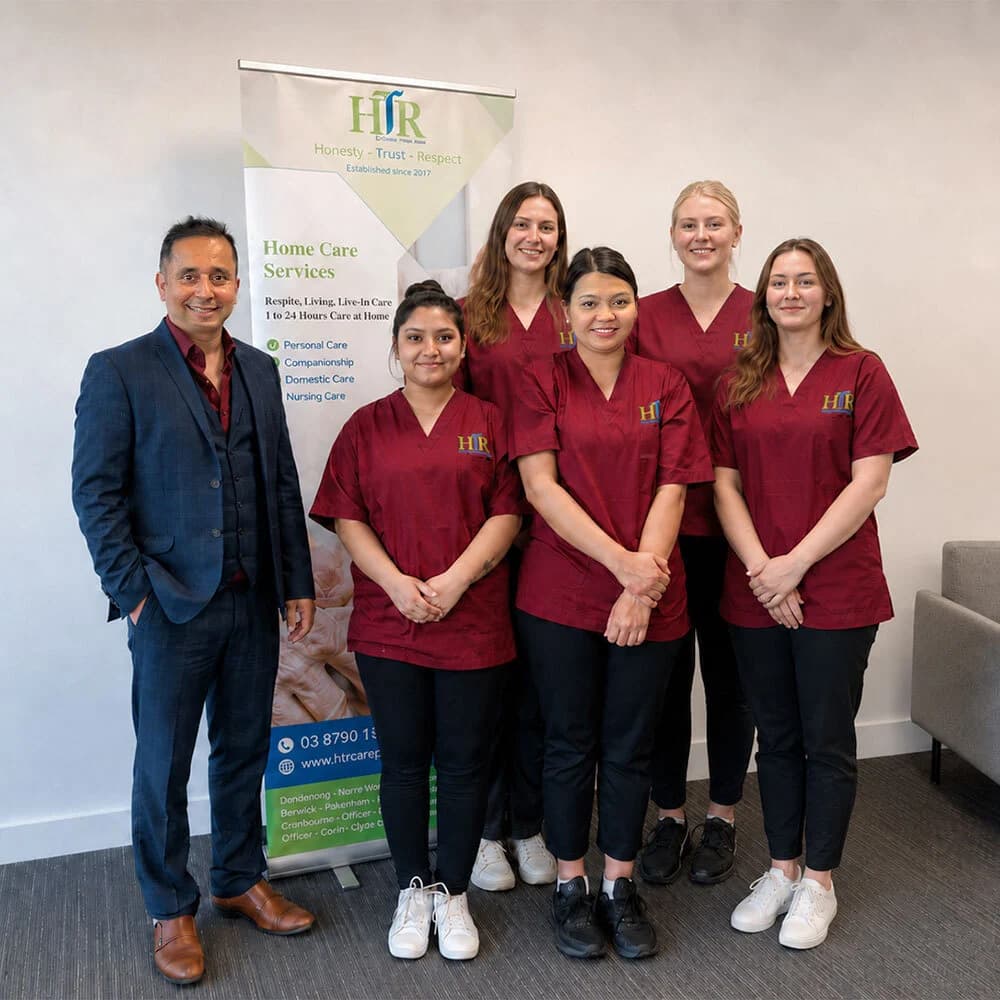
What Families Say About Us
Real stories from the people who matter most; the families we serve every day
The Areas We Cover
Frequently Asked Questions About End of Life Care
What is the difference between end of life care and palliative care?
What is an Advance Care Plan?
Can the NHS fund end of life care at home?
How long does end of life care last?
What support is available for the family after the person has died?
Is end of life care only for cancer patients?
Can carers provide 24-hour end of life care?
When should end of life care begin?
Send Us a Message
We aim to respond to all enquiries within 2 business hours.
Phone
020 3004 8402Email Us
[email protected]Opening Hours
Weekend: Emergency On-call Only