




Best Live-in Care Services in Bracknell
At HTR Care, we provide 24-hour live-in care across Bracknell, where many older residents settled into the borough's New Town estates decades ago and now find stairs, shopping trips, and daily routines harder to manage alone as families stretch further across the Thames Valley for work. We match every client with a consistent carer wherever possible, covering personal care, medication management, and companionship. Support starts within 24 to 48 hours of the first enquiry.
Bracknell is a South East England town and the administrative centre of Bracknell Forest, with residential neighbourhoods, green spaces and local streets that have grown around its history as a post‑war New Town. The town centre has modern amenities at The Lexicon, while Swinley Forest and nearby woodlands provide quiet outdoor spaces for everyday life. South Hill Park adds arts and culture, and Bracknell’s railway links to London and Reading make commuting straightforward, giving the town a rhythm that balances suburban living with its heritage, leisure and proximity to larger regional centres.

What Does Live-in Care Include?

Personal Care
Live-in care covers bathing, dressing, grooming, continence care, and all aspects of daily personal hygiene, delivered with dignity and respect for the individual's routine.
Housekeeping
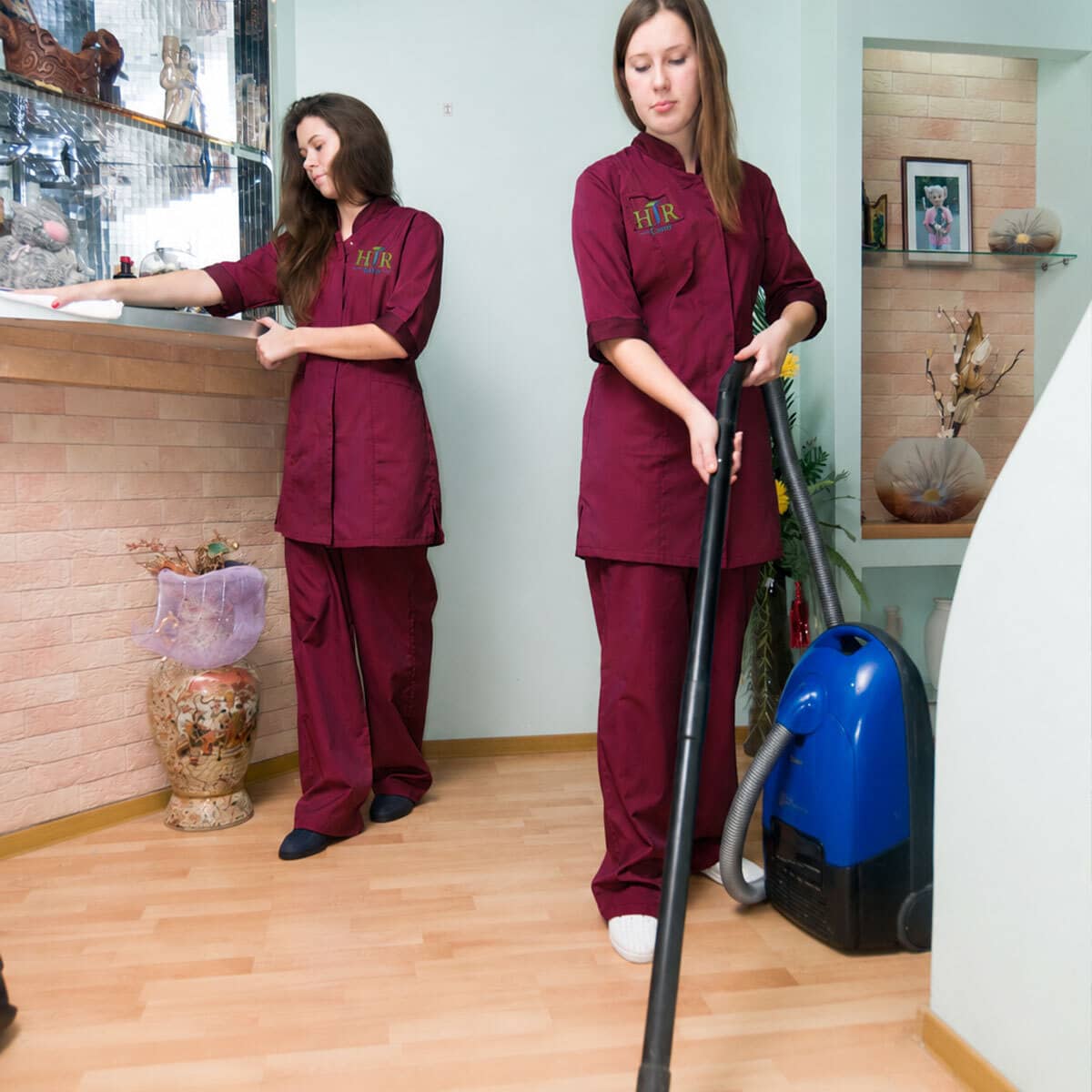
A live-in carer manages light domestic tasks, including cooking, cleaning, laundry, and shopping, keeping the home safe, clean, and comfortable for the individual.
Social Engagement
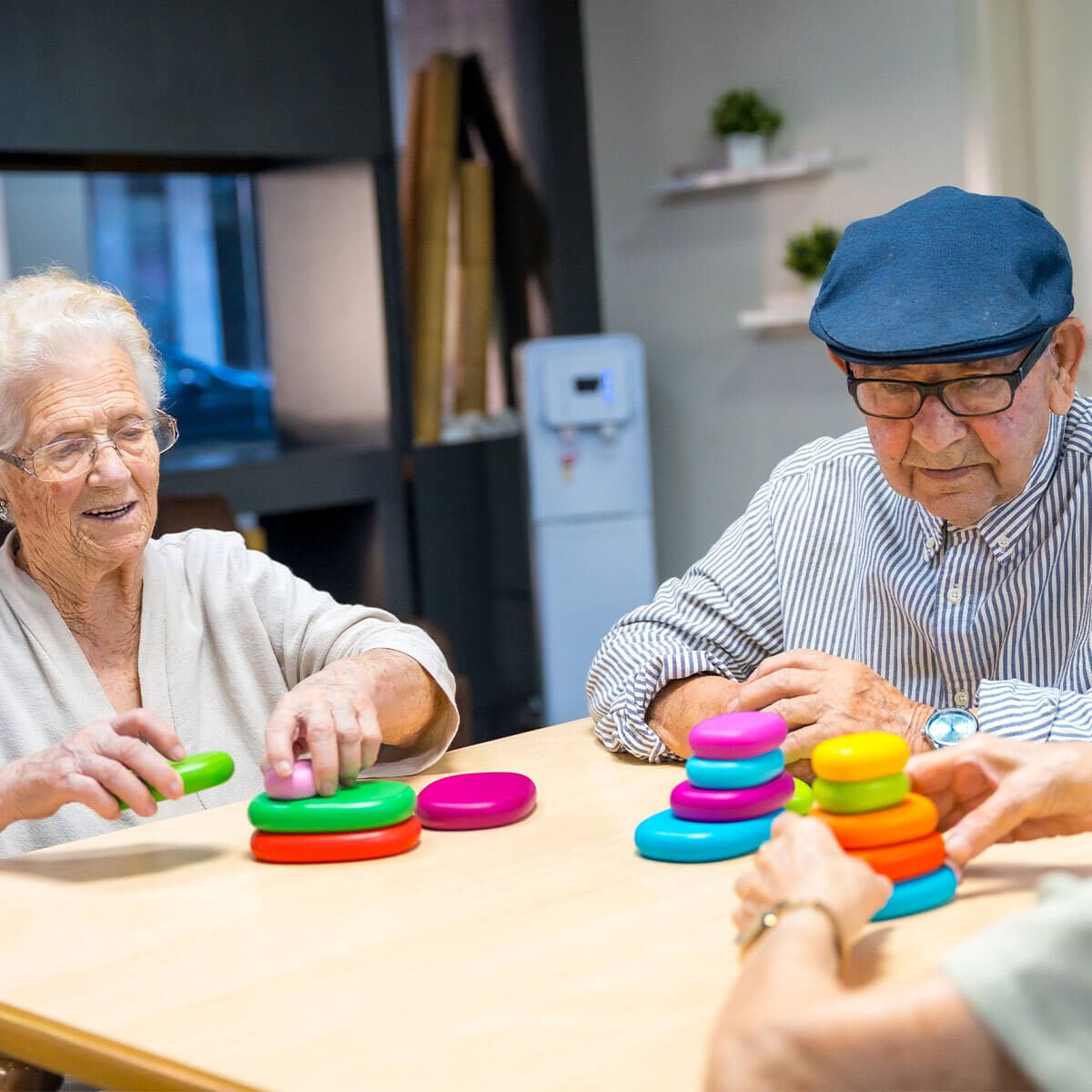
Our care services also include regular conversation, companionship, and support with hobbies, activities, and social visits, reducing isolation and maintaining emotional well-being at home.

Mobility Assistance
A live-in carer supports safe movement around the home, including transfers, positioning, use of mobility aids, and fall prevention for individuals with reduced physical function.
Transportation
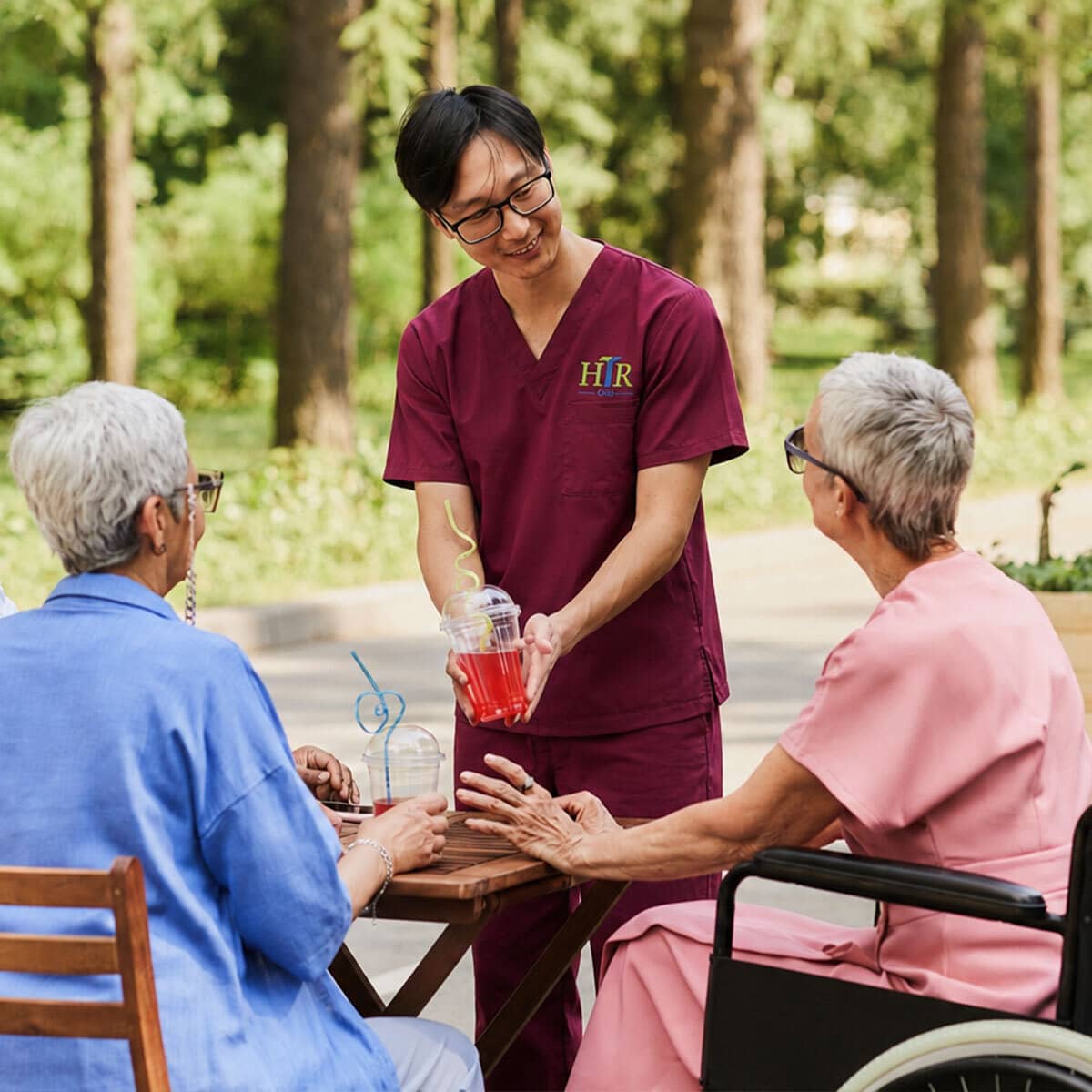
Live-in care also includes escorting individuals to medical appointments, social activities, and local outings, ensuring they remain connected to their community and healthcare team.
Condition-Specific Support
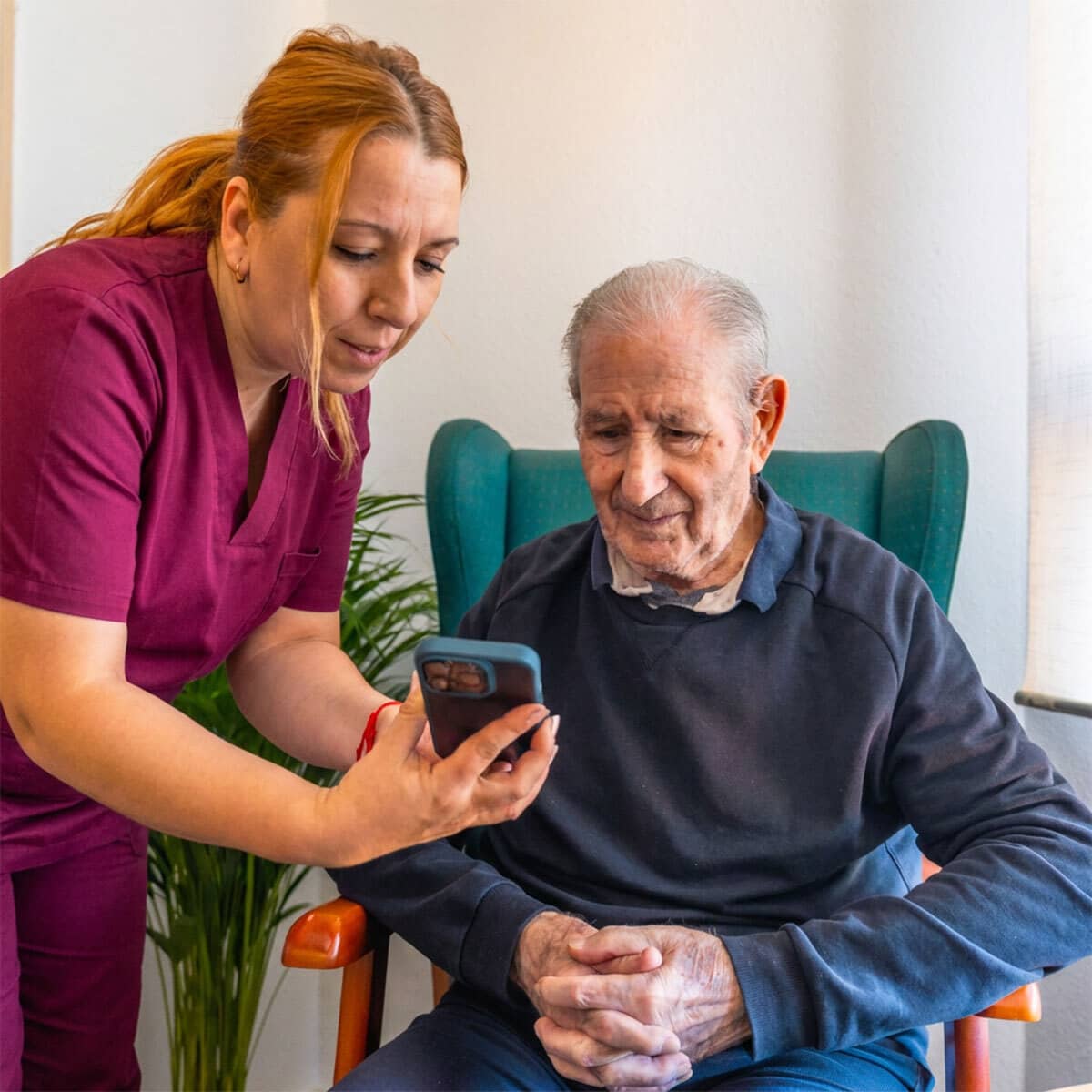
Our Live-in care service is tailored to the individual's diagnosed condition, covering specialist support for dementia, Parkinson's disease, stroke recovery, MND, spinal injury, and other complex health needs.

Palliative Care
Live-in palliative care supports individuals with a life-limiting condition at home, providing comfort, dignity, and coordinated support alongside NHS teams and district nurses throughout end-of-life care.
What Families Say About Us
Real stories from the people who matter most; the families we serve every day
What is Live-in Care?
Live-in care is round-the-clock support delivered at home by a dedicated carer who lives in your home full-time. Care covers personal hygiene, mobility, meals, and companionship, with the carer following a routine built entirely around the individual rather than a fixed institutional schedule. Planned relief cover keeps support continuous when the primary carer takes a break.
Live-in care is becoming increasingly relevant across Bracknell as the borough's older population grows. According to Bracknell Forest Council's 2025 Dementia Needs Assessment, the number of people living with late-onset dementia in the borough is predicted to rise from 1,365 in 2023 to 2,165 in 2040, an increase of 62.5%, driven largely by the growing number of people aged 65 and over living in the borough. As this population grows, more families across Bracknell are turning to live-in care to keep older relatives at home with consistent, full-time support rather than moving into residential care.
- CQC-regulated home care provider rated Good across all five inspection areas
- Personalised care plans built around each client’s routine, condition, preferences and family needs
- Flexible support available from short visits to live-in care, 24-hour care, respite care and complex care
- Specialist care for dementia, Parkinson’s, stroke recovery, diabetes, MS, learning disabilities and physical disabilities
Areas We Provide Live-in Care in Bracknell
We provide live-in care across Bracknell, supporting individuals who need reliable, compassionate care while remaining in the comfort of their own home.
- Bracknell Town Centre (RG12)
- Bullbrook (RG12)
- Great Hollands (RG12 / RG42)
- Harmans Water (RG12)
- Crown Wood (RG12 / RG42)
What Are the Conditions Live-in Care Services Support?
Arranging Care with HTR Care
We understand that arranging home care can feel overwhelming at first, especially when families are already under pressure. That is why we keep the process simple and supportive from the beginning.
Speak with Our Team
A friendly conversation to understand your situation, answer questions, and talk through the support you may need.
Home Care Assessment
We arrange a care assessment to better understand routines, preferences, daily challenges, and the level of support required.
Begin Your Care
Once everything is agreed, we carefully match you with a suitable carer and begin support in a way that feels comfortable and familiar.
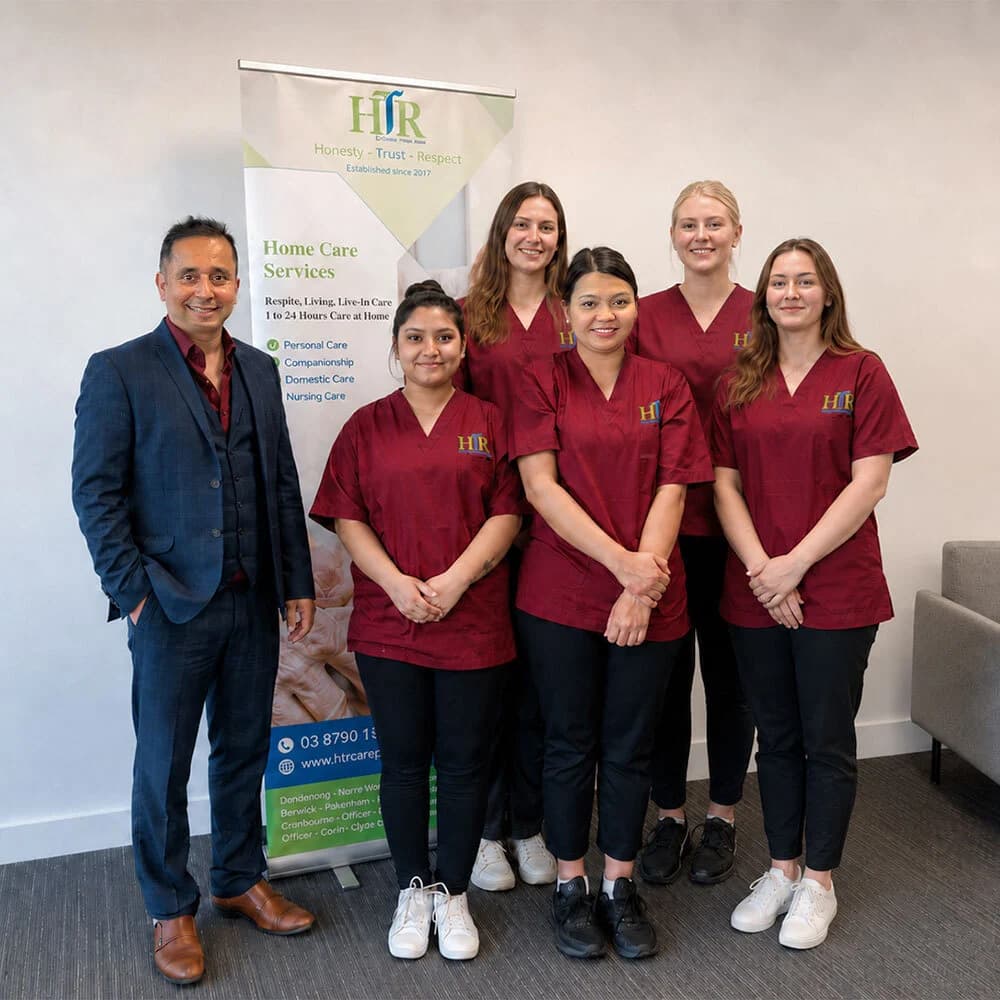
Why Choose HTR Care in Bracknell
Regulated by the Care Quality Commission (CQC)
Every Live-in care service that Bracknell families receive from HTR Care is rated Good across all 5 CQC inspection domains: Safe, Effective, Caring, Responsive, and Well-Led.
Fully Trained and DBS-Checked Carers
Our carers hold qualifications in Health and Social Care at Level 2 or Level 3. We also provide ongoing training in dementia care, manual handling, and safeguarding.
Personal Care Plan for Every Client
Before care begins, a senior member of our team visits the home to carry out a full assessment. From this, we build a written care plan that is personal to that individual and reviewed on a regular basis.
Care Starts in Just 24 to 48 Hours
When families need help quickly, we act fast. In most cases, we can carry out a home assessment and begin care within 24 to 48 hours of your first contact with us.
Carer Introduction Before Care Starts
We always introduce the caregiver to the client and their family before the first official visit. The first visit is never with a stranger. We match carers based on skills, experience, and how well they will get along with the client, so care feels comfortable from day one.
Meet the Registered Manager

Rajen Nityanand Jussun
“Good care starts with strong standards and safe practice.”
Frequently Asked Questions About Bracknell
What Is Live-in Care and How Does It Work in Bracknell?>
Live-in care places a dedicated, fully trained carer inside the home 24 hours a day, providing continuous personal care, medication management, mobility support, and companionship without requiring a move into a residential setting. The carer lives in the home full-time and follows a personalised care plan built around the individual's routine. HTR Care matches every client in Bracknell with a consistent carer based on personality, skills, and specific care needs.
How Much Does Live-in Care Cost in Bracknell?>
Live-in care in Bracknell costs between £1,200 and £1,600 per week with HTR Care, depending on the level of support and complexity of care needs. The Berkshire and Thames Valley rate band places Bracknell within a comparable cost range to surrounding boroughs. HTR Care provides a full cost breakdown during the initial assessment, with no hidden fees.
Why Is Live-in Care Becoming More Important in Bracknell?>
Live-in care is becoming more important in Bracknell as the borough's older population and dementia prevalence grow rapidly. The number of people living with late-onset dementia in Bracknell Forest is predicted to rise from 1,365 in 2023 to 2,165 in 2040, an increase of 62.5%. Live-in care gives this growing population the option to remain at home with consistent, full-time support.
Does Live-in Care Work for People With Dementia in Bracknell?>
Live-in dementia care in Bracknell is one of the most effective ways to support a person living with dementia, as remaining in a familiar home environment directly reduces disorientation and anxiety. A consistent live-in carer builds a trusted relationship over time, which residential care with rotating staff cannot replicate. HTR Care's dementia live-in care covers structured daily routines, personal care, medication management, and cognitive engagement.
How Quickly Does Live-in Care Start in Bracknell?>
Live-in care in Bracknell starts within 24 to 48 hours of the first enquiry with HTR Care. Emergency placements and post-hospital discharge packages are assessed on the same day, where possible. A care coordinator contacts you directly to arrange an assessment and confirm your start date.
Can I Choose My Own Live-in Carer in Bracknell?>
Yes, HTR Care matches every client in Bracknell with a dedicated live-in carer based on routine, preferences, personality, and specific care needs. You receive a full profile of your matched carer before care begins. If the match does not feel right after the placement starts, HTR Care arranges a replacement without delay.

Surrounding Areas We Provide Care in Berkshire
HTR Care also provides home care services in the following areas:
- Reading
- Wokingham
- Maidenhead
- Camberley
Send Us a Message
We aim to respond to all enquiries within 2 business hours.
Phone
020 3004 8402Email Us
[email protected]Opening Hours
Weekend: Emergency On-call Only