
Dealing with elderly parents who refuse help in the UK can be hard. Learn calm, practical ways to protect safety, dignity and trust at home.
Dealing with elderly parents who refuse help in the UK is one of the most emotionally difficult situations a family can face. You can see the risks clearly, but your parent may not. Understanding why elderly parents refuse help and how to respond at each stage is the most effective way to protect both their safety and your relationship with them.
Quick Takeaways
- Elderly parents most commonly refuse help due to fear of losing independence, embarrassment around personal care, or a belief that accepting support leads to a care home
- The right time to arrange care is when 2 or more risk signs are present, including falls, missed medication, weight loss, or memory lapses
- A step-by-step approach works better than a single, high-pressure conversation: start with one small change, choose a calm moment, and involve a professional early
- A home care worker can support personal care, medication, meals, mobility, companionship, and health monitoring, all within your parent’s familiar home
- If your parent refuses a care home, home care is a practical and dignified alternative that can begin gently and grow over time
How to Deal with Elderly Parents Refusing Help
Knowing how to proceed when a parent refuses help in the UK requires a steady, step-by-step approach. Pushing too hard too fast can damage trust. The following steps give you a practical framework for navigating this process:
Step 1: Choose the right moment
Raise the topic during a calm period, not after an incident, during a disagreement, or when either of you is tired. The setting affects how the conversation is received.
Step 2: Start with their goal, not the service
“How do we help you stay at home safely?” tends to land better than “You clearly cannot manage anymore.” Ask what your parent wants to keep doing. Frame support around maintaining independence, not replacing it.
Step 3: Name the specific concern, not a general verdict
Instead of saying "You need help", try: “I noticed you seem unsteady on the stairs, and I am worried about you carrying laundry.” Specific observations reduce defensiveness.
Step 4: Introduce one small change at a time
A parent who refuses live-in care may accept a cleaner, a driver for appointments, or a short weekly companionship visit. Small steps reduce the sense of threat.
Step 5: Involve a professional early
Some parents respond better when a suggestion comes from a GP, social worker, or care professional rather than from a relative. A care needs assessment from the local authority can open this conversation.
Step 6: Allow time between conversations
Few families resolve this in a single discussion. Leaving space between conversations protects the relationship and makes the next discussion more productive.
Step 7: Revisit and adjust
Once any level of support is in place, review it regularly. Acceptance of care often grows when support begins gently and adjusts around the person over time.
When Is It Time to Arrange Care for an Elderly Loved One?
Knowing when to arrange care for an elderly loved one in the UK is not always straightforward. There is no single moment when the need becomes obvious. However, there are 5 clear signs that professional support should be considered:
- Repeated falls or mobility difficulties at home, particularly on stairs or in the bathroom
- Missed medication on a regular basis, or confusion about dosage and timing
- Unplanned weight loss or signs that meals are being skipped or forgotten
- Unpaid bills or neglected household tasks that were previously managed independently
- Increased confusion or memory lapses that affect daily routines and personal safety
When 2 or more of these signs are present at the same time, the risk of a serious incident increases significantly. Arranging a GP review at this point is a sensible first step. A GP review can identify whether an underlying health condition, such as untreated pain, infection, or low mood, is contributing to the difficulties your parent is experiencing.
What Are the Reasons Elderly Parents Refuse Help?
Elderly parents refuse help for reasons that are personal, emotional, and sometimes practical. Understanding these reasons makes it easier to approach the conversation with patience rather than frustration.
There are 6 common reasons elderly parents in the UK decline support:
- Fear of losing independence: Accepting help can feel like surrendering control over their own life and daily routine
- Worry about strangers in the home: Many older adults are uncomfortable with the idea of an unfamiliar person entering their private space
- Embarrassment about personal care: Help with washing, dressing, or continence can feel deeply undignified
- Belief that care leads to a care home: Some parents assume that accepting any support is the first step towards residential care
- Pride and long-standing self-reliance: Decades of independence can make asking for help feel like failure
- Unrecognised need: If memory problems are present, your parent may not fully understand the extent of their own difficulty
It helps to remember that capacity and agreement are not the same thing. A parent with full mental capacity can legally choose an option you would not choose yourself. Recognising the reason behind the refusal is the starting point for any productive conversation.
How to Provide Care to Elderly Parents
Providing care to elderly parents at home involves both practical support and emotional attunement. The goal is to reduce risk while preserving dignity and independence.
- Start with the area of highest risk like falls, medication, or nutrition, before widening the scope of support
- Arrange home adaptations such as grab rails, improved lighting, and a pendant alarm to reduce hazard without requiring daily intervention
- Set up medication prompts or a pharmacy blister pack to reduce missed doses
- Coordinate with the GP to rule out underlying health conditions driving resistance
- Request a care needs assessment from the local authority to identify eligible support
- Share caregiving responsibilities across family members to reduce individual burden
- Keep notes on incidents, changes in behaviour, and conversations to track progress and inform professionals
How Can a Home Care Worker Help My Senior Parents?
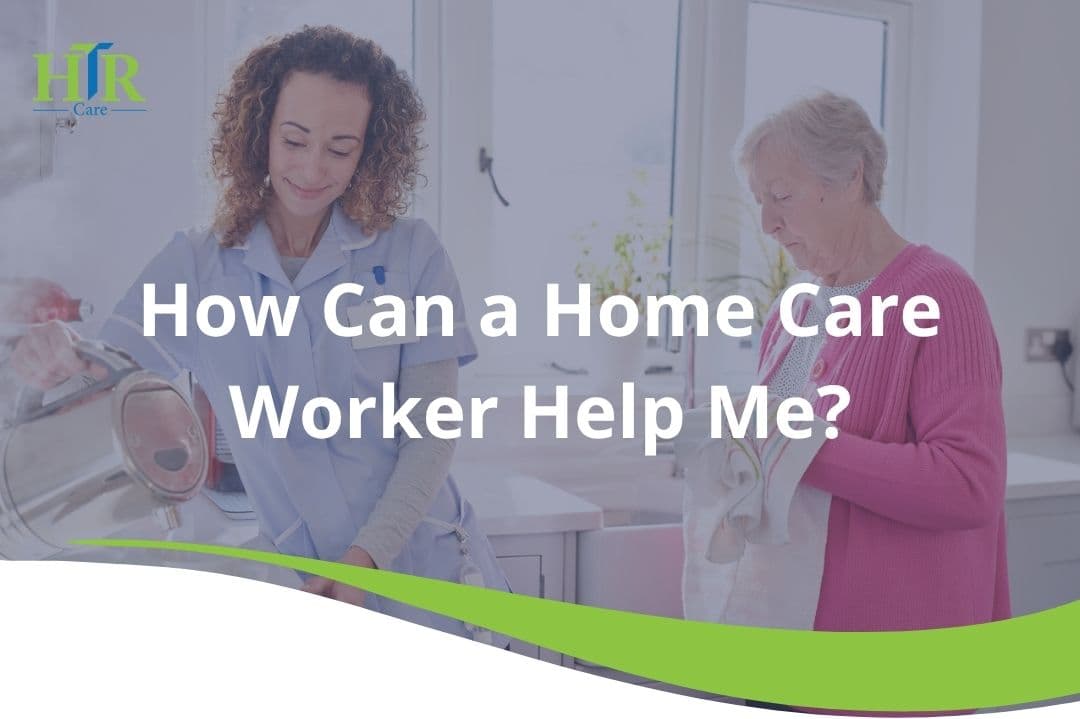
A home care worker can help your parents in ways that reduce risk at home while supporting their independence and routine. Home care workers in the UK are trained to assist with a wide range of daily needs.
- Personal care: assistance with washing, dressing, and continence management, delivered with sensitivity and respect for privacy
- Medication support: prompting or administering medication at the correct times and in the correct doses
- Meal preparation: planning, shopping for, and preparing nutritious meals suited to dietary needs
- Mobility support: assisting with safe movement around the home and reducing the risk of falls
- Companionship: regular social contact that supports mental health and reduces isolation
- Household tasks: light cleaning, laundry, and errands that maintain a safe and comfortable home environment
- Monitoring and reporting: identifying early signs of health or wellbeing changes and communicating these to family members or health professionals
- Post-hospital support: providing structured care following discharge to reduce the risk of readmission
A consistent home care worker, one your parent sees regularly, is more likely to be accepted over time. Continuity of care builds trust, and trust makes every aspect of support easier.
How to Deal with Parents Who Refuse to Go to a Care Home
Many elderly parents in the UK refuse to go to a care home, and this refusal is often firmly held. If your mother has expressed a strong wish to remain at home, that wish deserves to be taken seriously. Refusing residential care does not mean refusing all care.
For parents with dementia who refuse a care home, the situation requires additional care. A person living with dementia may resist a care home due to confusion, fear of unfamiliar surroundings, or an inability to understand why the move is being proposed. In these cases, a formal mental capacity assessment may be needed to determine whether the person can make this decision for themselves. Where capacity is absent, decisions must be made in their best interests and with the least restrictive option considered first.
Common reasons parents refuse care homes in the UK include:
- Fear of losing their home, belongings, and familiar routine
- Concerns about privacy and living alongside strangers
- A belief that a care home represents the end of independence
- Worry about the quality or consistency of care in a residential setting
- Not wanting to leave a neighbourhood, community, or garden they value
Home care is a viable alternative when a parent refuses residential care. For families in the UK whose parents want to remain at home, professional home care can provide the same level of daily support like personal care, medication management, companionship, and health monitoring.
HTR Care provides personalised home care in Greater London and surrounding areas for older adults who wish to remain safely at home. Care plans at HTR Care are built around the individual’s existing routine and can be introduced gradually, beginning with short visits and expanding as trust develops.
When Refusal Involves Significant Risk
There are situations in which a parent’s refusal of help cannot simply be respected without further action. Repeated falls, severe self-neglect, unsafe medication use, fire risk, or signs of abuse are situations that require prompt involvement from professionals.
In these cases, contact the GP, the local authority’s adult social care team, or, if there is immediate danger, contact emergency services. This is not about overriding your parent’s wishes unnecessarily. It is about recognising that safety is part of dignity and that a serious preventable incident causes more harm to independence than a carefully introduced care arrangement.
If your parent does have mental capacity and is refusing help that involves real risk, you may still be limited in what you can do legally. Speaking with an adult social care team or a solicitor experienced in eldercare can clarify your options.

About Meena Pradhan
Care Coordinator/Senior Field Supervisor