

Explore the best things to do in London, visit iconic landmarks, discover travel tips, and learn how respite care supports family carers during visits.
London is the capital city of England and the United Kingdom, positioned on the River Thames south of Manchester and Edinburgh. The city's name comes from Londinium, the name Roman settlers gave the trading post they established on the Thames; the exact meaning is debated, though one leading theory ties it to a Brittonic word for a "place that floods," describing the tidal river the city grew up around. London has been a major settlement for nearly 2,000 years, growing from that Roman river crossing into the seat of England's government and monarchy, and today it stands as Europe's largest city economy, anchored by landmarks such as Big Ben and Tower Bridge. Many people who visit these landmarks are family carers, either travelling with an elderly parent or taking a short break from caring for one; arranging respite care lets a trained carer look after that parent for the day so a family carer can explore London's history and sights without worry.
Where Is London?
London is the capital city of England and the United Kingdom, located in southeastern England on the banks of the River Thames. The coordinates of London are 51.5074° N, 0.1278° W. The city lies southeast of Manchester, roughly 200–210 miles away by road and around 180–190 miles by rail, and southeast of Edinburgh, roughly 400 miles away by road and around 330–400 miles by rail depending on the route. London is about 210–215 miles from Paris in a straight line, though the Eurostar rail route through the Channel Tunnel covers closer to 305–310 miles of track. London is easily accessible, with Heathrow Airport located approximately 15 miles west of the city centre. The city is also served by an extensive transport network, including the London Underground, National Rail services, buses and the Elizabeth line, which connect central London with its surrounding boroughs and neighbouring counties.
What Are the Things to Do in London?
London offers a wide range of things to do, from historic landmark tours to river cruises, museum visits, markets, and panoramic city views. Visitors can experience activities such as London Duck Tours, Big Ben, the London Eye, the British Museum, and Tower Bridge, alongside green spaces like Hyde Park and shopping destinations like Camden Market. Each of these attractions sits within easy reach of central London's transport network, making it possible to combine several in a single day.
1. Visit Big Ben

Big Ben is one of London's most instantly recognisable sights, and locals will tell you it's the moment a trip to London really starts to feel real. Officially housed inside the Elizabeth Tower and also known as the Great Clock of Westminster, "Big Ben" strictly refers to the Great Bell that rings out from the belfry rather than the tower itself. Completed in 1859 as part of the rebuilt Houses of Parliament, the tower's Gothic Revival stonework and four glowing clock faces catch the golden hour light beautifully from Westminster Bridge or the south bank of the Thames, a favourite spot for a slow evening walk, with the chimes marking the hour as the city winds down around you.
2. Ride the London Eye
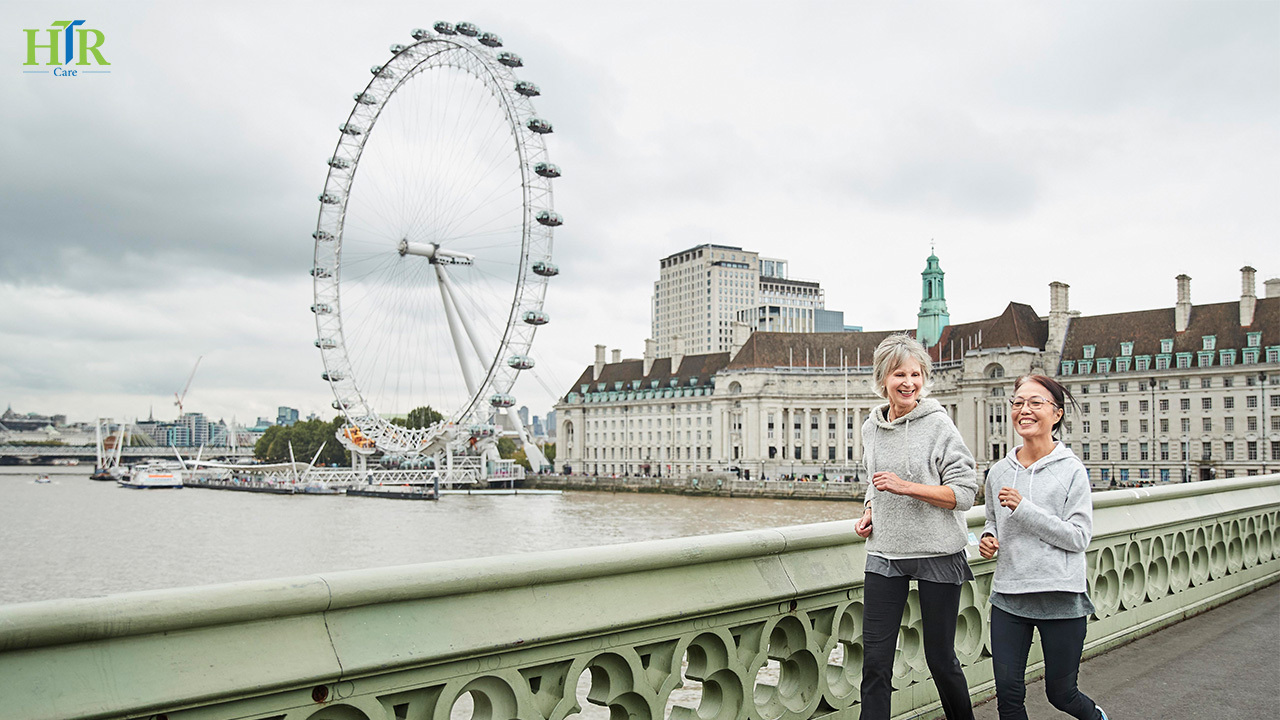
The London Eye is one of the first stops on most people's list once they reach the South Bank, whether they've travelled in from another country, driven down from a neighbouring county, or grown up a short Tube ride away. Standing 135 metres tall on the riverside opposite Big Ben, this giant observation has been a fixture of the London skyline ever since. The capsules are step-free and seated, which makes the ride a comfortable choice for family carers bringing an elderly parent along, or for those using a short window of respite care to take in the view alone before heading back.
3. Explore the British Museum

The British Museum, on Great Russell Street in Bloomsbury, holds one of the world's largest collections of human history and culture, including the Rosetta Stone and the Parthenon sculptures. Entry is free, which makes it an easy stop for London residents and visitors from nearby counties. The museum's flat, wheelchair-accessible galleries and seating areas also make it a practical outing for family carers bringing an elderly parent, or for a few hours of independent exploring while respite care is arranged.
4. Cross Tower Bridge

Tower Bridge spans the Thames near the Tower of London, connecting the north and south banks with its recognisable twin towers and walkways. Visitors can simply walk across for free, or pay to enter the Tower Bridge Exhibition for glass-floor views over the river below. The bridge's level walkways make it an easy addition for family carers walking with an elderly parent, or a quick stop to fit into a short respite care break.
5. Relax in Hyde Park

Hyde Park is one of central London's largest green spaces, offering wide open lawns, tree-lined paths, and the Serpentine lake for a break from the city's pace. It's a popular spot for locals on a lunch break, tourists resting between attractions, and visitors from nearby counties looking for some quiet outdoor time. The flat, paved paths make it an easy, unhurried stop for family carers walking with an elderly parent, or a peaceful place to sit during a short window of respite care.
6. Browse Camden Market

Camden Market is a cluster of markets along the Regent's Canal in north London, known for independent stalls, street food, vintage clothing, and live music venues nearby. It draws a mix of Londoners and day-trippers from surrounding counties looking for something less formal than the city's main landmarks. The market can get crowded, and its walkways are uneven in places, so it suits family members and elderly parents better outside peak weekend hours, when there's more room to browse at an easy pace.
7. Visit Sky Garden

Sky Garden sits atop 20 Fenchurch Street, known locally as the "Walkie Talkie" building, offering free public views over London from its landscaped terraces. Entry requires a free advance booking, which keeps the space relatively uncrowded compared to paid viewpoints nearby. Lifts take visitors straight to the top, making it a comfortable option for family carers bringing an elderly parent, or a quiet stop during a short respite care break.
Which Are the Historical Places in London?
London's historical places span nearly two millennia, from Roman-era foundations to medieval fortresses and centuries-old churches. Landmarks such as the Tower of London, Westminster Abbey, and St Paul's Cathedral sit within walking distance of each other along the Thames, making it possible to visit several in one day. These sites draw Londoners, UK day-trippers, and international visitors alike, and their level walkways and seating areas make them accessible stops for family carers exploring with an elderly parent or during a short respite care break.
1. Tour the Tower of London
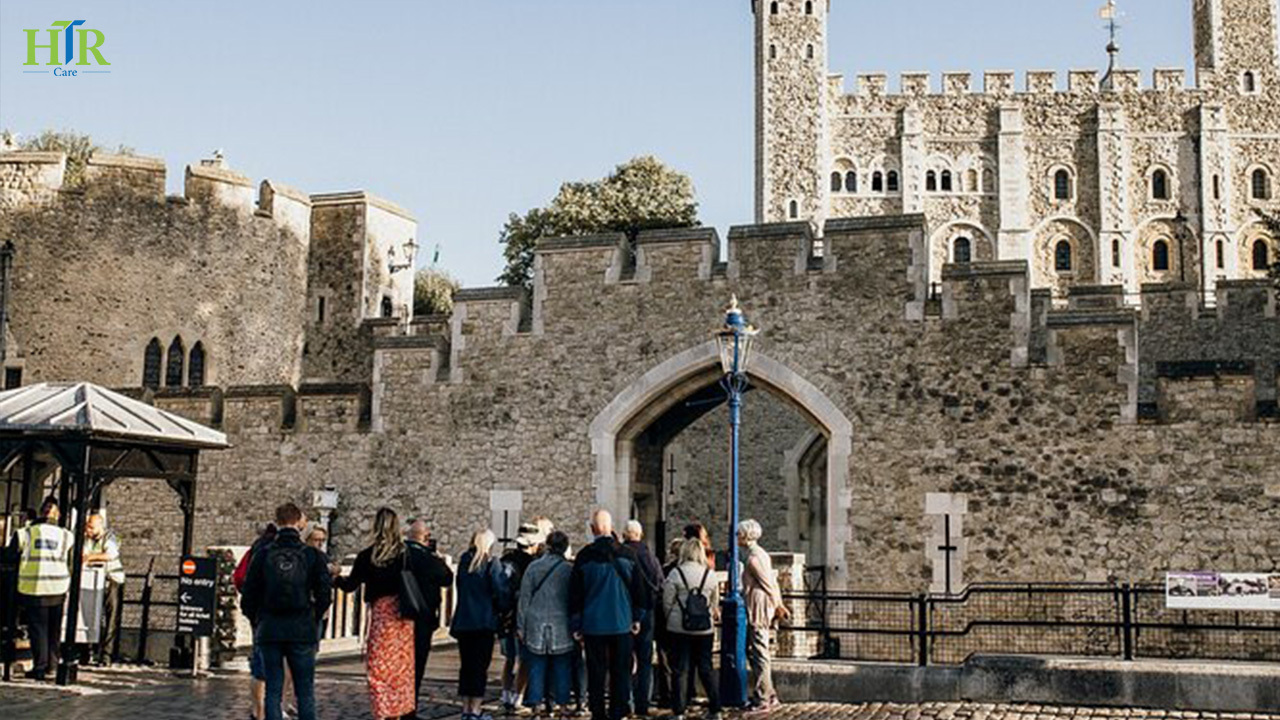
The Tower of London is a Norman fortress built by William the Conqueror, dating back to 1078, and home to the Crown Jewels. Standard adult admission costs £37.00 (or £40.70 with a voluntary donation), with reduced rates for seniors aged 65+ at £29.50 and free entry for a disabled visitor's carer or companion. The site includes cobbled surfaces, stairs, and spiral staircases with limited wheelchair access, so family carers bringing an elderly parent may want to check the Tower's accessibility page before visiting.
2. Explore Westminster Abbey

Westminster Abbey is the coronation church of English and British monarchs, with services held here since 1066. Standard adult admission is £31, reduced to £27.13 during the Great British Summer Savings period running to 1 September 2026, with free entry for a registered disabled visitor and their essential companion. The Abbey includes the Cloisters, Chapter House, and Poets' Corner, giving family carers and elderly parents a full but manageable route through the building.
3. Explore the Historic Warship HMS Belfast

HMS Belfast is a former Royal Navy warship launched in 1938 and now moored on the Thames near Tower Bridge as part of the Imperial War Museum. Entry is free for children under five and for a carer accompanying a disabled visitor, according to the official IWM site. The ship's nine decks are linked by narrow stairways, and step-free access is not available on every deck, so it's worth checking accessibility details in advance for an elderly parent.
4. Discover St Paul's Cathedral

St Paul's Cathedral, designed by Sir Christopher Wren and completed in 1710, is a working Anglican cathedral open for sightseeing Monday to Saturday. Standard adult admission is £27, reduced to £24 during the current Great British Summer Savings period, with free entry for a disabled visitor and their accompanying carer, per the official St Paul's Cathedral site. The lift between the Cathedral floor and the Crypt is currently out of service, which is worth noting for family carers planning a visit with an elderly parent.
5. Tour Shakespeare's Globe Theatre
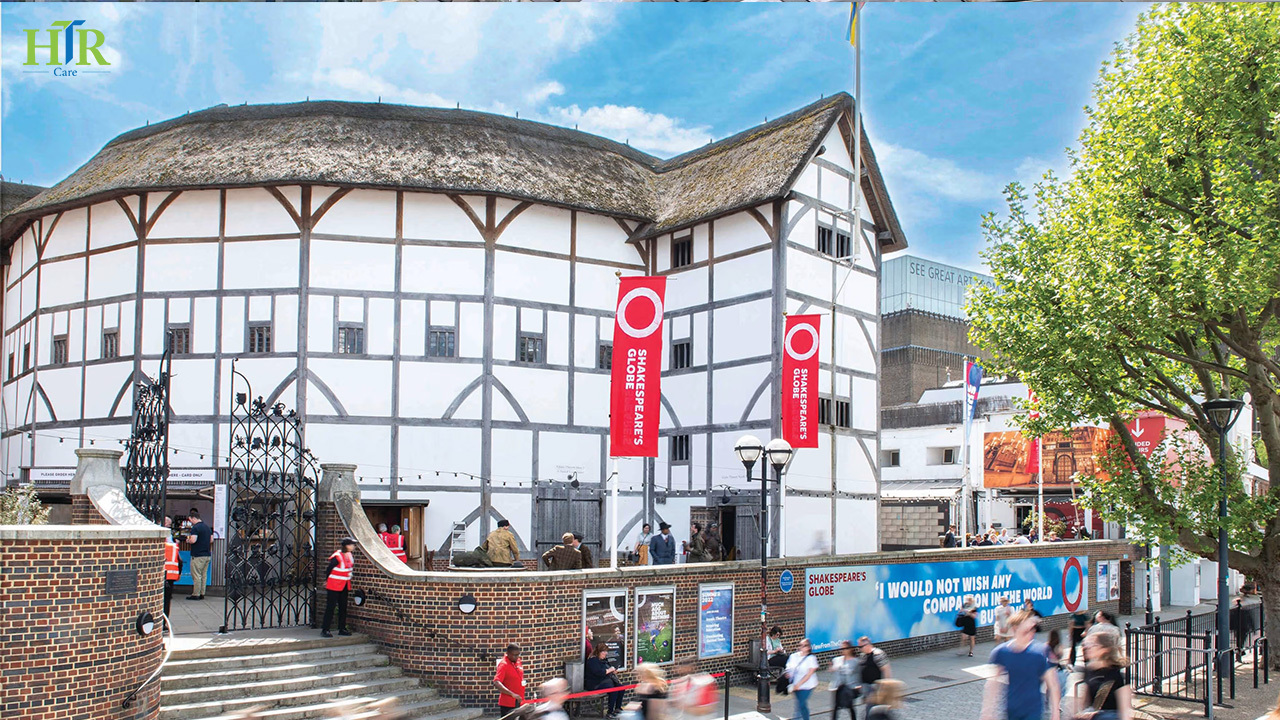
Shakespeare's Globe is a faithful reconstruction of the open-air Elizabethan playhouse where Shakespeare's plays were originally performed from 1599, rebuilt on Bankside and reopened in 1997. The Globe Theatre Guided Tour runs around 50 minutes, and is wheelchair accessible throughout. Visitors should note the tour and yard areas are open-air, so it's worth checking the weather and bringing appropriate clothing when visiting with an elderly parent.
What Should You Know Before Exploring London?
A few practical steps make a day in London easier to plan around, especially with a full itinerary or an elderly parent in tow:
Plan your route before travelling: Map out your stops in advance using TfL's Journey Planner, since central London attractions can be a 20–40 minute walk or a few Tube stops apart. Grouping nearby sights, such as Big Ben, Westminster Abbey, and the London Eye, cuts down on unnecessary backtracking.
Use the Underground, buses, trains or the Elizabeth line: The Tube and Elizabeth line are usually the fastest way across central London, while buses give step-free access and street-level views at a slower pace. A contactless card or Oyster card covers all four, with daily fare caps applied automatically.
Check attraction opening times before visiting: Many landmarks, including Westminster Abbey and St Paul's Cathedral, have restricted or no visitor access on Sundays and during services. Checking the official site the day before avoids arriving at a closed or ticketed-out attraction.
Wear comfortable shoes: Central London involves cobbled streets, stairs, and long stretches of walking between sights, particularly around the Tower of London and the South Bank. Flat, supportive footwear makes a full day noticeably easier.
Keep your phone, wallet and valuables secure in crowded places: Tourist areas such as Camden Market and the South Bank draw dense crowds where pickpocketing is more common. Keeping bags zipped and valuables in a front pocket or cross-body bag reduces the risk.
When Is the Best Time to Visit London?
The best time to visit London is May to September, when temperatures average around 17–23°C and daylight extends to roughly 16 hours in June, making outdoor sightseeing easier, though showers are possible year-round. Winter daytime highs average around 7–8°C between December and February, with occasional light snow that is usually brief and rarely settles. Weekends tend to be busier at major landmarks and central areas, while weekdays, particularly Tuesday to Thursday, generally see lighter leisure traffic. Late spring and summer are typically identified as the peak period for international visitors, aligning with observed visitor peaks between June and September, while domestic and UK day-trippers generally have more flexibility to visit midweek and avoid weekend crowds.
Which Places Can Family Carers Visit in London?
Family carers exploring London with an elderly parent have a range of accessible options, from flat, paved routes through Hyde Park and the British Museum to lift access at Sky Garden and the London Eye's step-free, seated capsules. Level walkways at Tower Bridge and free carer or companion tickets at the Tower of London, Westminster Abbey, HMS Belfast, and St Paul's Cathedral make it easier to plan a day around an elderly parent's mobility needs without added cost. Quieter midweek visits, particularly Tuesday to Thursday mornings, also help avoid the crowds and queues that can make a day out more tiring. For days when a family carer wants to explore London alone, or simply take a break, they can arrange a respite carer from a local provider like HTR Care to look after their elderly parent for a few hours or the full day.
Can You Arrange Respite Care for Your Elderly Parents While You Explore London?
Yes, family carers can arrange respite care for an elderly parent while they explore London, whether for a single day out or a longer break. Respite care covers a trained carer stepping in temporarily, either visiting for set hours, staying overnight, or covering a full day, so the usual family carer can visit London's landmarks without leaving their parents unsupported. For situations where a family carer is away for several days or longer, live-in care in London places a carer in the parent's home around the clock, which suits parents who need continuous support, have dementia, or are otherwise unsettled by a change of environment. Booking respite care in advance, particularly around weekends or school holidays when demand is higher, helps make sure cover is confirmed before the trip.
What Should You Know Before Arranging Respite Care in London?
Arranging respite care in London involves a few practical checks before booking, from confirming a provider's credentials to setting up the right type of cover for your parent's needs.
Check the provider is CQC-registered: All home care and respite care providers in England must be registered with the Care Quality Commission, so checking a provider's CQC rating and latest inspection report confirms it meets required care standards.
Decide on the type of respite care needed: Options range from a few hours of daytime cover to overnight stays or full live-in respite care, depending on how long you'll be away and how much support your parent needs.
Arrange an assessment before booking: Most providers carry out a care needs assessment first, covering mobility, medication, dietary needs, and daily routines, so the respite carer can follow a consistent plan.
Book with enough notice: Respite care slots, particularly weekends and school holidays, can fill up quickly, so confirming a booking a few weeks in advance helps secure the right carer and dates.
Check funding and costs: Respite care can be self-funded or, depending on a local authority needs assessment, partly funded through the council, so it's worth checking eligibility for financial support before booking.
Share a clear handover plan: Providing the respite carer with emergency contacts, medication schedules, and your parent's preferences in writing helps keep care consistent while you're away.
What Are the Best Cities Near London?
London sits within easy reach of several major UK cities. Oxford (51 miles, ~1 hour by train) and Cambridge (49 miles, ~1 hour by train) offer historic university towns, while Brighton (47 miles, ~1 hour by train) has a coastal seafront and Bath (100 miles, ~1.5 hours by train) is known for its Roman Baths and Georgian architecture. Further north, Birmingham (101 miles, ~1 hour 16 minutes by train) and Manchester (163 miles, ~2 hours 6 minutes by train) round out the best-connected city options for a day trip or longer stay.
Oxford: About 51 miles northwest of London, reachable by train in around 1 hour, known for its historic university colleges and the Bodleian Library.
Cambridge: About 49 miles northeast of London, with a direct train taking roughly 1 hour to 1 hour 16 minutes, home to another of England's oldest universities and the River Cam.
Brighton: About 47 miles south of London on the coast, around 1 hour by train, known for its seafront, pier, and Royal Pavilion.
Bath: A UNESCO World Heritage city roughly 100 miles west of London, reachable by train in about 1 hour 30 minutes, known for its Roman Baths and Georgian architecture.
Birmingham: England's second-largest city, about 101 miles northwest of London, with a fastest train time of around 1 hour 16 minutes from London Euston.
Manchester: About 163 miles northwest of London, with the fastest direct train taking around 2 hours 6 minutes from London Euston, known for its museums, music scene, and football clubs.

About Meena Pradhan
Care Coordinator/Senior Field Supervisor